

Black Americans in AI: 15 Innovators Shaping the Future of Technology

Share
Artificial intelligence is changing the way people work, communicate, create, and solve problems. From generative AI to machine learning and automated systems, technology is becoming an increasingly important part of everyday life.
Behind this transformation are innovators working to make AI more powerful, useful, and responsible.
Black Americans are contributing to this revolution as researchers, engineers, entrepreneurs, educators, and advocates. Their work is also helping address an important challenge in technology: ensuring that the future of AI represents and serves diverse communities.
Here are 15 Black innovators and technology leaders worth knowing.
1. Dr. Joy Buolamwini
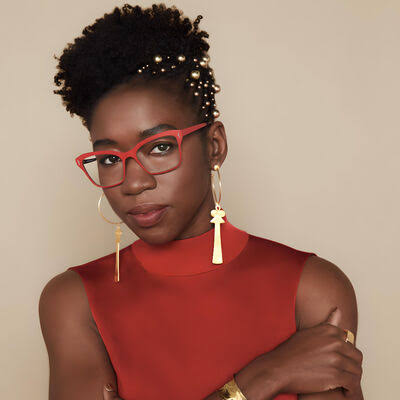
Founder of the Algorithmic Justice League, Joy Buolamwini is internationally recognized for exposing racial and gender bias in facial-recognition technology. Her work has made AI fairness and accountability major topics in the technology industry.
2. Dr. Timnit Gebru
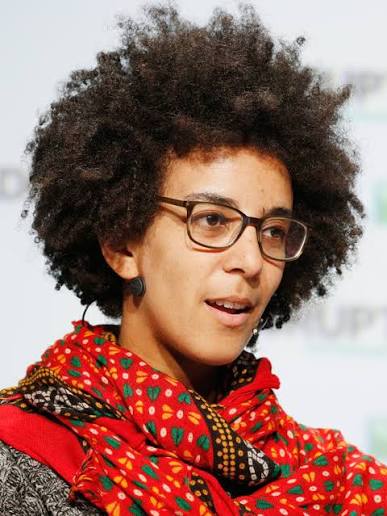
A leading AI ethics researcher, Timnit Gebru has studied the social and environmental consequences of artificial intelligence. She founded the Distributed AI Research Institute (DAIR), which focuses on independent research into AI and its effects on society.
3. Dr. Inioluwa Deborah Raji

Raji is known for her work on algorithmic auditing and AI accountability. Her research examines how automated systems can be evaluated for bias, reliability, and potential harm.
4. Dr. Rediet Abebe
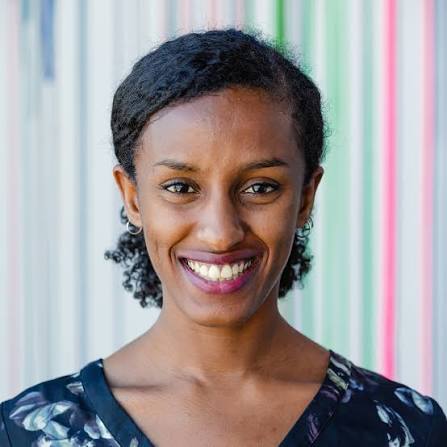
A computer scientist and co-founder of Black in AI, Rediet Abebe has worked at the intersection of algorithms, inequality, and social justice. Her research explores how technology can be designed to address real-world social challenges.
5. Dr. Safiya Umoja Noble

Safiya Noble is a scholar whose research examines how algorithms can reinforce racism, sexism, and inequality. Her influential work has helped people understand that search engines and other digital systems are not always neutral.
6. Dr. Ruha Benjamin
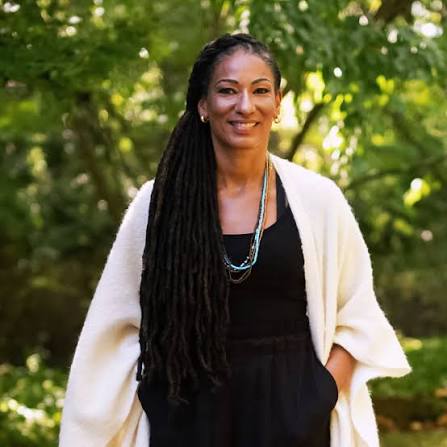
A professor and author, Ruha Benjamin studies the relationship between technology, race, and inequality. Her work challenges society to think critically about how emerging technologies can either reproduce existing inequalities or help create a fairer future.
7. Dr. Arvind Narayanan’s AI Research Collaborators
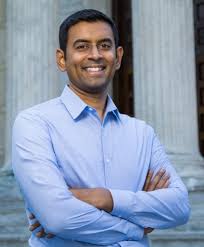
Black researchers working alongside leading AI scientists are increasingly contributing to discussions around AI safety, algorithmic accountability, and responsible technology.
This growing community is important because AI development requires perspectives from people with different backgrounds and experiences.
8. Dr. Suresh Venkatasubramanian
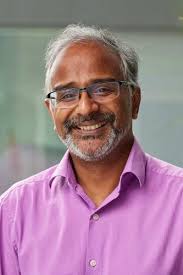
Venkatasubramanian has contributed significantly to conversations around algorithmic fairness and technology policy. His work demonstrates the growing connection between AI development, civil rights, and public policy.
9. Dr. Mar Hicks

Mar Hicks is a technology historian whose research examines the history of computing, gender, labor, and inequality. Understanding technology’s past can help developers and policymakers make better decisions about its future.
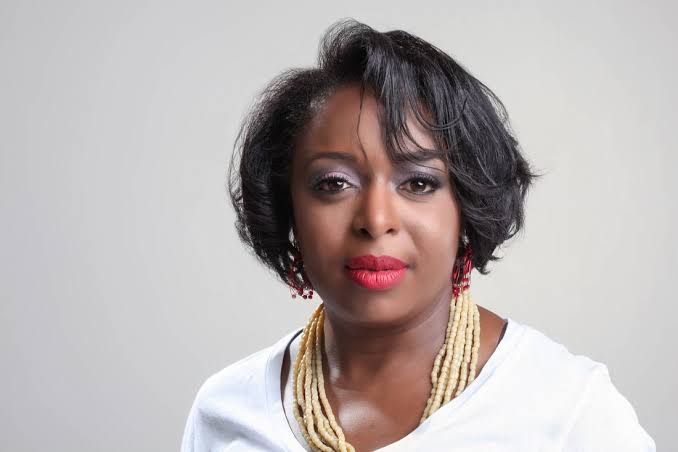
10. Kimberly Bryant

Kimberly Bryant founded Black Girls CODE to introduce young Black girls to computer programming and technology.
Her work is especially important for AI because today’s students can become tomorrow’s AI researchers, engineers, founders, and technology leaders.
11. Angel Bush

Angel Bush founded Black Women in Artificial Intelligence, an initiative focused on increasing the participation and visibility of Black women in the AI industry.
Her work highlights the importance of creating pathways for Black women to participate in the development and leadership of emerging technologies.
12. Dr. Ayanna Howard

Ayanna Howard is a roboticist, entrepreneur, and educator whose work spans artificial intelligence, robotics, and human-centered technology.
She has also held leadership roles in academia and has worked to expand opportunities for students entering technology and engineering.
13. Dr. Mark Dean

Mark Dean is a legendary computer scientist and inventor whose contributions to IBM’s personal-computing technology helped shape modern computing.
Although his pioneering work predates today’s AI boom, the computing infrastructure developed over decades provides the foundation on which today’s AI systems operate.
14. Dr. James E. West

James West is an accomplished inventor and acoustical scientist best known for co-inventing the electret microphone.
His career demonstrates the long history of Black innovation in science and technology and the importance of recognizing pioneers whose inventions continue to influence modern devices.
15. The Next Generation of Black AI Innovators
Perhaps the most exciting part of the story is that these innovators are not the end of the journey.
Across universities, technology companies, startups, research organizations, and coding communities, young Black Americans are entering AI and related fields.
Organizations such as Black in AI are helping create opportunities for researchers and professionals to connect, collaborate, and advance in the field.
Why Representation in AI Matters
Artificial intelligence increasingly influences decisions involving employment, education, healthcare, finance, entertainment, and public services.
Who builds these systems matters.
A more diverse technology industry can bring different experiences and perspectives into the design, testing, and regulation of AI.
For Black communities in particular, greater representation can help ensure that technology does not simply reflect existing inequalities but becomes a tool for opportunity and progress.
The Future of AI Needs Everyone
The AI revolution is still in its early stages.
The next generation of breakthroughs may come from researchers in universities, entrepreneurs building startups, engineers developing new systems, or students discovering their passion for technology.
The contributions of Black Americans in AI demonstrate that innovation has never belonged to one group.
The future of technology is being built now—and Black innovators are helping shape what that future will become.