

Rosa Parks: The Woman Who Helped Change the Course of American History

Share
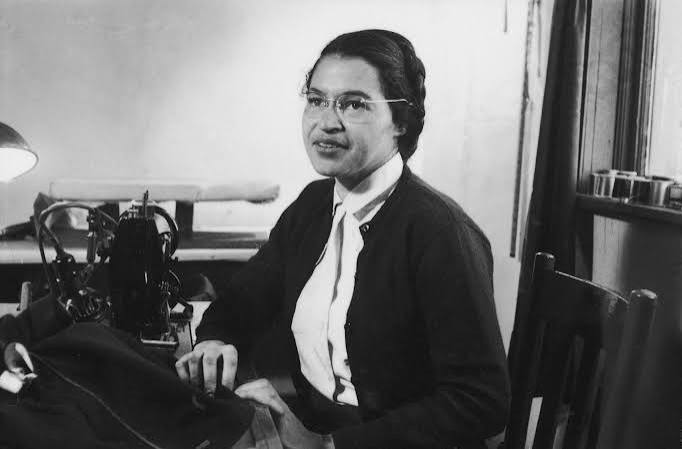
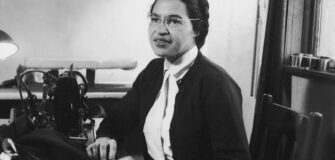
Rosa Parks is remembered around the world for a single, defiant act, refusing to give up her bus seat to a white passenger in Montgomery, Alabama. But her story is far deeper than that one moment. A lifelong activist with years of civil rights organizing behind her, Parks became a catalyst for one of the most consequential movements in American history, and her legacy continues to be honored in institutions like Google Arts & Culture as a defining figure of Black history.
Early Life and the Roots of Activism
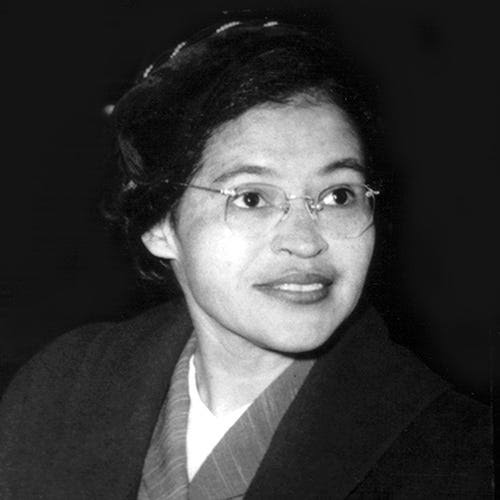
Rosa Louise McCauley was born on February 4, 1913, in Tuskegee, Alabama, and raised largely by her grandparents, who had been enslaved and instilled in her a strong sense of racial pride and self-respect from an early age. She grew up under the harsh realities of Jim Crow segregation in the rural South, experiences that shaped her lifelong commitment to justice.
In 1932, she married Raymond Parks, a barber and active member of the NAACP, who encouraged her own involvement in civil rights work. In 1943, Rosa Parks joined the Montgomery chapter of the NAACP, eventually serving as its secretary, and worked closely with chapter president E.D. Nixon investigating cases of racial violence and injustice, including sexual assaults against Black women, long before her name became known nationally.
The Day That Sparked a Movement
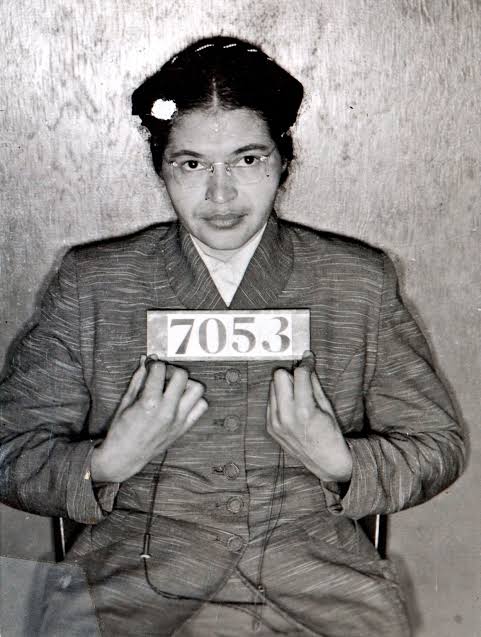
On December 1, 1955, Rosa Parks boarded a Montgomery city bus after a long day of work as a seamstress. When the driver ordered her to give up her seat in the “colored section” to make room for a white passenger, as required under the city’s segregation laws, Parks refused. She was arrested and charged with violating segregation ordinances.
Parks’s action was not impulsive; it was rooted in years of frustration with segregation and a deep understanding of the law and her rights. Her arrest galvanized Montgomery’s Black community, and within days, local leaders, including a young pastor named Martin Luther King Jr., organized a citywide boycott of the bus system.
The Montgomery Bus Boycott
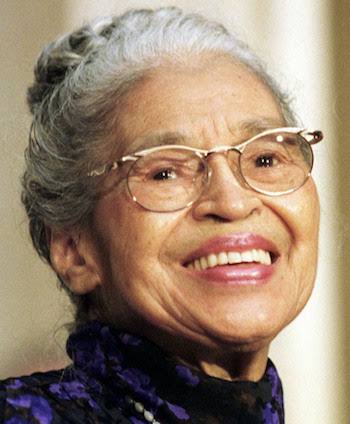
The Montgomery Bus Boycott lasted 381 days, from December 1955 to December 1956, as Black residents organized carpools, walked miles to work, and sustained an extraordinary campaign of economic and social pressure against the city’s transit system. The boycott placed enormous strain on Montgomery’s economy and drew national attention to the injustice of segregation.
The campaign ultimately succeeded when the U.S. Supreme Court ruled in Browder v. Gayle that Alabama’s bus segregation laws were unconstitutional. The victory marked one of the first major triumphs of the modern Civil Rights Movement and established the power of coordinated, nonviolent mass protest as a tool for social change.
Life After Montgomery
Despite her pivotal role, Parks and her husband faced severe economic hardship and threats in the aftermath of the boycott, ultimately relocating to Detroit, Michigan, in 1957. There, she continued her activism for decades, working for U.S. Representative John Conyers Jr. and remaining deeply involved in civil rights causes, including support for political prisoners and continued advocacy against racial injustice.
In 1987, Parks co-founded the Rosa and Raymond Parks Institute for Self Development, an organization dedicated to educating and empowering young people, reflecting her lifelong belief that the fight for equality depended on investing in future generations.
Honors and Lasting Legacy
Rosa Parks received numerous honors throughout her later life, including the Presidential Medal of Freedom in 1996 and the Congressional Gold Medal in 1999, two of the highest civilian honors in the United States. When she passed away in 2005 at the age of 92, she became the first woman in American history to lie in honor at the U.S. Capitol Rotunda, a recognition of her profound impact on the nation.
Today, Rosa Parks is remembered not simply as a woman who was tired on a particular day, but as a strategic, courageous organizer whose act of resistance became the spark for a movement that reshaped American law and society. Her story continues to be preserved and celebrated in major cultural archives, including Google Arts & Culture’s Black history collections, ensuring her legacy remains accessible to new generations.
At Black Excos, Rosa Parks stands as a powerful reminder that quiet courage, backed by conviction and purpose, can move history forward in ways that echo for generations.