

The Best HBCUs in America: 20 Historically Black Colleges to Know in 2026

Share
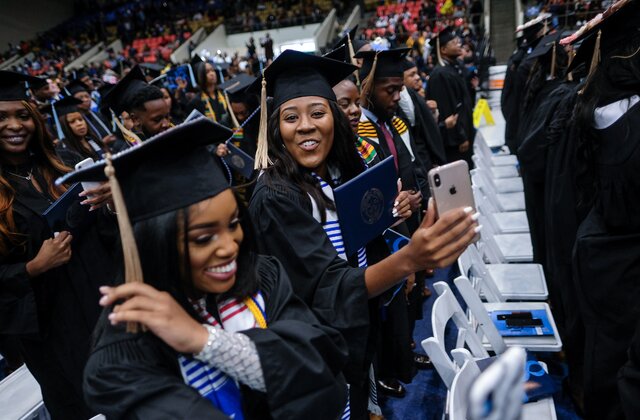
Historically Black Colleges and Universities remain some of the most important institutions in American higher education. For generations, HBCUs have educated Black doctors, lawyers, educators, scientists, entrepreneurs, entertainers, politicians and community leaders while creating spaces where Black students can pursue academic excellence and develop a strong sense of identity and purpose.
Today, HBCUs continue to play a major role in American higher education. The U.S. Department of Education defines an HBCU as an institution established before 1964 whose principal mission was, and remains, the education of Black Americans and that meets federal accreditation requirements. HBCUs are open to students of all races.
There are more than 100 HBCUs across the United States and the U.S. Virgin Islands, ranging from major research universities and four-year institutions to smaller colleges and community colleges.
Choosing the best HBCU depends on what a student is looking for. Academic programs, research opportunities, campus culture, location, affordability, athletics, career preparation and alumni networks can all make a difference.
Here are 20 HBCUs that stand out for their history, academic reputation, research activity, leadership and influence in American life.
1. Howard University
Located in Washington, D.C., Howard University is one of the nation’s most prominent HBCUs and has a long history of producing influential leaders across politics, medicine, law, business, journalism and the arts.
Founded in 1867, Howard is a private, federally chartered research university with a broad range of undergraduate, graduate and professional programs. The U.S. Department of Education identifies Howard as a comprehensive, research-oriented institution and notes its federal charter dating to 1867.
Howard also holds the highest 2025 Carnegie research designation, R1, which recognizes very high levels of research spending and doctorate production.
For students seeking a major research university experience within an HBCU environment, Howard remains one of the most recognizable choices in the country.
2. Spelman College
Spelman College in Atlanta is a historically Black liberal arts college for women and is one of the best-known HBCUs in the United States.
The college has developed a strong reputation for educating women who go on to careers in medicine, law, business, education, science, politics and the arts.
Spelman’s location in Atlanta also places students in one of the nation’s most important centers of Black business, culture, entertainment and political influence.
The U.S. Department of Education’s 2025 Carnegie classifications recognize Spelman among HBCUs conducting significant research activity.
3. Morehouse College
Morehouse College, also located in Atlanta, is one of America’s most historic institutions for educating Black men.
Founded in 1867, Morehouse has produced generations of leaders in business, politics, education, religion, civil rights and entertainment.
Its alumni and historical legacy have helped make Morehouse one of the most recognizable names in American higher education.
Morehouse is also included in the U.S. Department of Education’s 2025 Research Colleges and Universities classification, reflecting research activity at the institution.
4. Florida A&M University
Florida Agricultural and Mechanical University, commonly known as FAMU, is one of the country’s leading public HBCUs.
Located in Tallahassee, Florida, FAMU offers programs across areas including business, engineering, agriculture, pharmacy, education and the sciences.
Its size, academic offerings, research activity and longstanding national reputation have made FAMU an important destination for students seeking a large public university experience at an HBCU.
The U.S. Department of Education placed FAMU in the R2 research category in its 2025 Carnegie classifications.
5. Hampton University
Hampton University in Virginia has a long history dating back to 1868.
The private university is known for its academic programs, coastal campus and extensive contributions to education, science, business and the public sector.
Hampton is also classified as an R2 research institution under the 2025 Carnegie research designations, highlighting its research activity and doctoral production.
6. North Carolina A&T State University
North Carolina A&T State University in Greensboro is one of the country’s leading public HBCUs and has a particularly strong reputation in science, technology, engineering and mathematics.
The university has played an important role in producing Black engineers, scientists, educators, entrepreneurs and professionals.
North Carolina A&T is also classified as an R2 research institution in the 2025 Carnegie classifications.
7. Tuskegee University
Tuskegee University in Alabama is one of the most historically significant HBCUs in America.
Founded in 1881, the university is closely associated with Booker T. Washington and has played an important role in Black education, agriculture, science and professional development.
Tuskegee has also developed notable programs in areas including engineering, veterinary medicine, business and the sciences.
The university is included among HBCUs recognized as Research Colleges and Universities in the 2025 Carnegie classifications.
8. Morgan State University
Morgan State University in Baltimore, Maryland, is a major public HBCU with a strong academic and research presence.
The university offers undergraduate and graduate programs across numerous disciplines and has become an important institution for students pursuing careers in engineering, business, education, communications, public policy and other fields.
Morgan State is classified as an R2 research institution under the 2025 Carnegie framework.
9. Prairie View A&M University
Prairie View A&M University in Texas is one of the state’s most prominent HBCUs.
The public university offers programs in agriculture, business, engineering, architecture, education, nursing and other disciplines.
Its history, academic offerings and role in educating Black professionals have made Prairie View A&M an important institution in Texas and nationally.
The university is classified as an R2 research institution in the 2025 Carnegie classifications.
10. Clark Atlanta University
Clark Atlanta University is a private research university in Atlanta formed through the consolidation of Atlanta University and Clark College.
Its location gives students access to one of the country’s largest concentrations of Black businesses, organizations, cultural institutions and professional opportunities.
Clark Atlanta is classified as an R2 research institution under the 2025 Carnegie designations.
11. Jackson State University
Jackson State University is a major public HBCU in Mississippi.
The university offers programs across business, education, science, engineering, health and the arts and has a significant role in Mississippi’s higher education system.
Jackson State is also recognized as an R2 research institution in the 2025 Carnegie classifications.
12. Texas Southern University
Texas Southern University in Houston is one of the country’s major urban HBCUs.
Its location in one of America’s largest metropolitan areas gives students opportunities to connect their education with business, government, healthcare, law and other professional fields.
Texas Southern is classified as an R2 research institution under the 2025 Carnegie system.
13. Southern University and A&M College
Southern University and A&M College in Baton Rouge, Louisiana, is a major public HBCU and the flagship institution of the Southern University System.
The university has a broad academic portfolio and a particularly strong historical role in Louisiana’s Black educational community.
Southern University is included in the 2025 R2 Carnegie research classification.
14. Tennessee State University
Tennessee State University in Nashville is a public HBCU with a long history of educating students in a wide range of professional and academic fields.
Its Nashville location provides students with access to a major American city known for healthcare, business, music, education and entrepreneurship.
Tennessee State is classified as an R2 research institution in the 2025 Carnegie classifications.
15. North Carolina Central University
North Carolina Central University in Durham is a public HBCU with a strong history in education, law, business, health and the sciences.
Its location in the Research Triangle also gives students proximity to major universities, technology companies, healthcare organizations and research institutions.
NCCU is among the HBCUs recognized for research activity in the 2025 Carnegie classifications.
16. Alabama A&M University
Alabama Agricultural and Mechanical University in Normal, Alabama, is a public HBCU with strengths across agriculture, engineering, business, education and the sciences.
The institution has a long history of preparing Black students for professional careers while contributing research and expertise to its surrounding communities.
Alabama A&M is included in the 2025 Research Colleges and Universities classification.
17. Xavier University of Louisiana
Xavier University of Louisiana in New Orleans is a private Catholic HBCU with a particularly strong reputation in science and healthcare education.
The university has historically played an important role in preparing Black students for careers in medicine, pharmacy and other health professions.
Xavier is among the HBCUs identified as Research Colleges and Universities in the 2025 Carnegie classifications.
18. Norfolk State University
Norfolk State University is a public HBCU in Norfolk, Virginia.
The university offers programs in areas including business, education, engineering, science, social sciences and the arts.
Its location in the Hampton Roads region provides students with access to a major metropolitan area with connections to government, military, healthcare, business and maritime industries.
19. Virginia State University
Virginia State University in Petersburg, Virginia, is one of the nation’s historic public HBCUs.
The university offers undergraduate and graduate programs across numerous disciplines and has played an important role in Virginia’s Black educational history.
Virginia State is classified as an R2 research institution under the 2025 Carnegie classifications.
20. Fisk University
Fisk University in Nashville, Tennessee, is one of America’s historic private HBCUs.
Founded in 1866, Fisk has a distinguished history in liberal arts education and has produced generations of scholars, educators, artists and professionals.
Its historic significance and Nashville location continue to make Fisk an important option for students interested in an HBCU education.
What Makes an HBCU One of the Best?
There is no single factor that determines the best HBCU for every student.
A college that is ideal for an engineering student may not be the best choice for someone studying journalism, medicine, business or the arts.
Students and families should consider several factors before making a decision, including academic programs, accreditation, financial aid, graduation outcomes, campus environment, location, career opportunities and available research.
The U.S. Department of Education provides resources that allow prospective students to compare colleges, examine programs and review information about accreditation and college costs.
Research strength is another important consideration. The Department of Education’s 2025 Carnegie classifications demonstrate that HBCUs are active across multiple levels of research, with Howard University receiving an R1 designation and numerous other HBCUs receiving R2 or Research College and University classifications.
Why HBCUs Still Matter in America
HBCUs are more than colleges. They are institutions deeply connected to American history and the advancement of Black communities.
For generations, these schools provided educational opportunities when many predominantly white institutions excluded or severely limited Black students.
Today, their mission has expanded alongside the country. HBCUs educate students from across the United States and around the world and contribute to research, entrepreneurship, public service, healthcare, technology and culture.
The federal government continues to maintain programs designed to strengthen HBCUs and expand their participation in federal opportunities. The White House Initiative’s FY2026 plans specifically focus on improving educational opportunities, institutional capacity and competitiveness for HBCUs.
The Future of HBCUs
The future of historically Black colleges and universities is increasingly connected to research, technology, entrepreneurship and workforce development.
Institutions such as Howard, Florida A&M, North Carolina A&T, Morgan State, Hampton, Prairie View A&M and others are expanding their research profiles while continuing the traditions that made HBCUs important to American education.
For Black students considering college, an HBCU can offer more than a degree. It can provide access to a powerful alumni network, a distinctive campus culture, professional opportunities and a community with a deep understanding of Black history and achievement.
The 20 institutions highlighted here represent only a portion of the HBCU community. The U.S. Department of Education maintains an official list of accredited HBCUs, which includes public and private four-year institutions as well as two-year colleges.
For prospective students, the best HBCU is ultimately the one that matches their academic goals, financial situation, career ambitions and personal priorities.
But across generations, one fact remains clear: HBCUs continue to be a powerful part of America’s higher education system and an important engine of Black excellence.