

NYC Releases First Citywide Racial Equity Plan to Address Disparities Affecting Black New Yorkers

Share
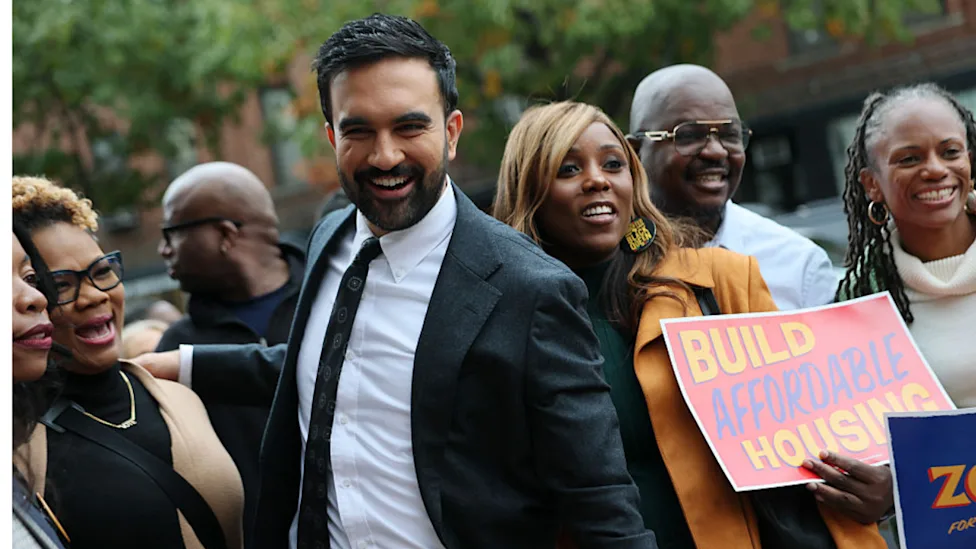
New York City has released its first-ever citywide racial equity plan, creating a government-wide framework designed to address racial disparities in areas including housing, employment, healthcare, education, infrastructure, community safety and economic opportunity.
Mayor Zohran Kwame Mamdani and the Mayor’s Office of Equity and Racial Justice announced the final Citywide Racial Equity Plan on September 1, 2026, following the release of a preliminary plan in April and a 30-day public feedback period involving residents across all five boroughs.
The plan brings together 45 city agencies and establishes eight citywide goals intended to give New Yorkers a way to track whether government policies and investments are reducing racial disparities.
The initiative is particularly significant for Black New Yorkers, who the city identifies as experiencing persistent disparities in areas including wealth, employment, health and housing.
A Citywide Approach to Racial Equity
The new plan represents the first time New York City has created a government-wide framework requiring agencies to examine how their policies, programs, services and investments affect racial outcomes.
According to the city, the plan includes more than 200 agency-level goals, more than 800 implementation strategies and approximately 600 indicators that will be used to measure progress.
The framework covers seven broad areas of city government, including children and families, the economy, housing, infrastructure and the environment, health and wellbeing, community safety and rights, and good governance and inclusive decision-making.
The final plan also establishes eight citywide goals focused on conditions affecting New Yorkers across multiple areas of government.
Black New Yorkers and the City’s Racial Wealth Gap
One of the issues highlighted by the city’s racial equity work is the substantial wealth gap between Black and white New Yorkers.
The preliminary plan released in April reported that the median household net worth of white New Yorkers was approximately $276,900, compared with $18,870 for Black New Yorkers.
The city has connected these disparities to longstanding differences in access to homeownership, employment opportunities, healthcare and investment.
The final plan is designed to address such disparities through changes in government decision-making, resource allocation, service delivery and accountability.
Employment Is Another Major Focus
Employment disparities are also identified in the plan.
The final racial equity report says citywide unemployment is 5.2%, while unemployment among Black New Yorkers stands at 8.5%, compared with 2.5% among white New Yorkers.
The city’s economic-equity approach calls for greater attention to whether economic growth is reaching communities experiencing higher unemployment.
The plan identifies discrimination, occupational segregation and systemic exclusion from economic opportunities among the factors that can contribute to unequal employment outcomes.
Among the strategies outlined by the city are efforts to expand access to capital for underserved businesses, connect residents in high-unemployment communities with quality jobs and help young people build generational wealth.
Housing and Homelessness
Housing is another major component of the racial equity plan.
The city says it intends to address racial disparities in rent burden and homelessness by increasing the production of affordable housing across New York City.
The plan also calls for racial equity considerations to be incorporated into housing proposals and investment decisions.
For Black New Yorkers, housing policy is particularly important because the city’s racial equity documents connect present-day disparities to the historical effects of redlining and exclusion from homeownership.
The city says its new framework is intended to examine not only the distribution of public resources but also how government systems and processes can contribute to unequal outcomes.
Health Disparities Remain a Concern
Health and life expectancy are also central to the plan.
The preliminary racial equity report found that Black New Yorkers had the lowest life expectancy among the racial and ethnic groups examined by the city, at 76.1 years, compared with 81.8 years for white New Yorkers.
The final plan includes health-related goals aimed at improving access to care and addressing environmental conditions that disproportionately affect communities of color.
One citywide goal is to work toward ensuring that every New Yorker has access to a primary care physician by 2034. The plan also addresses pollution from trucks and the effects of industrial and warehousing activity on communities of color.
The Plan Was Shaped by Public Feedback
The final document follows a public engagement process that began after the preliminary plan was released in April.
The Mayor’s Office of Equity and Racial Justice held engagement sessions across the five boroughs and collected written and community feedback before producing the final version.
The city says residents asked for measurable outcomes and a plan connected to the conditions people experience in their daily lives.
The final plan incorporates changes based on that feedback and information from the NYC Commission on Racial Equity.
What Happens Next?
The release of the plan is only the beginning of the process.
New York City says agencies are now expected to implement their commitments, track progress and report on results.
The plan calls for continued coordination among the 45 participating agencies and the Mayor’s Office of Equity and Racial Justice. It also calls for racial equity to be incorporated into budget and resource decisions, stronger data collection and continued community engagement.
The city also plans to refine the racial equity plan every two years, incorporating new data, lessons from implementation and continued input from New Yorkers.
That means the effectiveness of the initiative will ultimately depend on whether the goals and strategies produce measurable changes in the lives of New Yorkers.
A New Framework for New York City Government
The racial equity plan represents a significant change in how New York City says it intends to evaluate government policy.
Rather than treating racial equity as a standalone program, the city is positioning it as a framework that can influence decisions involving housing, employment, healthcare, education, infrastructure, public safety and government services.
For Black New Yorkers, the most important measure will be whether the plan helps reduce long-standing disparities in wealth, employment, housing, health and access to opportunity.
The city now has a framework, hundreds of strategies and hundreds of indicators for measuring progress.
The next challenge will be turning those commitments into results.
As New York City begins implementing its first Citywide Racial Equity Plan, residents will be watching to see whether the initiative changes how public resources are allocated and whether the disparities identified in the plan begin to narrow.