

20 Black Musicians Who Changed American Music

Share
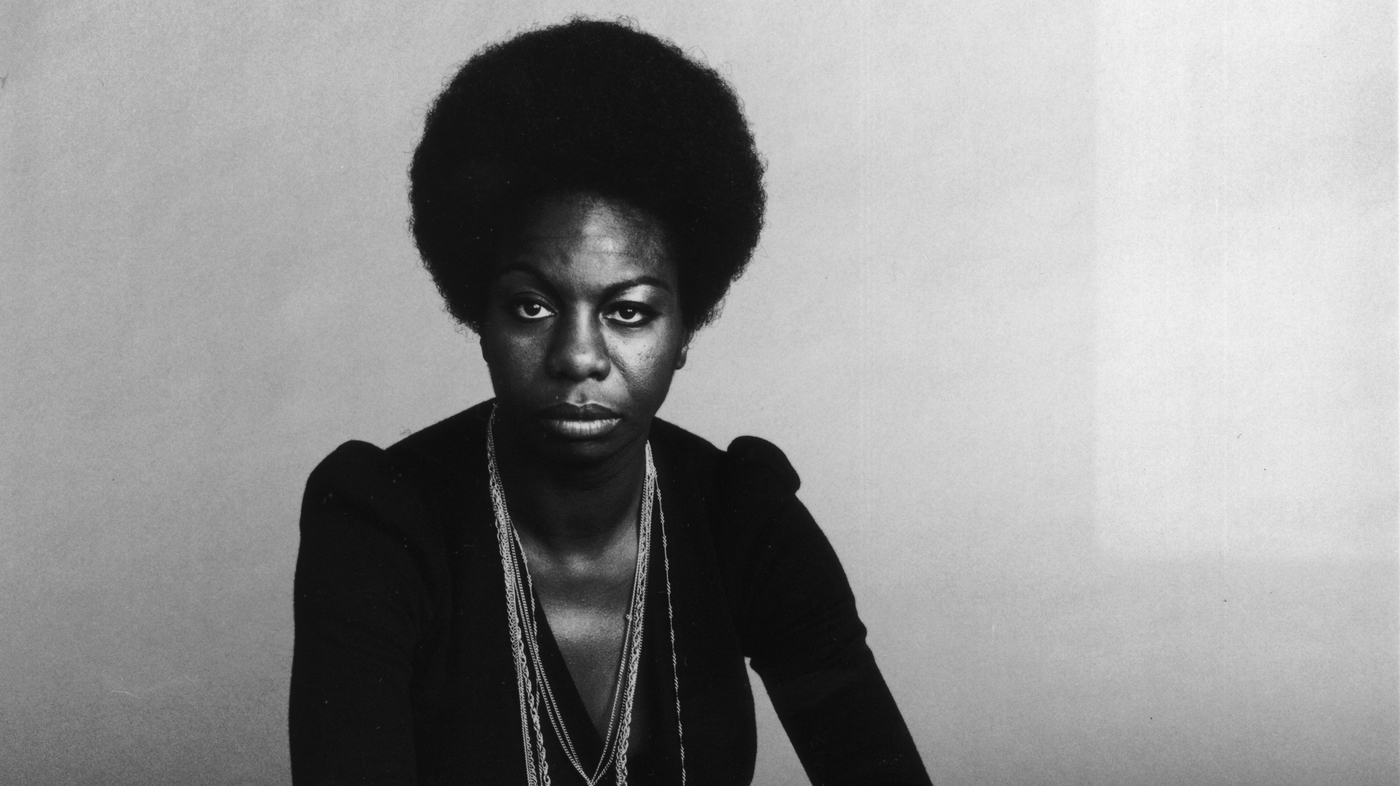
American music would sound completely different without the contributions of Black musicians.
From the blues and jazz to soul, funk, R&B, and hip-hop, Black artists have created and transformed genres that have influenced generations around the world.
Many of these musicians did more than produce hit songs. They challenged social expectations, introduced new sounds, broke barriers, and created cultural movements.
Here are 20 Black musicians who helped change American music forever.
1. Louis Armstrong

Louis Armstrong helped transform jazz from an ensemble-based style into a showcase for individual musicians and improvisation.
His distinctive trumpet playing and unmistakable voice made him one of the most influential figures in American music.
2. Duke Ellington
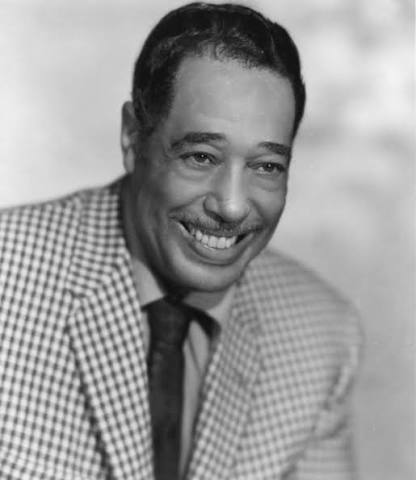
Duke Ellington was one of the greatest composers and bandleaders in jazz history.
Through his orchestra and compositions, he demonstrated that jazz could be sophisticated, innovative, and deeply expressive.
3. Bessie Smith
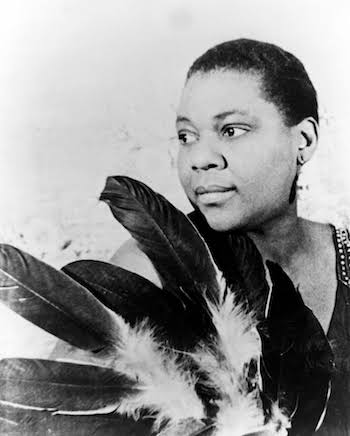
Known as the “Empress of the Blues,” Bessie Smith became one of the most influential blues singers of the 1920s.
Her powerful voice and emotional performances helped establish the blues as a major force in American popular music.
4. Billie Holiday

Billie Holiday transformed the art of vocal performance through her emotional delivery and distinctive phrasing.
Songs such as “Strange Fruit” also demonstrated how music could confront racism and social injustice.
5. Robert Johnson
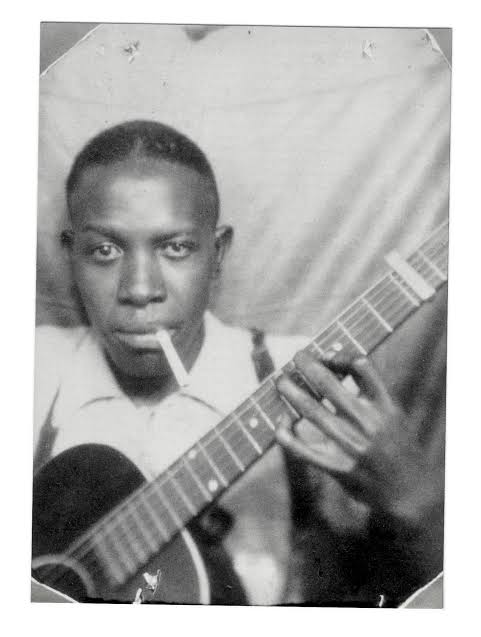
Robert Johnson became one of the most important figures in the development of the Delta blues.
Although his recorded career was short, his guitar playing and songwriting influenced generations of blues and rock musicians.
6. Ray Charles
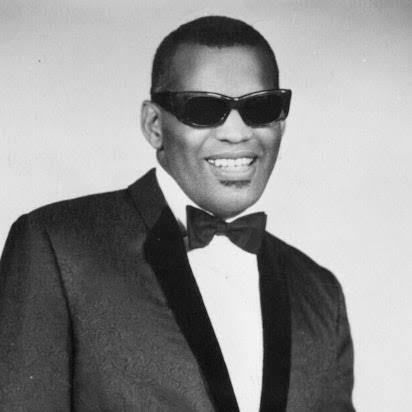
Ray Charles helped create the sound of soul by blending gospel, blues, jazz, and R&B.
His music crossed racial and musical boundaries and established him as one of America’s most important performers.
7. Aretha Franklin
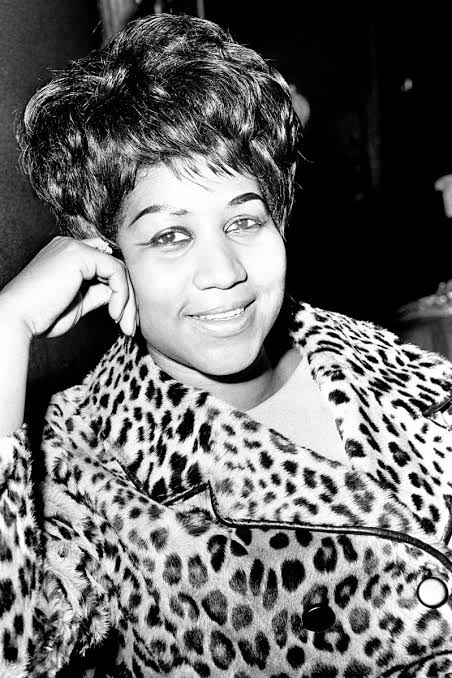
Aretha Franklin earned the title “Queen of Soul” through her extraordinary voice and emotional performances.
Her music became closely connected to Black identity, women’s empowerment, and the civil rights era.
8. James Brown
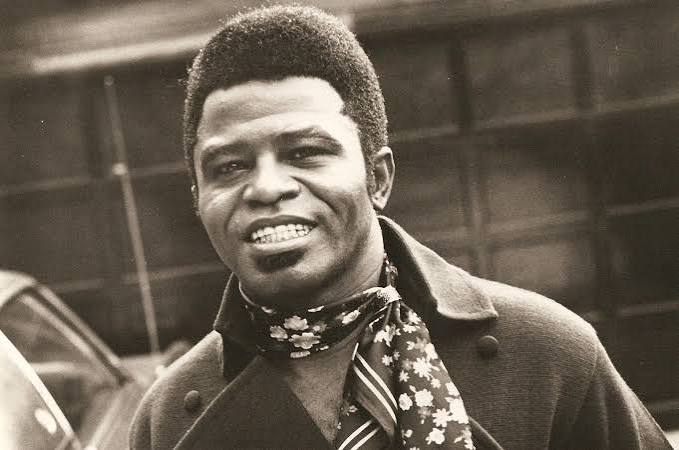
James Brown transformed rhythm and blues into funk.
His powerful performances, rhythmic innovations, and influence on dance and hip-hop earned him a central place in American music history.
9. Nina Simone
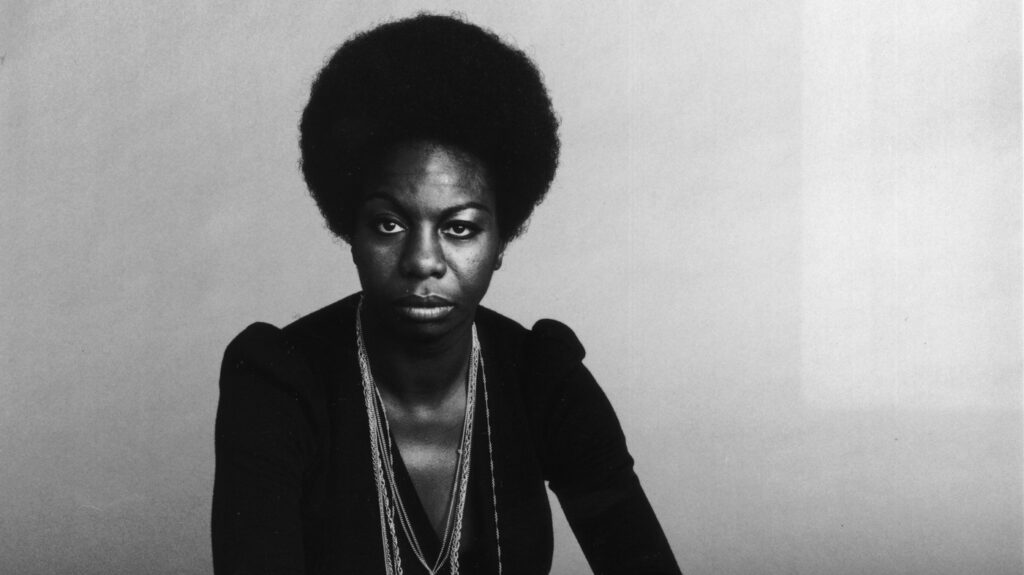
Nina Simone combined classical music, jazz, blues, gospel, and folk while using her music to address racism and civil rights.
Her work showed that a musician could be both an artist and a powerful social voice.
10. Marvin Gaye

Marvin Gaye helped redefine soul and R&B.
Albums such as What’s Going On explored war, poverty, racism, environmental concerns, and social change, proving that popular music could address serious issues.
11. Stevie Wonder
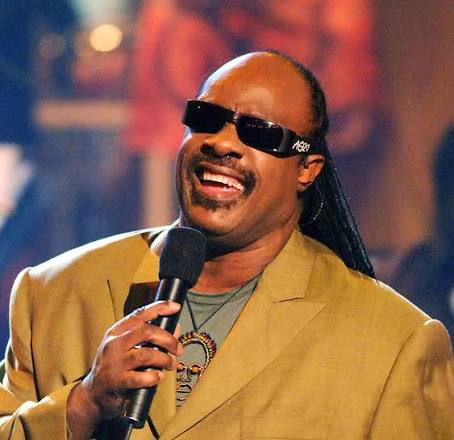
Stevie Wonder became one of the most celebrated musicians of the modern era.
His songwriting, vocals, keyboard work, and innovative use of technology helped reshape soul, R&B, and pop music.
12. Michael Jackson
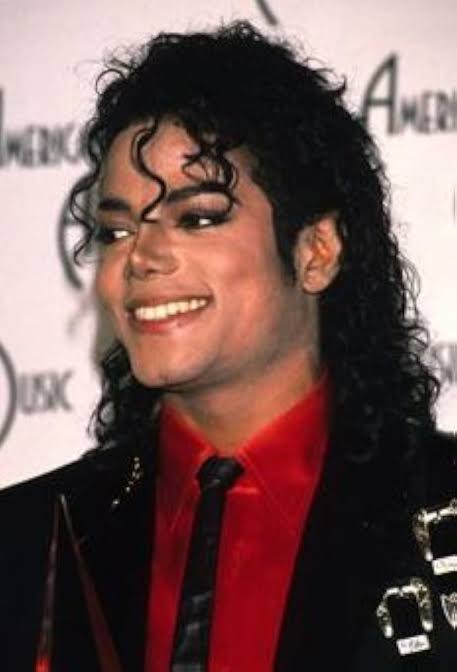
Michael Jackson became a global superstar whose influence extended across music, dance, fashion, and entertainment.
His groundbreaking music videos and performances helped change the relationship between popular music and visual entertainment.
13. Prince

Prince challenged musical and cultural conventions by blending funk, rock, R&B, pop, and soul.
His extraordinary musicianship and commitment to creative control made him one of the most influential artists of his generation.
14. Whitney Houston
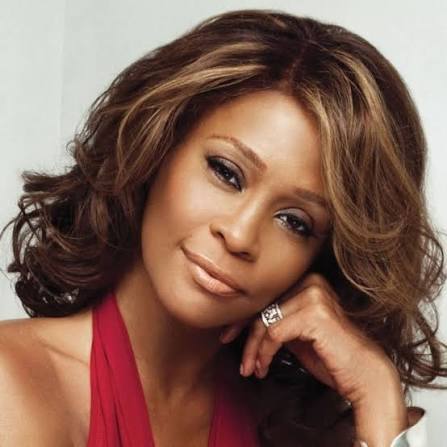
Whitney Houston possessed one of the most powerful voices in popular music.
Her success helped redefine contemporary pop and R&B while inspiring generations of singers around the world.
15. Tupac Shakur
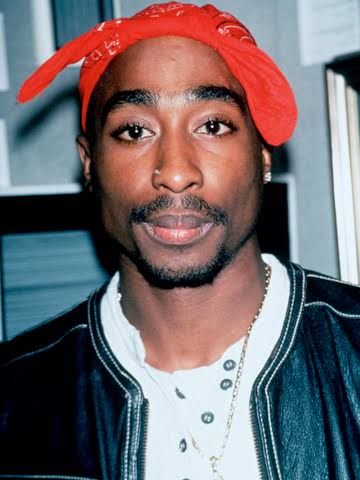
Tupac helped establish hip-hop as a powerful form of storytelling and social commentary.
His music explored poverty, racism, violence, family, identity, and life in marginalized communities.
16. The Notorious B.I.G.
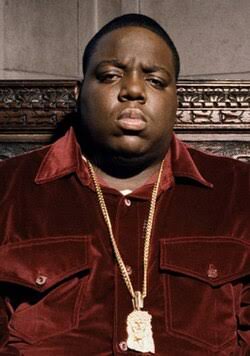
The Notorious B.I.G. became one of hip-hop’s greatest storytellers.
His distinctive flow and detailed lyrics helped establish East Coast hip-hop as a dominant force in 1990s American music.
17. Beyoncé

Beyoncé has continually reinvented herself while blending R&B, pop, hip-hop, soul, country, and other musical traditions.
Her work has also celebrated Black history, culture, identity, and creativity on a global stage.
18. Jay-Z
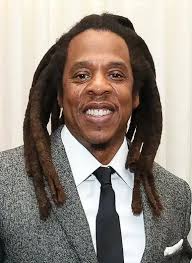
Jay-Z transformed his success as a rapper into a broader business and cultural empire.
His career helped demonstrate how hip-hop could become a pathway into entrepreneurship, entertainment, fashion, and investment.
19. Kendrick Lamar

Kendrick Lamar has pushed hip-hop toward deeper conversations about race, identity, inequality, violence, and Black American life.
His storytelling and ambitious projects have helped establish him as one of the most influential rappers of the modern era.
20. Missy Elliott

Missy Elliott changed the possibilities of hip-hop and R&B through innovative production, songwriting, visuals, and performance.
Her creativity influenced both music and music-video culture while opening doors for women in hip-hop.
The Sound of Black America
The contributions of these musicians extend far beyond individual careers.
Black musicians created and transformed some of America’s most influential musical traditions. Their innovations eventually shaped genres and artists across the world.
Blues influenced rock and roll. Jazz transformed popular music. Gospel helped shape soul and R&B. Funk influenced hip-hop. And hip-hop became one of the world’s most powerful cultural movements.
A Legacy That Continues
The story does not end with these 20 musicians.
Every generation produces Black artists who experiment with new sounds, challenge expectations, and redefine what American music can become.
From the earliest blues musicians to today’s global superstars, Black creativity has remained at the heart of American music.
Black music is not simply part of American music history—it is one of the forces that helped create it.