

15 Black Filmmakers Changing Hollywood

Share
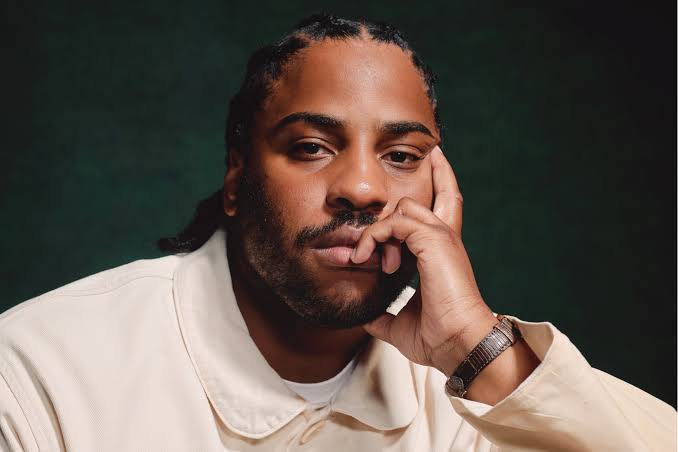
Hollywood has changed dramatically over the years, and Black filmmakers have played a major role in that transformation.
Today, Black directors, producers, writers, and creators are telling stories that challenge stereotypes, celebrate Black experiences, and reach audiences around the world.
From blockbuster films to independent cinema, these filmmakers are proving that Black stories belong at the center of the entertainment industry.
Here are 15 Black filmmakers changing Hollywood.
1. Ryan Coogler
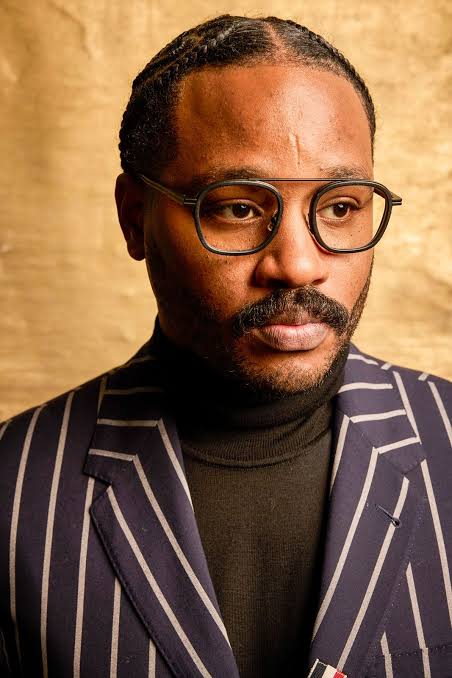
Ryan Coogler has become one of the most influential Black filmmakers of his generation.
From Fruitvale Station to Creed and Black Panther, Coogler has demonstrated his ability to combine powerful storytelling with commercial success.
His Black Panther films also showed that stories centered on Black characters and African culture could become global blockbusters.
2. Ava DuVernay
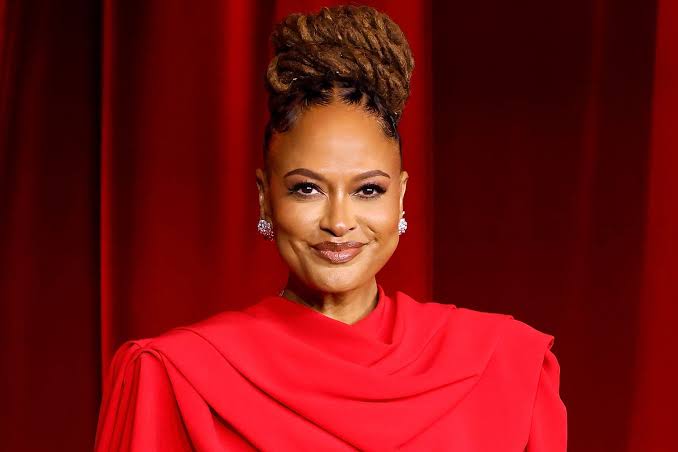
Ava DuVernay has consistently used filmmaking to tell stories about race, history, justice, and Black identity.
Her films include Selma, 13th, When They See Us, and Origin.
Through her production company and creative work, DuVernay has also helped create opportunities for other filmmakers and storytellers.
3. Jordan Peele
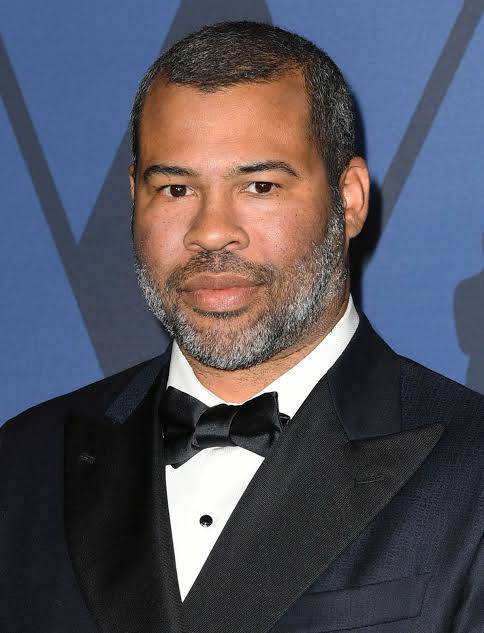
Jordan Peele changed expectations for what horror films could say about race and society.
His films Get Out, Us, and Nope combine horror with social commentary, encouraging audiences to think about racism, identity, fear, and American society.
Get Out became particularly influential for showing how genre filmmaking could address serious social issues while reaching a mainstream audience.
4. Spike Lee
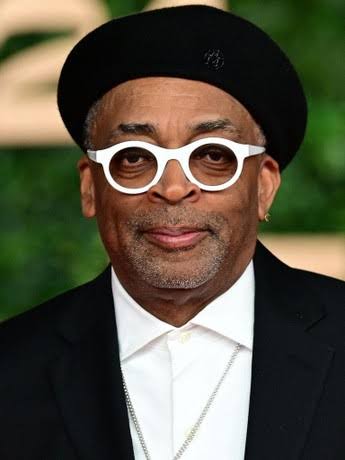
Spike Lee is one of the most influential Black filmmakers in American cinema.
For decades, his films have explored racism, politics, identity, inequality, and life in Black communities.
Movies such as Do the Right Thing, Malcolm X, and BlacKkKlansman have established Lee as both a filmmaker and cultural commentator.
5. Tyler Perry
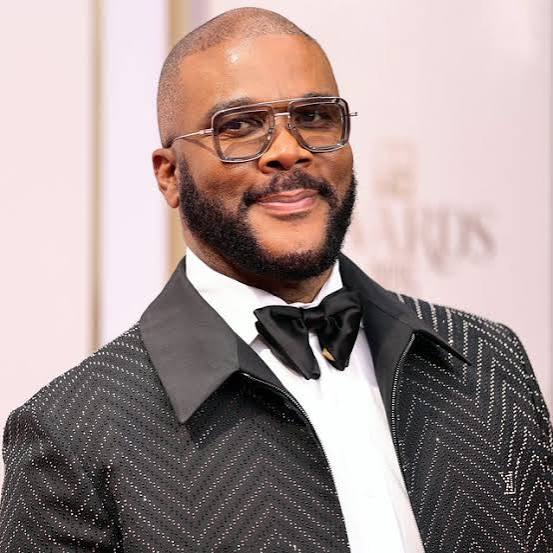
Tyler Perry has built one of the most recognizable entertainment businesses in America.
Beginning with stage productions, Perry expanded into film and television and eventually established Tyler Perry Studios.
His success has given him greater control over the stories he produces while creating work and opportunities for numerous Black performers and creatives.
6. Barry Jenkins
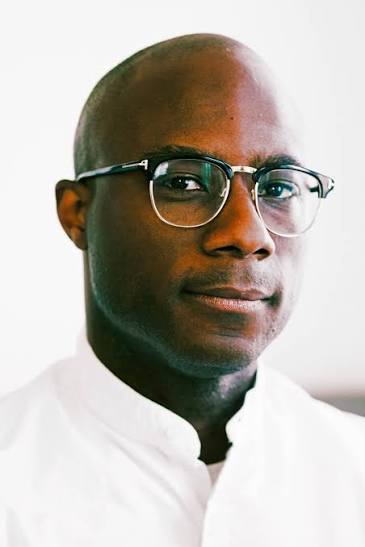
Barry Jenkins is known for creating emotionally powerful films centered on Black identity and human relationships.
His Oscar-winning film Moonlight explored masculinity, sexuality, identity, and growing up Black in America.
Jenkins has continued to work across film and television, bringing a distinctive visual and storytelling style to his projects.
7. Gina Prince-Bythewood
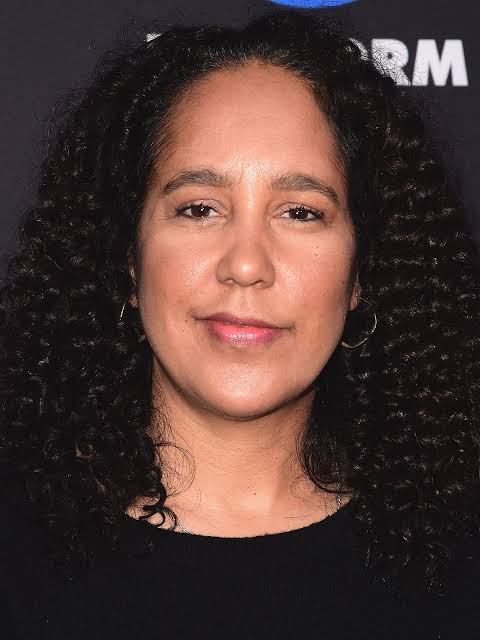
Gina Prince-Bythewood has built an impressive career as a director and screenwriter.
Her work includes Love & Basketball, The Old Guard, and The Woman King.
She has demonstrated that Black women can successfully lead major productions across different genres, from romance and drama to action and historical epics.
8. John Singleton
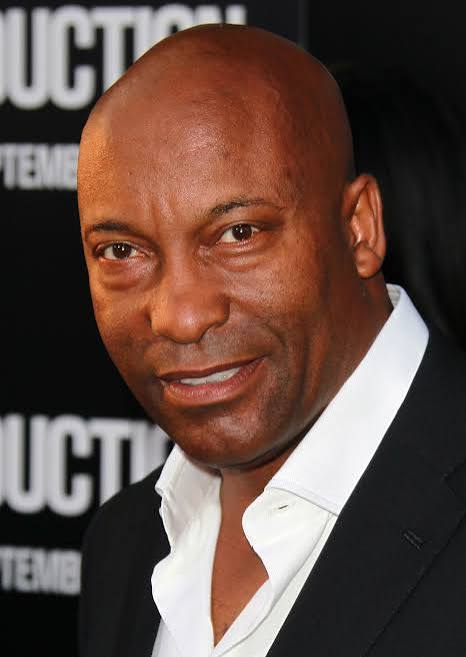
John Singleton’s influence continues to be felt throughout Hollywood.
His 1991 film Boyz n the Hood made him the youngest person ever nominated for the Academy Award for Best Director at the time and brought a powerful depiction of life in South Central Los Angeles to mainstream audiences.
Singleton opened doors for a generation of Black filmmakers who followed him.
9. Malcolm D. Lee
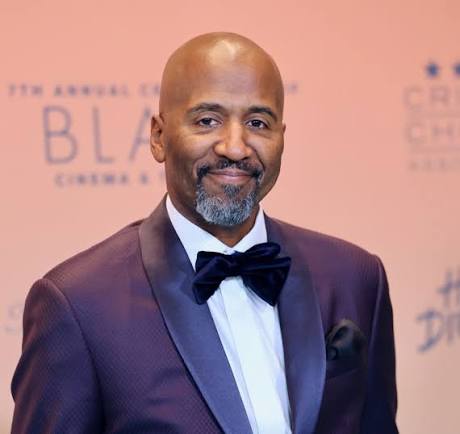
Malcolm D. Lee has become an important voice in Black comedy and mainstream entertainment.
His films include The Best Man, Girls Trip, and Space Jam: A New Legacy.
Through his work, Lee has helped demonstrate that stories featuring Black characters can succeed across different genres and audiences.
10. Nia DaCosta
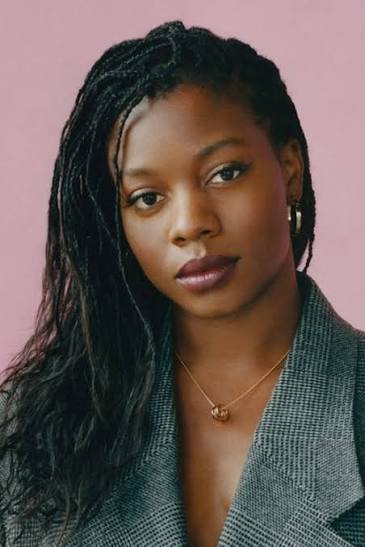
Nia DaCosta represents a younger generation of Black filmmakers making their mark on major Hollywood productions.
She directed Candyman and became the first Black woman to direct a Marvel Studios film with The Marvels.
Her career demonstrates the expanding opportunities for Black women behind the camera in blockbuster filmmaking.
11. Steve McQueen
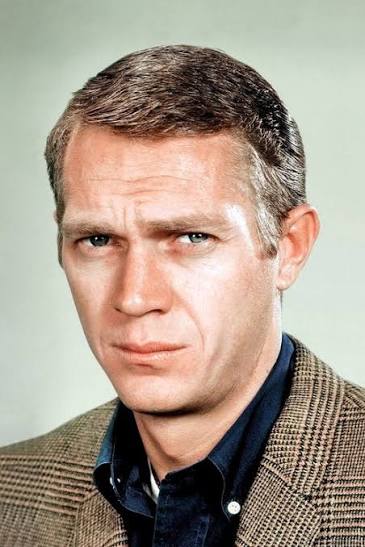
British filmmaker Steve McQueen has made a significant impact on international cinema.
His film 12 Years a Slave won the Academy Award for Best Picture and brought the brutality of American slavery to a global audience.
McQueen has also explored Black history, identity, migration, and social inequality through both film and television.
12. Lee Daniels
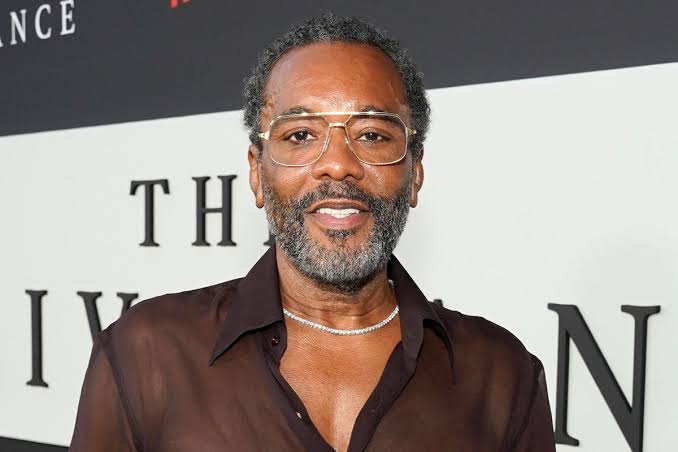
Lee Daniels has made a career out of telling stories that challenge audiences.
He directed films such as Precious and The United States vs. Billie Holiday and co-created the television series Empire.
His work has helped bring complicated Black characters and stories to mainstream audiences.
13. Malcolm Washington
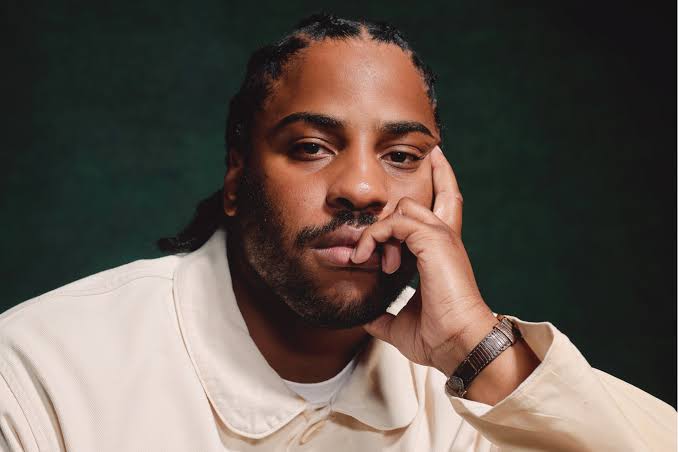
Malcolm Washington is part of a new generation of Black filmmakers emerging from a family deeply connected to Hollywood.
His directorial debut, The Piano Lesson, demonstrated his interest in adapting important Black stories for contemporary audiences.
His work represents the continuation of a filmmaking legacy while establishing his own creative voice.
14. F. Gary Gray
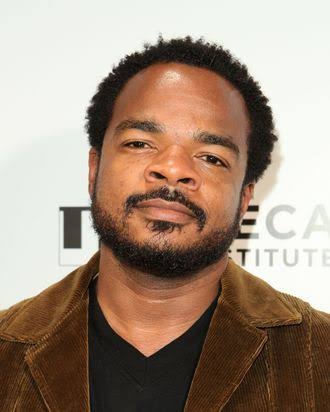
F. Gary Gray has directed films across several genres, from crime dramas and comedies to major action blockbusters.
His work includes Friday, Straight Outta Compton, The Fate of the Furious, and Men in Black: International.
Gray’s career demonstrates the ability of Black filmmakers to move successfully between culturally specific stories and massive Hollywood productions.
15. Chinonye Chukwu
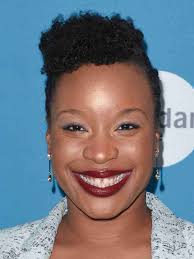
Chinonye Chukwu has become an important filmmaker known for emotionally powerful storytelling.
Her film Clemency, which won the Grand Jury Prize at Sundance, explored capital punishment and the emotional toll of the prison system.
She later directed Till, bringing the story of Mamie Till-Mobley and the murder of Emmett Till to a wider audience.
Black Filmmakers Are Changing the Industry
The influence of Black filmmakers can no longer be measured only by the number of films they direct.
They are changing which stories get told, who gets opportunities, and how Black characters and communities are represented on screen.
Some have built studios and production companies. Others have entered blockbuster filmmaking, independent cinema, television, and documentary storytelling.
Together, they are helping Hollywood move beyond limited representations of Black life.
The Future of Black Cinema
The next generation of Black filmmakers is entering an industry with more possibilities than previous generations, even though significant challenges remain.
The work of these filmmakers shows that representation behind the camera matters just as much as representation on screen.
When Black filmmakers have the opportunity to tell their own stories, audiences get to see Black life in all its complexity, creativity, struggle, beauty, and humanity.
Black filmmakers aren’t simply changing Hollywood—they are helping redefine what Hollywood can become.