

Beyoncé in 2026: Career, Music, Business and Her Lasting Impact on Black Culture

Share
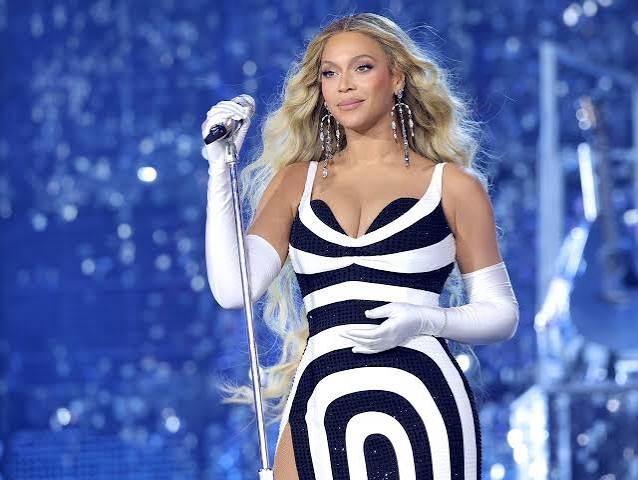
Beyoncé in 2026: More Than a Music Superstar
Few artists have had the cultural influence of Beyoncé. From her early days with Destiny’s Child to becoming one of the most successful solo artists in the world, she has built a career defined by talent, reinvention, and control over her creative vision.
In 2026, Beyoncé remains an important figure in conversations about music, Black culture, business, fashion, and representation.
Her influence goes far beyond record sales and awards. She has helped redefine what it means for a Black woman to have creative and financial control at the highest levels of the entertainment industry.
A Career Built on Reinvention
Beyoncé began her professional career as a member of Destiny’s Child before launching her solo career with Dangerously in Love in 2003.
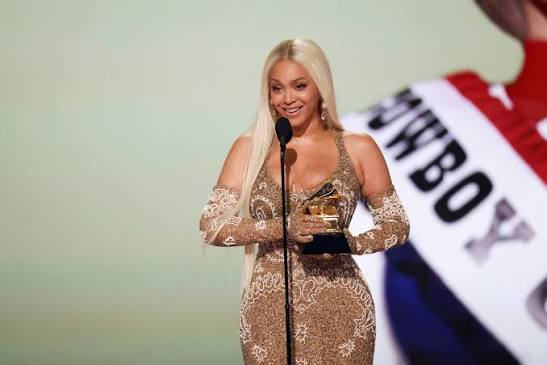
Over the years, she continued to reinvent herself through albums such as Beyoncé, Lemonade, Renaissance, and Cowboy Carter.
Her work has increasingly explored Black identity, history, womanhood, love, resilience, and musical heritage.
Her 2016 visual album Lemonade, for example, became much more than a collection of songs. Ten years after its release, its themes of race, identity, Black womanhood, and visual storytelling continue to be discussed in American culture.
Reclaiming Black Musical Heritage
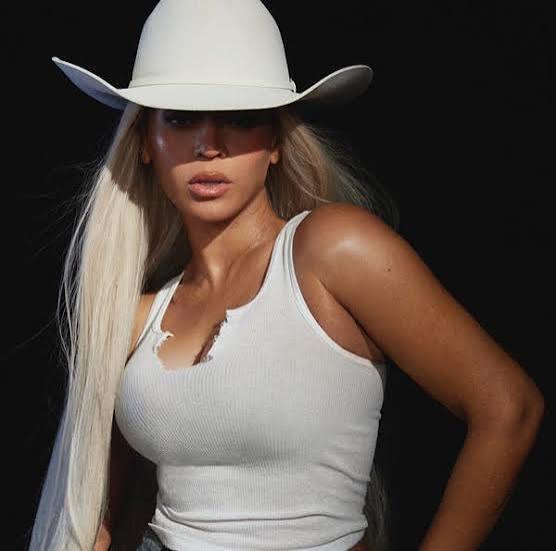
One of Beyoncé’s most significant contributions has been her willingness to explore genres with deep Black roots.
Renaissance embraced house and dance music, while Cowboy Carter explored country and Americana. Her approach has challenged assumptions about which genres Black artists belong in.
Cowboy Carter also brought renewed attention to the historical contributions of Black musicians to country music.
Her 2019 project The Lion King: The Gift further demonstrated her connection to African music and artists, bringing together performers from across Africa and helping introduce their work to wider global audiences.
Beyoncé as a Businesswoman
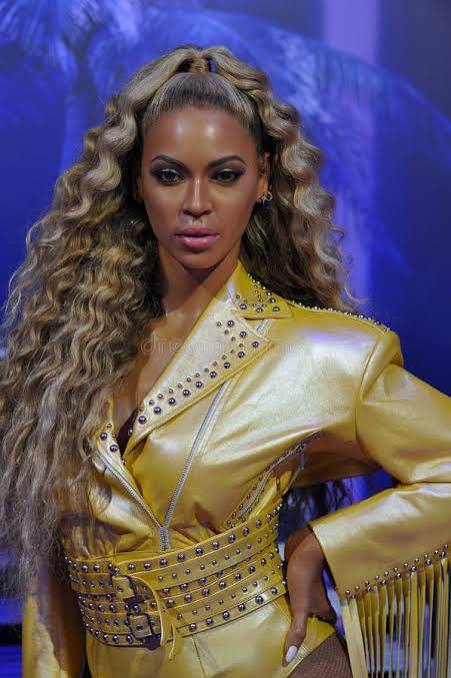
Beyoncé has also transformed herself from performer into businesswoman.
Through Parkwood Entertainment, she has been involved in music, film, production, management, and other creative ventures. Her business strategy has given her greater control over how her work is created, marketed, and presented.
In January 2026, Forbes Africa reported that Beyoncé had reached billionaire status, highlighting the scale of the business empire she has built beyond performing.
Her career demonstrates an important lesson: talent can create opportunities, but ownership and strategic decision-making can turn those opportunities into long-term influence.
Her Impact on Black Culture
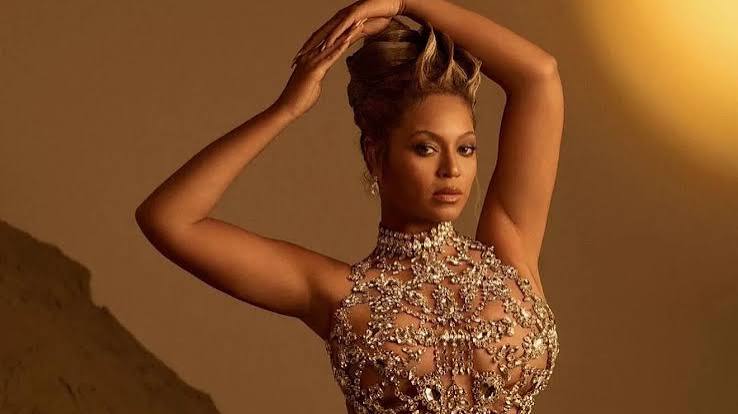
Beyoncé’s influence on Black culture is difficult to measure because it exists across so many areas.
She has celebrated Black hairstyles, fashion, Southern Black culture, African heritage, Black womanhood, and Black creativity through her music and visuals.
Songs such as “Formation” and “Black Parade” have also connected her artistic work to conversations about race, identity, and racial justice.
The Recording Academy has described her music and initiatives as ways she has celebrated and elevated the Black community.
Giving Back Through BeyGOOD
Beyoncé’s influence also extends into philanthropy.
Through her BeyGOOD foundation, she has supported education, entrepreneurship, disaster relief, and communities facing economic hardship.
In September 2026, BeyGOOD donated $200,000 to organizations supporting communities affected by flooding in Indiana, showing that her philanthropic work continues alongside her entertainment career.
A Lasting Legacy
Beyoncé’s greatest achievement may not be a particular album, award, or record.
It is the example she has created.
She has shown that a Black woman can be an artist, producer, business owner, cultural force, philanthropist, and global brand while maintaining control over her creative identity.
As Beyoncé continues her career in 2026, her influence remains larger than music. She represents ambition, excellence, creativity, ownership, and the power of using a global platform to celebrate Black culture.
Beyoncé’s story is still being written, but her impact on Black culture is already part of history.