

Harriet Tubman: The Extraordinary Life of the Woman Who Led Others to Freedom

Share
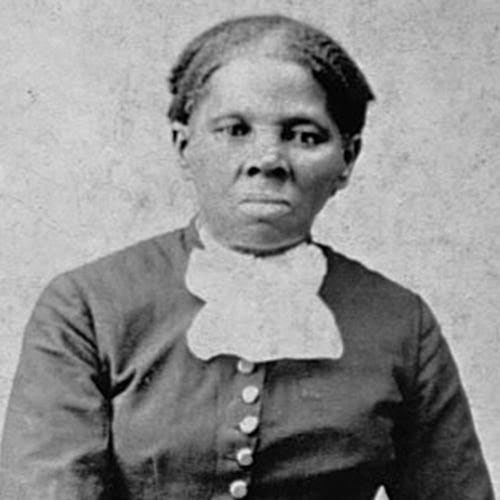
Harriet Tubman’s name has become synonymous with courage, sacrifice, and the relentless pursuit of freedom. Born into slavery and subjected to brutal violence from childhood, Tubman escaped bondage only to return again and again, risking her life to lead dozens of others out of slavery. Her story continues to be honored today, including by Google Arts & Culture, which recognizes her among its featured Black history “risk takers and history makers.”
Born Into Bondage
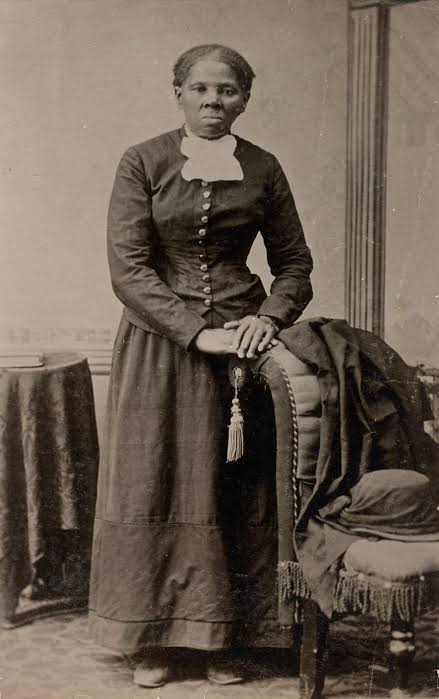
Harriet Tubman was born Araminta “Minty” Ross around 1822 on a plantation in Dorchester County, Maryland. From a young age, she was subjected to grueling forced labor and violent punishment, including a severe head injury inflicted by an overseer when she was a teenager, an injury that caused lifelong seizures, headaches, and vivid, prophetic dreams she came to interpret through her deep religious faith.
Despite these hardships, Tubman grew up strong and determined, working in the fields and developing an intimate knowledge of the Maryland countryside, skills that would later prove essential to her life’s work.
The Escape to Freedom
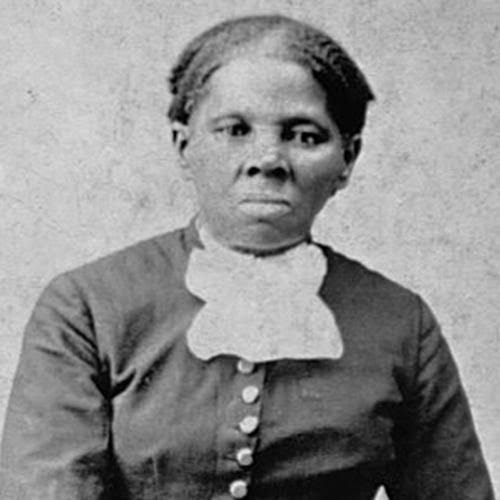
In 1849, fearing she would be sold further south, Tubman made the dangerous decision to escape slavery, traveling roughly 90 miles from Maryland to Pennsylvania largely on foot and under cover of darkness. She later described the moment of crossing into free territory as feeling as though she had entered heaven, but she quickly resolved that freedom for herself was not enough.
Conductor of the Underground Railroad
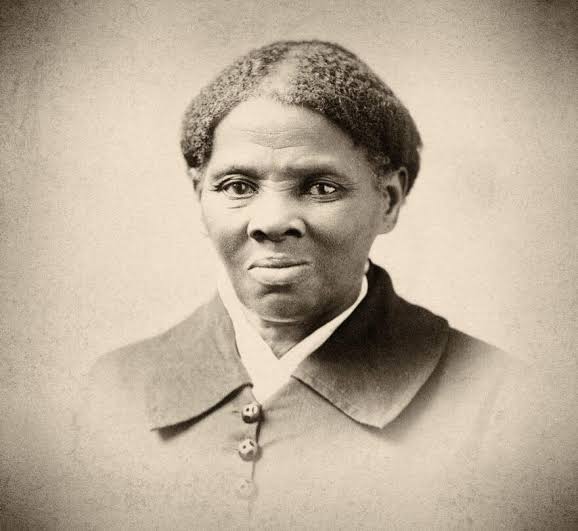
Rather than remain safely in the North, Tubman returned to the South again and again, becoming one of the most effective conductors on the Underground Railroad, the secret network of routes and safe houses used to help enslaved people escape to freedom. Over approximately a decade, she is credited with leading around 70 enslaved people, including family members, to freedom across roughly 13 rescue missions, all while evading slave catchers and navigating constant danger.
Tubman’s discipline was legendary. She carried a pistol both for protection and to encourage exhausted or fearful escapees to keep moving, famously stating that anyone who turned back would endanger the entire group. Her success earned her the nickname “Moses,” for leading her people out of bondage much as the biblical figure led the Israelites out of Egypt. Notably, despite a bounty placed on her capture, she was never caught, and she never lost a single person she was guiding to freedom.
Civil War Service
When the Civil War broke out, Tubman put her skills to use for the Union Army, working first as a cook and nurse before becoming an armed scout and spy. In 1863, she made history as the first woman to lead an armed military expedition in the United States, guiding the Combahee River Raid in South Carolina, an operation that liberated more than 700 enslaved people in a single night.
Her intelligence-gathering and knowledge of Southern terrain made her an invaluable asset to Union military operations, even though her contributions went largely unrecognized and uncompensated by the government for decades afterward.
Later Life and Advocacy
After the Civil War, Tubman settled in Auburn, New York, where she continued her advocacy for civil rights and became deeply involved in the women’s suffrage movement, working alongside prominent suffragists and speaking publicly about the intersection of racial and gender equality. Despite her extraordinary service, she faced significant financial hardship for much of her later life, and it was not until 1899 that she finally received a modest military pension.
Tubman also established the Harriet Tubman Home for the Aged in Auburn, dedicated to caring for elderly and impoverished Black Americans, a reflection of her lifelong commitment to community care that extended well beyond her Underground Railroad missions.
A Legacy That Endures
Harriet Tubman died in 1913, but her legacy as a symbol of courage, resistance, and selfless leadership has only grown in the decades since. She has been honored through numerous monuments, a national historical park bearing her name, and continued efforts to feature her on U.S. currency, recognition of her singular role in American history.
Institutions like Google Arts & Culture continue to spotlight Tubman’s story as part of the broader effort to preserve and celebrate the histories of Black Americans who risked everything for freedom, ensuring her extraordinary life remains visible to new generations.
At Black Excos, Harriet Tubman represents the highest expression of Black excellence: a woman who, having secured her own freedom, dedicated her life to ensuring that others could be free too.