

The Most Influential Black Leaders in the World in 2026

Share
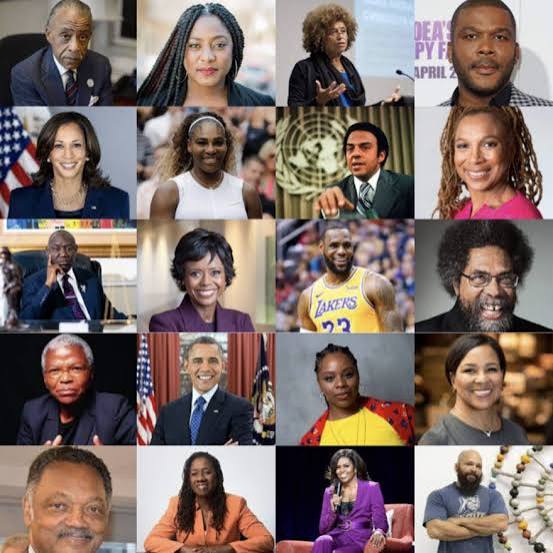
Leadership is not always about holding political office or having the biggest title. Sometimes, it is about changing the way people think, creating opportunities, challenging injustice, or opening doors for those coming behind you.
In 2026, Black leaders around the world continue to influence politics, business, entertainment, technology, sports, and social movements.
Their backgrounds are different, but they share something important: the ability to influence people and shape conversations far beyond their immediate communities.
Here are some of the Black leaders whose influence continues to stand out in 2026.
1. Barack Obama — A Global Voice for Leadership
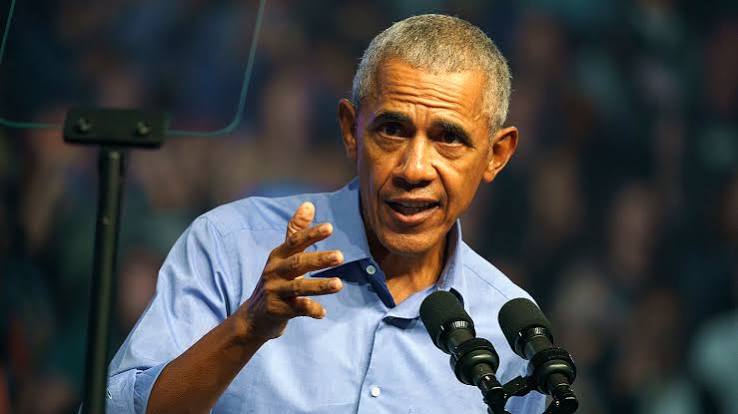
Former U.S. President Barack Obama remains one of the world’s most recognizable Black leaders.
Although he is no longer in political office, his influence continues through public speaking, philanthropy, education, and initiatives focused on developing young leaders.
His historic presidency also remains an important milestone in Black political representation.
2. Kamala Harris — Breaking Political Barriers
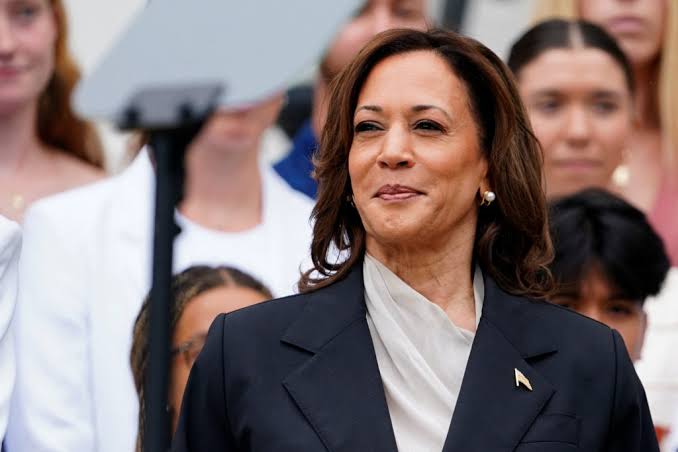
Kamala Harris remains an important figure in American political life and Black leadership.
As the first Black woman, first South Asian American, and first woman to serve as U.S. vice president, her career has opened conversations about representation and leadership in American politics.
Her influence continues through public advocacy and political engagement.
3. Oprah Winfrey — Building Influence Through Media
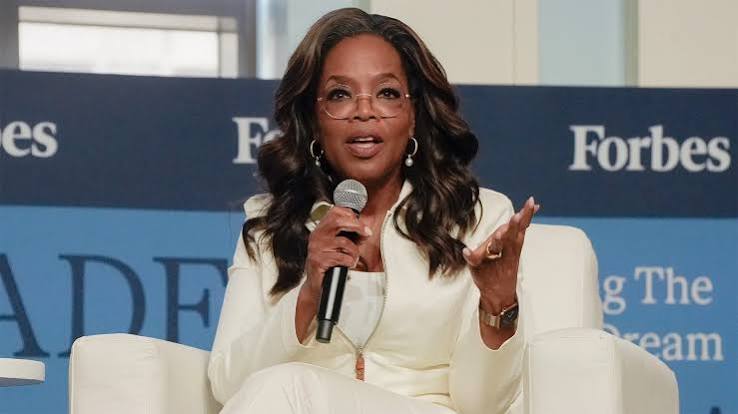
Few Black women have achieved the global cultural influence of Oprah Winfrey.
From television and publishing to philanthropy and entrepreneurship, Winfrey has built an international media empire while creating opportunities for Black voices and stories.
Her career demonstrates that influence can extend far beyond traditional positions of power.
4. Robert F. Smith — Leading Through Business and Philanthropy
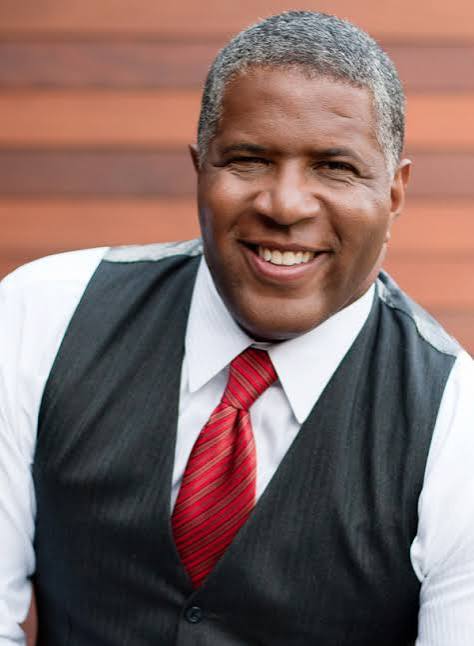
Billionaire investor and philanthropist Robert F. Smith has become one of the most influential Black figures in American business.
Through his investments and philanthropic work, he has supported education, entrepreneurship, and opportunities for Black communities.
His leadership highlights the growing importance of Black economic power.
5. Mellody Hobson — A Powerful Voice in Business
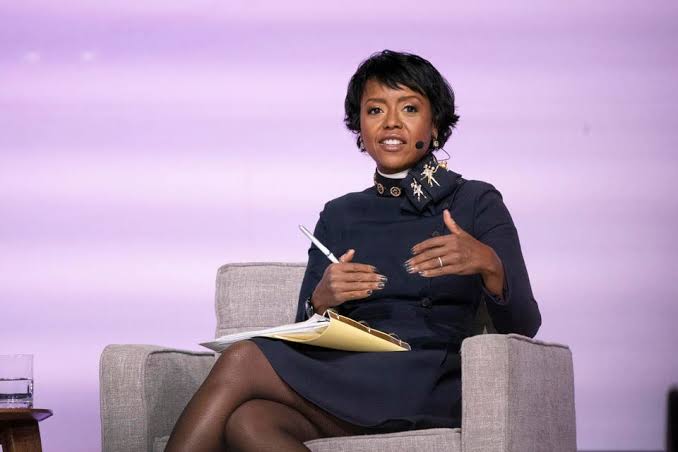
Mellody Hobson is one of America’s most prominent Black business leaders.
As an investor and corporate leader, she has spent decades advocating for financial literacy, economic inclusion, and greater representation in corporate America.
Her career has made her an important example of Black excellence in finance and business.
6. Ursula Burns — Redefining Corporate Leadership
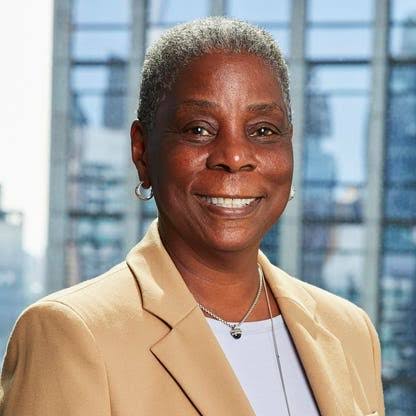
Ursula Burns made history as the first Black woman to lead a Fortune 500 company when she became CEO of Xerox.
Today, she continues to influence business, technology, education, and leadership conversations.
Her journey remains an example of what representation at the highest levels of corporate leadership can look like.
7. Ngozi Okonjo-Iweala — Influencing Global Trade
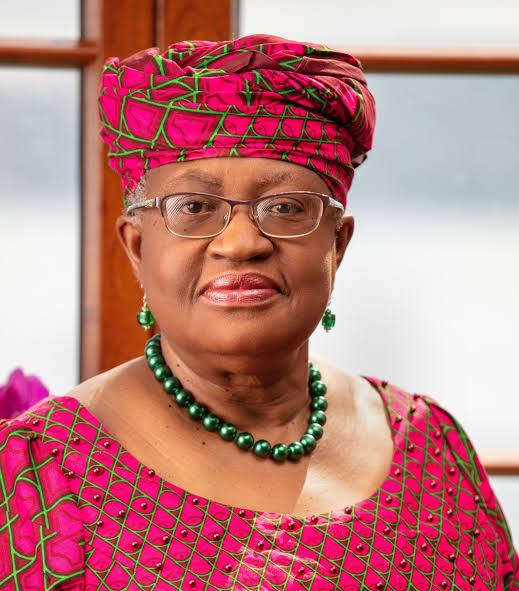
Nigerian-born Ngozi Okonjo-Iweala, Director-General of the World Trade Organization, is one of the most influential African voices in the global economic system.
Her position places her at the center of international discussions around trade, development, and economic growth.
Her career demonstrates the impact Black leaders can have on institutions that shape the global economy.
8. Patrice Motsepe — Black Leadership in Global Business and Sport
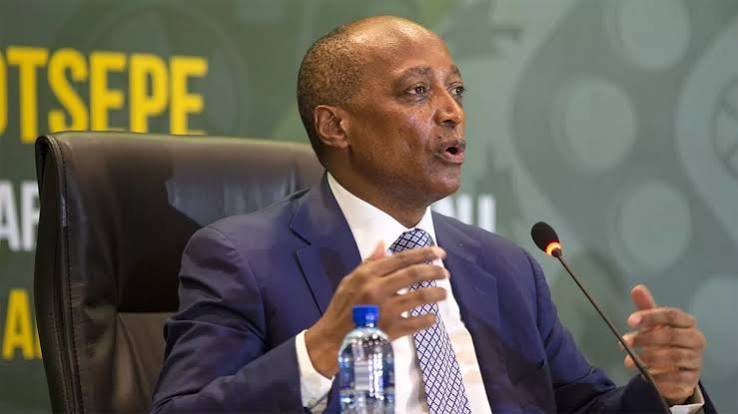
South African billionaire Patrice Motsepe has built significant influence in both business and international football.
As president of the Confederation of African Football, he plays a major role in the development and direction of African football.
His career combines entrepreneurship, philanthropy, and sports leadership.
9. Aliko Dangote — Transforming African Business
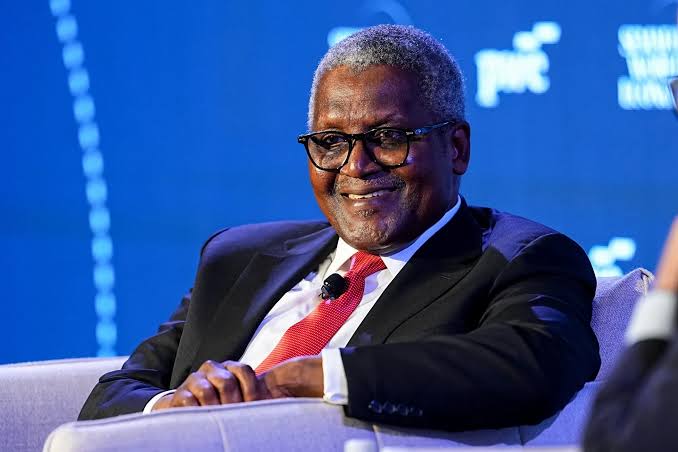
Nigerian businessman Aliko Dangote remains one of Africa’s most influential entrepreneurs.
Through the Dangote Group, he has invested heavily in manufacturing, infrastructure, agriculture, and other major sectors of the African economy.
His story represents the growing power of African entrepreneurship on the global stage.
10. Rihanna — Turning Cultural Influence Into Business Power
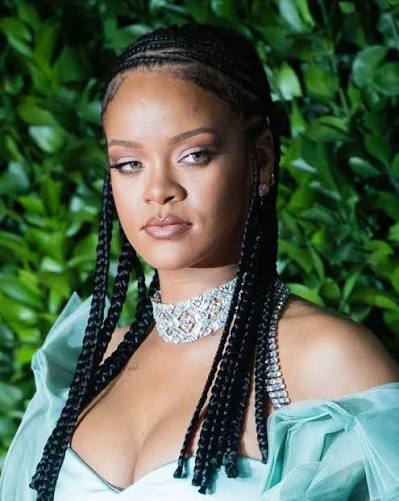
Rihanna has demonstrated that global influence can extend far beyond music.
Through Fenty Beauty, fashion, philanthropy, and entertainment, she has built a powerful international brand.
Her success has also challenged traditional ideas about beauty and representation by making inclusivity a central part of her business strategy.
11. Tyler Perry — Building an Entertainment Empire
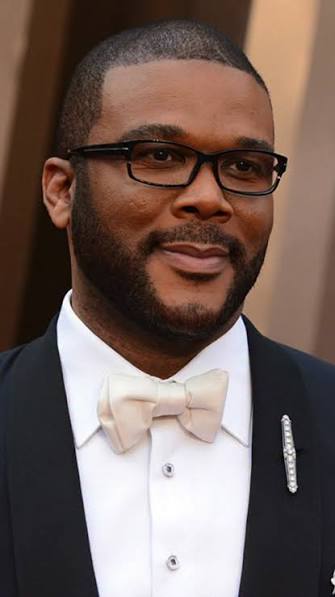
Tyler Perry has become one of the most powerful Black figures in entertainment.
As a filmmaker, actor, producer, and studio owner, Perry has created opportunities for Black actors, writers, directors, and production professionals.
His success demonstrates the importance of Black ownership and control of storytelling.
12. LeBron James — Leadership Beyond Sports
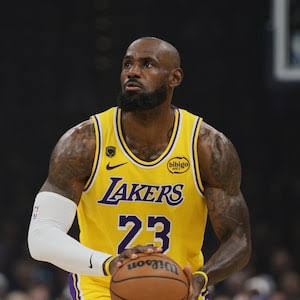
Basketball superstar LeBron James has transformed his athletic success into a broader platform for education, business, philanthropy, and social advocacy.
Through his foundation and various business ventures, he has invested in communities and supported educational opportunities for young people.
His influence shows that athletes can become leaders far beyond the playing field.
13. Serena Williams — A Global Symbol of Black Excellence
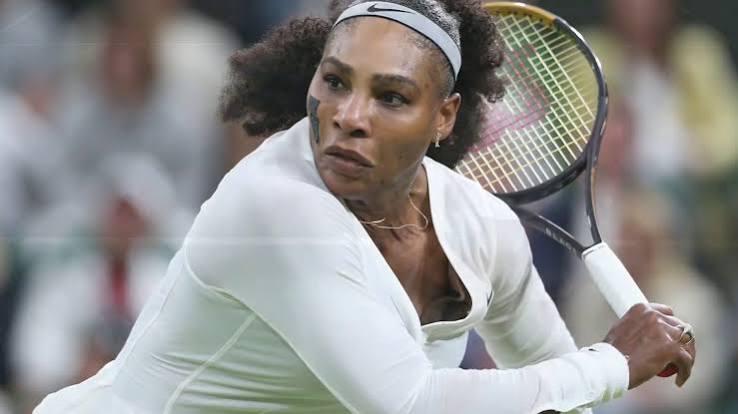
Serena Williams remains one of the most influential Black athletes in history.
Her achievements in tennis helped redefine what was possible for Black women in professional sports.
Since stepping away from competitive tennis, she has continued building influence through entrepreneurship, investment, fashion, and advocacy.
14. Victor Glover — Representing Black Excellence in Space
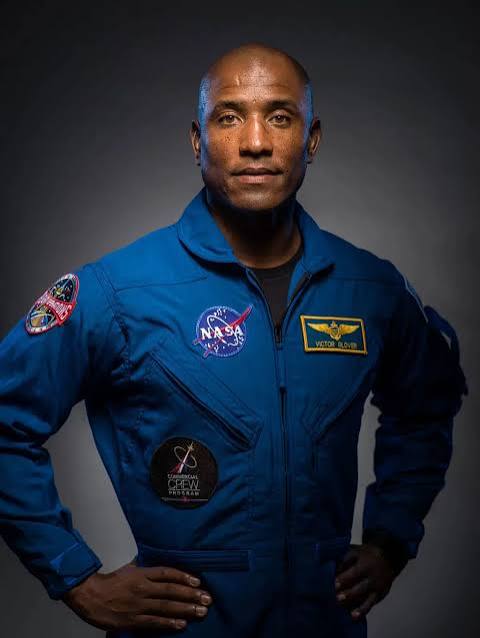
NASA astronaut Victor Glover represents a different kind of leadership.
In 2026, Glover became the first Black person to travel to the vicinity of the Moon as part of NASA’s Artemis II mission.
His achievement is a powerful reminder that Black representation continues to expand into fields once dominated by a narrow group of people.
15. Martin Luther King III — Carrying the Civil Rights Legacy Forward
Martin Luther King III continues his family’s long association with civil rights advocacy.
His work focuses on issues including voting rights, equality, and social justice. In 2026, he participated in efforts around voting rights as debates over American democracy continue.
His work demonstrates that the fight for equality did not end with the generation of Martin Luther King Jr.
What Makes These Leaders Influential?
These individuals work in very different fields, but their influence comes from more than fame or wealth.
They create, advocate, invest, innovate, represent, and inspire.
Some influence governments and international institutions. Others influence what people watch, buy, listen to, or believe is possible.
Together, they demonstrate the many faces of modern Black leadership.
Black Leadership Is Global
One of the most important lessons from these leaders is that Black influence is no longer confined to one country or one industry.
From Washington to Lagos, Johannesburg to the global stage, Black professionals, entrepreneurs, creatives, athletes, scientists, and activists are helping shape the future.
And new leaders continue to emerge.
Final Thought
The most influential Black leaders of 2026 remind us that leadership does not have one definition.
It can mean building a billion-dollar company, leading an international institution, fighting for social justice, creating opportunities for others, or simply becoming the first person from your community to enter a space where few people who look like you have gone before.
Black leadership is not just about making history. It is about shaping what comes next.