Iran in Turmoil: Protests, Mass Deaths, and Rising Tensions With the U.S.

Share
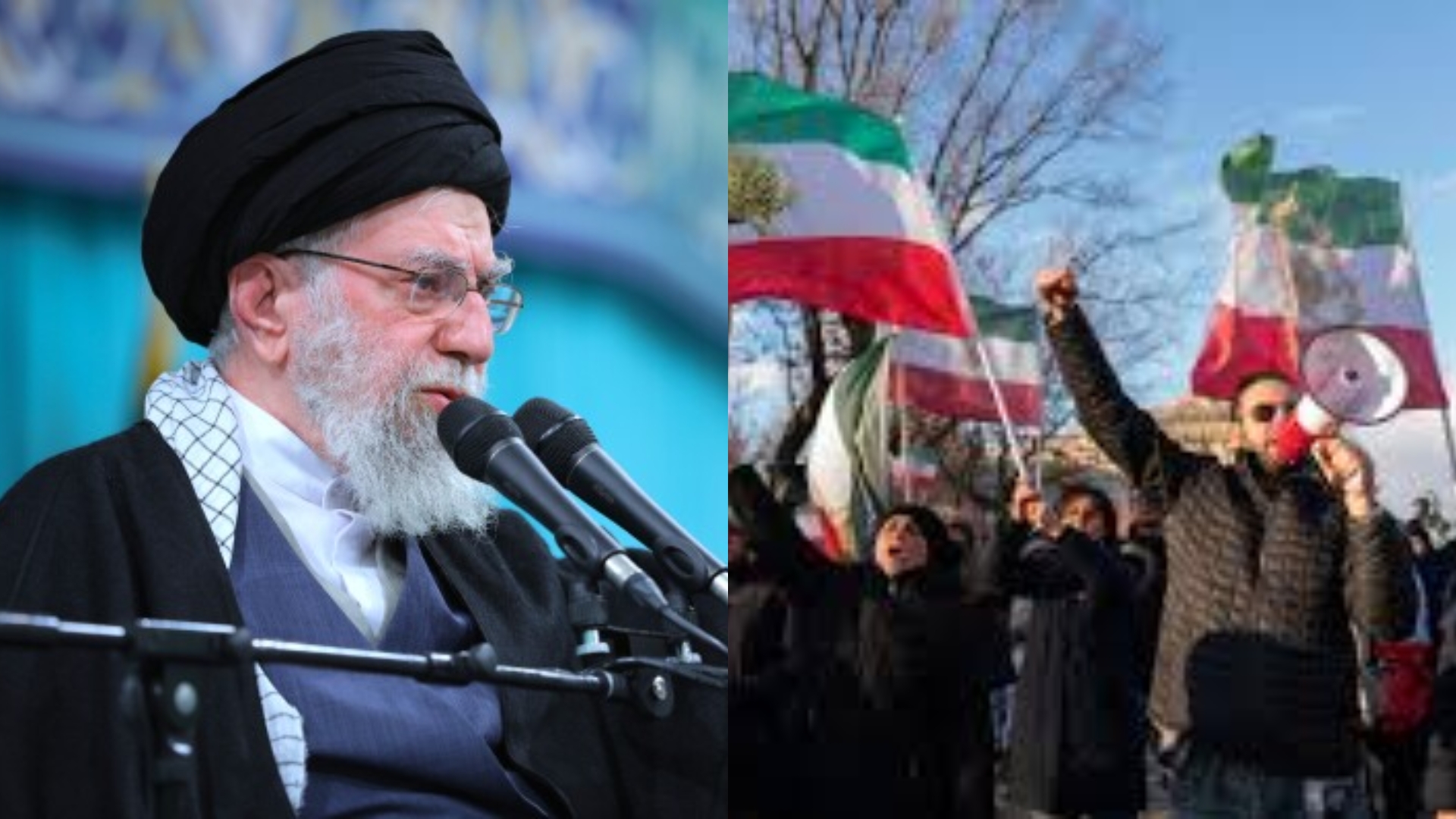
Iran has entered one of the most volatile chapters in its modern history, as widespread domestic unrest collides with rising military tensions and the lingering fallout of a major regional conflict. Across the country, massive protests have surged into what many observers describe as a critical phase, driven by a collapsing economy, political repression, and years of public frustration with authoritarian rule.
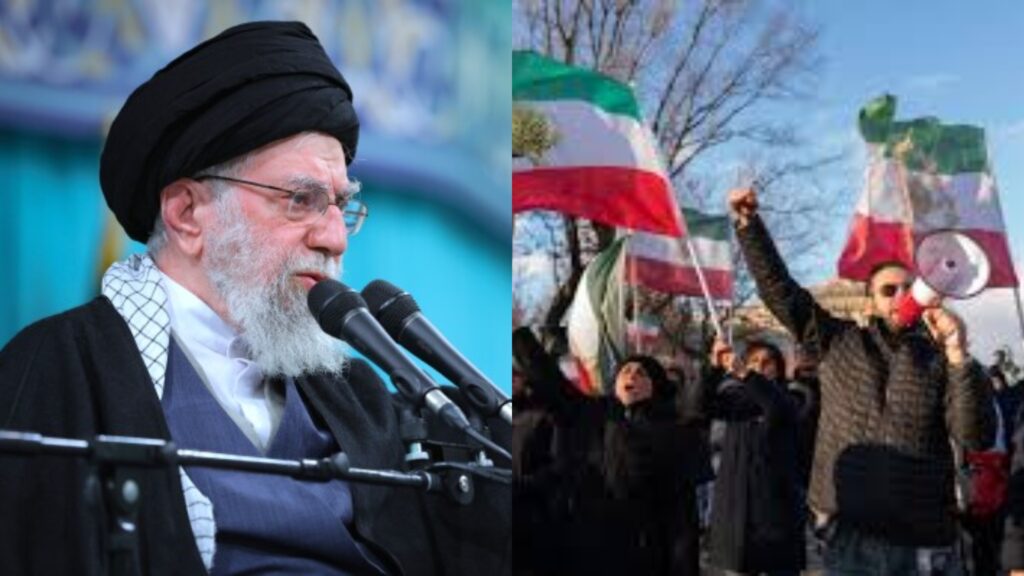
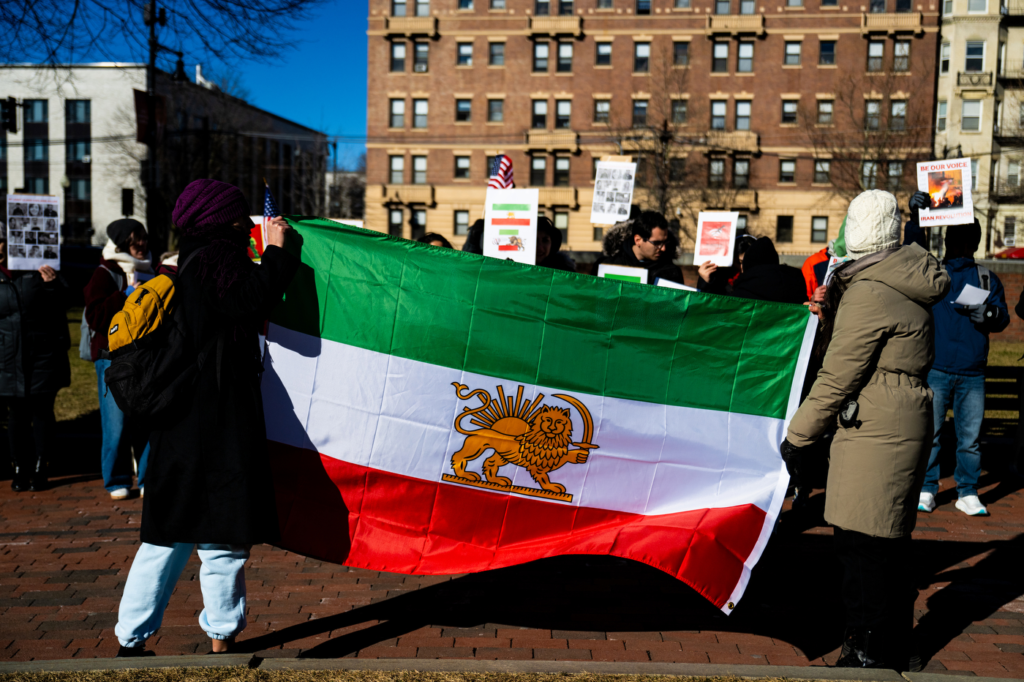
Cities from Tehran to Mashhad, Isfahan, and Shiraz have become flashpoints, with crowds demanding economic relief, political reform, and an end to state violence. What began as demonstrations over inflation and unemployment has evolved into a broader movement questioning the legitimacy of the government itself. Protesters have targeted government buildings, state media offices, and symbols of clerical authority, signaling a shift from grievance to defiance.
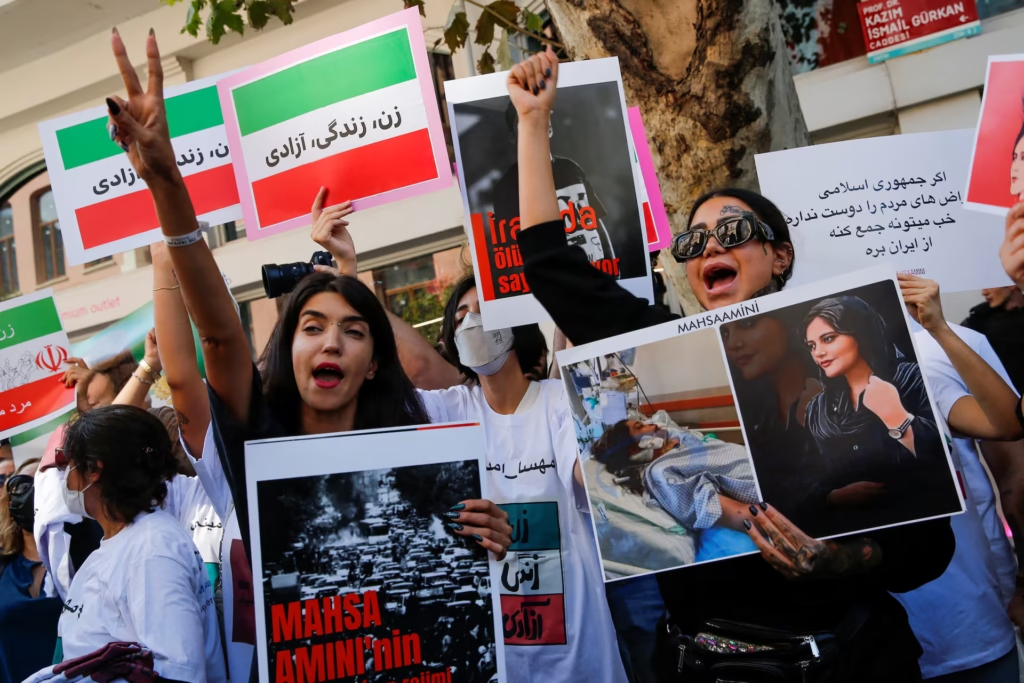
The government’s response has been swift and brutal. Activist networks and international human rights organizations report an extraordinary death toll from the crackdown, with estimates ranging from 3,700 to more than 5,000 people killed. Thousands more are believed to be injured or detained. Families describe midnight arrests, disappearances, and mass trials conducted behind closed doors. In many regions, internet access has been restricted as authorities attempt to contain both coordination and documentation of abuses.
The scale of the violence has shocked even seasoned observers of Iran’s political system. Security forces, including the Revolutionary Guard and paramilitary units, have been deployed in full force, using live ammunition, armored vehicles, and sweeping curfews to suppress dissent. Hospitals have reportedly been pressured to withhold casualty data, while state television minimizes the unrest, framing it as foreign-instigated chaos rather than a homegrown uprising.
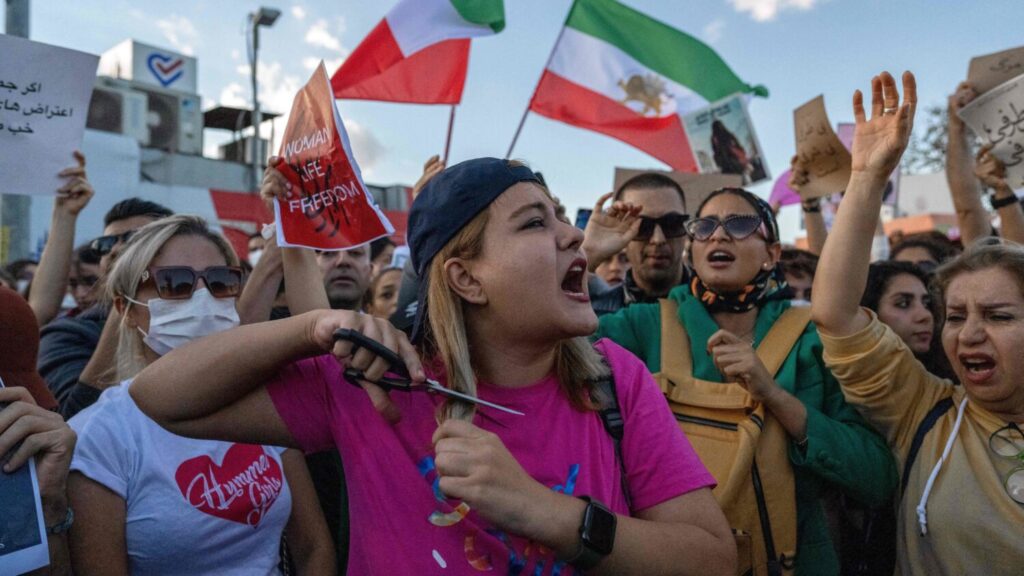
This internal crisis unfolds against a backdrop of escalating tensions with the United States. The aftermath of recent regional conflict has left Iran diplomatically isolated and militarily exposed. Washington has increased its rhetorical and strategic pressure, citing human rights abuses and regional destabilization. Tehran, in turn, has accused the U.S. of orchestrating unrest, warning of retaliation should foreign powers intervene more directly.
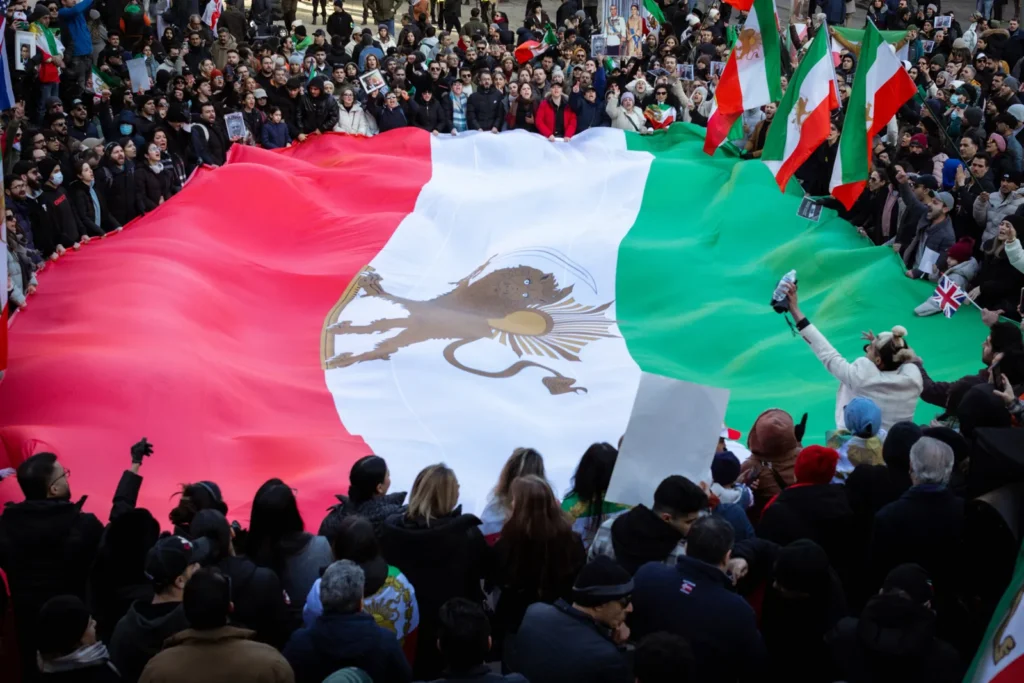
For ordinary Iranians, the convergence of domestic repression and international confrontation has created a climate of fear and uncertainty. The currency continues to weaken, basic goods grow scarcer, and public services strain under economic collapse. Young people, already burdened by unemployment and limited freedom, have become the backbone of the protests, viewing the current moment as a rare chance to force change despite the risks.
The world is watching an inflection point. Whether the government tightens its grip or fractures under pressure may shape Iran’s future for generations. What is clear is that the unrest is no longer isolated or symbolic. It is national, sustained, and fueled by a population that believes it has little left to lose.
As casualties mount and tensions rise beyond Iran’s borders, the crisis is becoming more than an internal matter. It is a defining test of how long a state can govern through force alone, and how far its people are willing to go in response.