How HBCUs Are Producing the Most Influential Black Leaders in Tech, Politics, and Media

Share
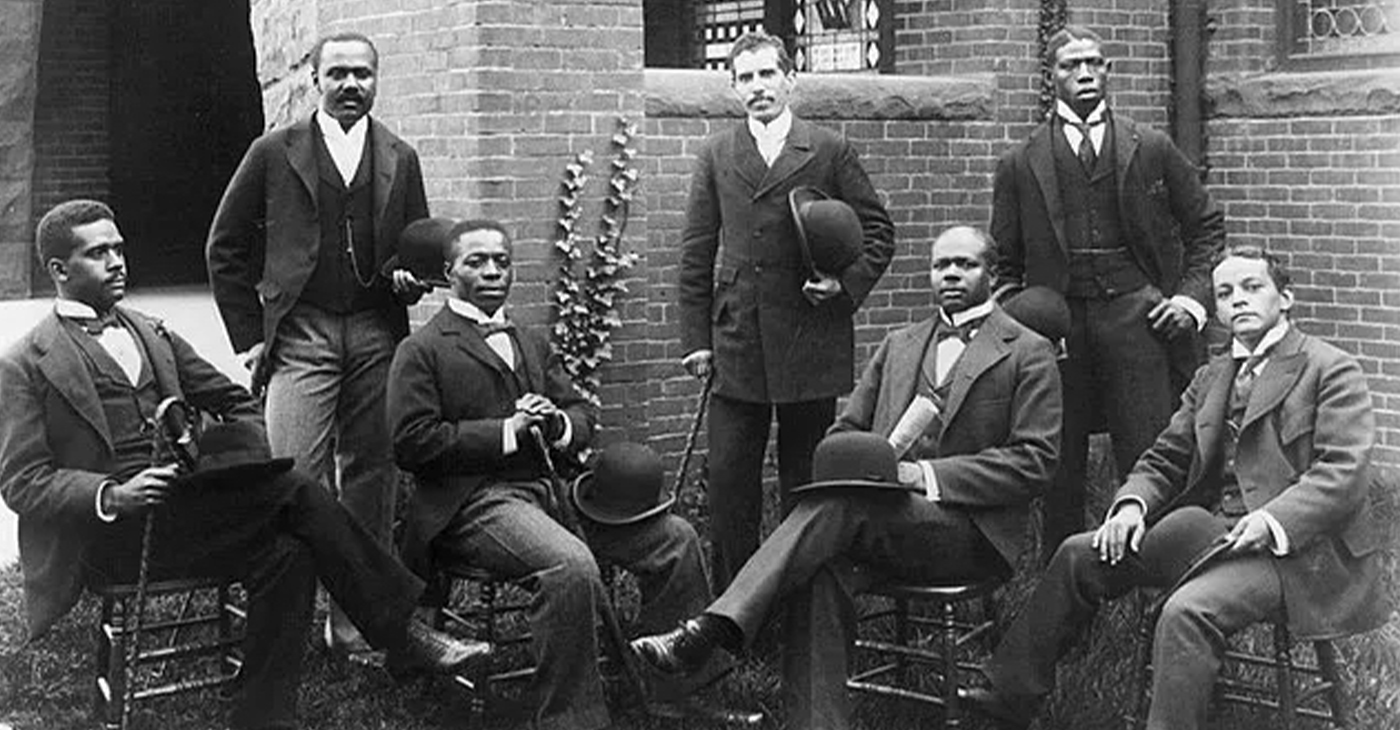
For generations, Historically Black Colleges and Universities (HBCUs) have served as engines of Black excellence, not just in the classroom but across the highest levels of tech, politics, and media. From civil rights pioneers to Fortune 500 executives, HBCU alumni have shaped the trajectory of Black leadership in America and beyond. Today, these institutions continue to produce some of the most influential Black leaders of the 21st century, redefining who gets to sit at tables of power and innovation.
As the U.S. economy becomes more digital and the politics of representation take center stage, HBCUs are uniquely positioned to ground students in both cultural history and future-facing skills. These institutions are not just graduating scholars, they are nurturing thinkers, innovators, and storytellers whose contributions are reshaping industries and communities.
Bridging Legacy and Innovation
The legacy of HBCUs dates back to the 19th century, rooted in resistance to exclusion from predominantly white institutions. Schools like Howard University, Spelman College, Morehouse College, and Hampton University became sanctuaries where Black intellectual life could flourish, even under segregation. That legacy of resilience set the stage for the HBCU pipeline we see today.
Today’s HBCUs honor that heritage while anchoring students in modern disciplines. STEM programs emphasize coding, engineering, and data science. Political science departments link grassroots organizing with public policy. Communications and media studies centers prepare students for careers in digital content, journalism, and entertainment. What unites these pathways is a deep commitment to cultural confidence, community accountability, and excellence against odds.
Powering the Tech Sector
In the tech industry, a field where Black professionals remain underrepresented, HBCUs are changing the narrative. Through targeted programs, partnerships with leading tech companies, and dedicated innovation labs, these universities are equipping students with critical digital skills and professional networks.
HBCU graduates are now visible across major tech firms, emerging startups, and venture capital spaces. Some are building their own tech ventures, focusing on products that address inequities in health care, financial services, education, and access to capital. Others lead engineering teams, drive product strategy, and mentor cohorts of Black technologists who see themselves in leadership roles for the first time.
This presence is not accidental. Institutions are investing in incubators, hackathons, coding bootcamps, and partnerships with industry leaders, all designed to translate classroom learning into real-world impact.
Shaping Politics and Civic Life
HBCUs also produce powerful voices in public service and political leadership. Alumni from these campuses are serving in city halls, state legislatures, and the U.S. Congress. Their leadership offers perspectives grounded in lived experience, community focus, and long-term vision.
These leaders often trace their sense of civic responsibility back to HBCU environments that emphasize service, activism, and critical engagement with social justice. Civil rights history is not a text on a syllabus; it is lived memory transmitted by professors, community elders, and peers. That deep grounding helps shape lawmakers and advocates who understand policy not as abstraction, but as lived reality.
Influencing Media, Culture, and Storytelling
Media and cultural influence are equally important arenas where HBCU alumni are rising. From journalists and producers to social commentators, entertainers, and digital creators, graduates are shaping how stories about Black lives are told, and who gets to tell them.
In an era where representation matters more than ever, these creators are pushing boundaries, challenging stereotypes, and building platforms that elevate Black voices. Whether it’s a documentary series, a podcast on civic issues, or social media content that moves hearts and minds, HBCU graduates are showing that storytelling is a form of power.
Beyond Graduation: Networks and Legacy
What sets HBCUs apart is not only academic rigor but the network students enter when they walk across the stage. Alumni communities are tight-knit, supportive, and invested in collective success. These networks extend into corporate boardrooms, political caucuses, media studios, and global forums, offering mentorship and opportunity long after graduation.
For many Black students, attending an HBCU is not just about a degree; it is about identity affirmation and belonging, a place where achievement is met with recognition, not surprise.
What This Means for the Next Generation
As Black leadership expands across sectors, the influence of HBCU-educated leaders grows with it. These individuals are not just participating in their fields, they are redefining them. They shape culture, influence policy, build innovative companies, and mentor the next wave of Black talent.
In a moment when equity and representation are national imperatives, HBCUs continue to prove that excellence does not need to conform to traditional power structures, it can create them.
For students, educators, and communities watching closely, the rise of HBCU leaders in tech, politics, and media offers a powerful lesson: when Black voices are nurtured, supported, and educated with confidence and opportunity, they can lead not just their communities, but the world.