

Afeni Shakur: The Revolutionary Mother Who Shaped Tupac and Black Liberation

Share
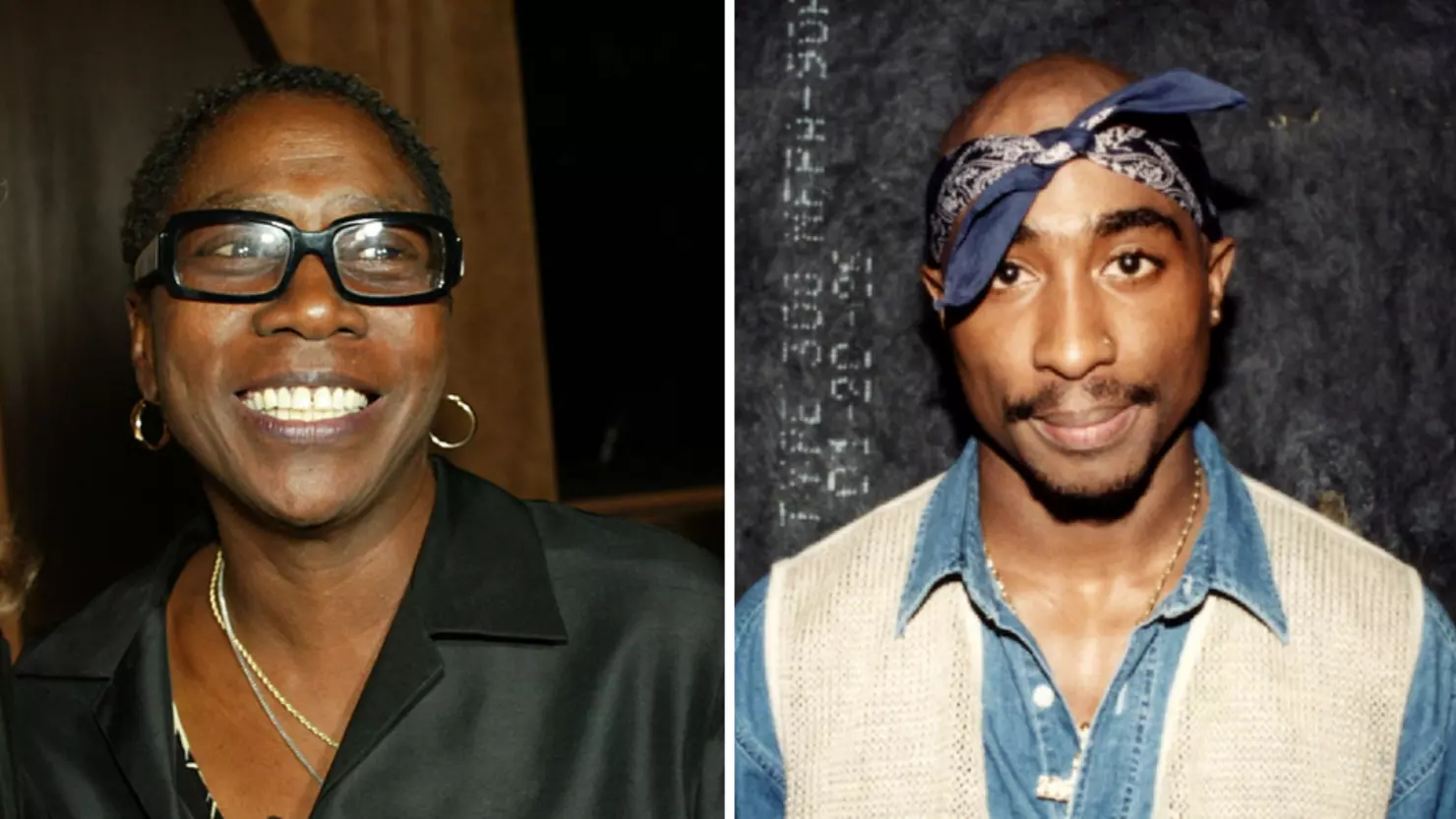
Afeni Shakur’s name is often spoken in the shadow of her son’s global fame, but her life stands on its own as one of the most powerful, complicated, and influential stories in modern Black history. Long before Tupac Shakur became the voice of a generation, Afeni Shakur was already fighting for justice, dignity, and liberation in America.
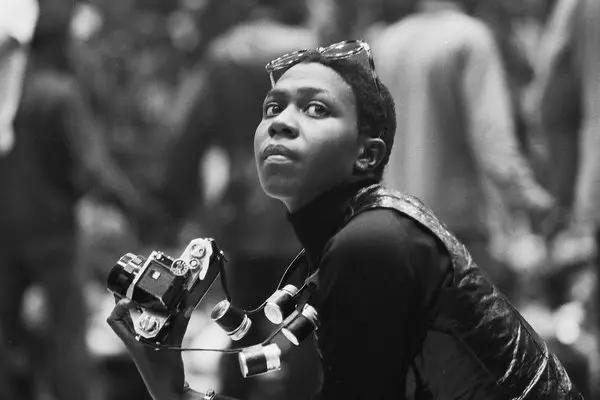
Born Alice Faye Williams in 1947 in Lumberton, North Carolina, Afeni came of age during one of the most turbulent periods in U.S. history. As a young Black woman navigating racism, poverty, and systemic exclusion, she found political clarity in activism. After moving to New York City, she joined the Black Panther Party, where she quickly emerged as a bold, articulate organizer deeply committed to Black self-determination.
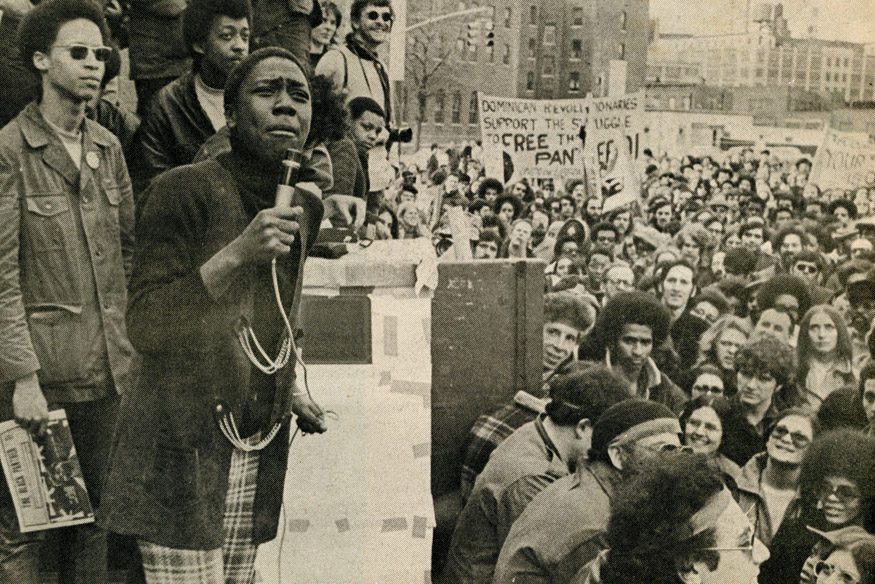
Her activism came at a steep cost. In 1969, Afeni Shakur was arrested alongside 20 other Panthers in what became known as the Panther 21 case, accused of conspiring to carry out attacks on police stations and public buildings. Facing more than 300 years in prison, Afeni made a decision that still resonates today: she represented herself in court.
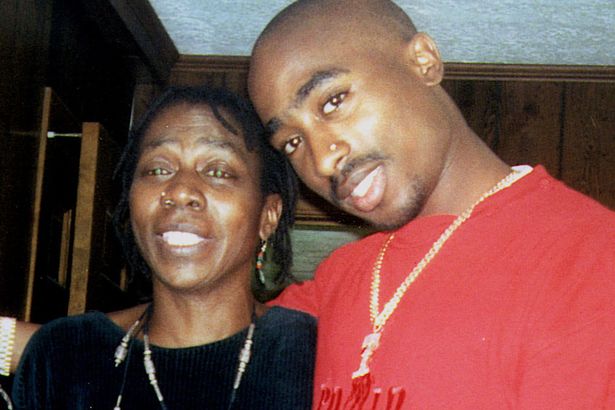
While pregnant with Tupac, she studied law books in her cell, cross-examined witnesses, and exposed contradictions in the prosecution’s case. In 1971, she and her co-defendants were acquitted on all charges. Just one month later, she gave birth to Tupac Amaru Shakur, naming him after an Indigenous revolutionary executed for resisting colonial rule. From the beginning, resistance and history were embedded in her son’s identity.
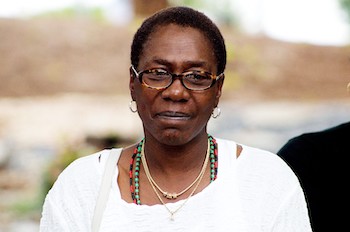
Motherhood did not shield Afeni from hardship. The post-Panther years were brutal. Government surveillance, economic instability, and unaddressed trauma took their toll. Afeni struggled with addiction, homelessness, and the daily fight to raise her children while carrying the emotional weight of political warfare. These struggles would later surface in Tupac’s music, not as shame, but as truth.
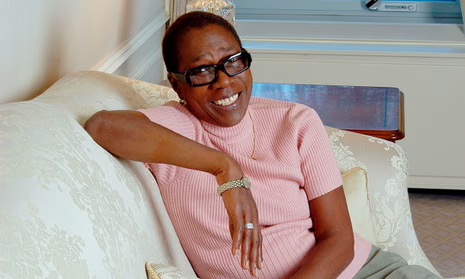
Despite everything, Afeni remained a source of intellectual and emotional grounding for her son. She introduced him to poetry, revolutionary thinkers, and the importance of speaking truth, even when it’s uncomfortable. Tupac often credited his mother as his greatest teacher, acknowledging that his political consciousness, empathy, and defiance were inherited directly from her.
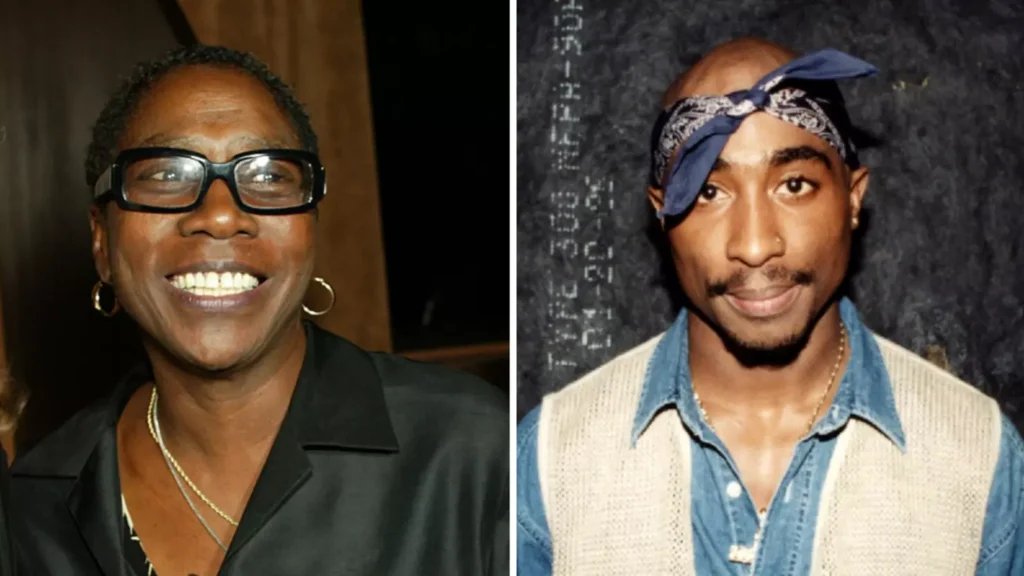
After Tupac’s death in 1996, Afeni Shakur transformed her grief into purpose. She took control of his estate, corrected exploitative contracts, and ensured that his music, message, and image were protected. Under her leadership, Tupac’s legacy expanded rather than diluted, reaching new generations without losing its political edge.
She also founded the Tupac Amaru Shakur Foundation, dedicated to supporting young artists and providing arts education to underserved communities. For Afeni, creativity was not entertainment alone, it was survival, expression, and resistance.
What many people don’t fully grasp is that Afeni Shakur represents the lived cost of Black radicalism in America. She was not a symbol frozen in time; she was a woman who endured state repression, personal demons, and public scrutiny, yet never abandoned the belief that Black people deserved freedom and dignity.
Afeni Shakur passed away in 2016, but her influence remains unmistakable. Every time Tupac’s words spark conversation about injustice, police violence, poverty, or Black identity, her spirit is present. She was the architect behind the artist, the revolutionary behind the poet, and a reminder that Black women have always been at the center of every movement for liberation.
Afeni Shakur was not just the mother of a legend. She was a revolutionary in her own right, flawed, fearless, and forever essential to the story of Black resistance in America.