

Claudette Colvin: The Teen Who Challenged Segregation Before Rosa Parks

Share
In the canon of American civil rights history, Claudette Colvin’s name is often a footnote, if it appears at all. Yet on March 2, 1955, Colvin, then just 15 years old, did something that would alter the legal foundation of segregation in the United States. She refused to give up her seat on a segregated Montgomery bus, nine months before Rosa Parks’ more widely remembered act of defiance.
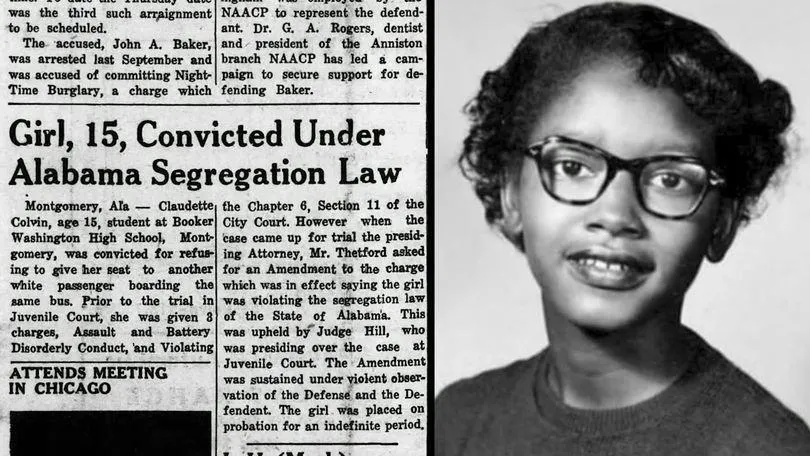
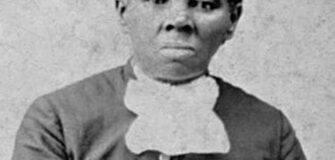
Colvin was a high school student, returning home from school when the bus driver ordered her to move for a white passenger. She did not. Police officers dragged her off the bus, handcuffed her, and charged her with violating segregation laws. She later said she felt Harriet Tubman and Sojourner Truth “pressing down” on her shoulders, compelling her to stay seated.
Her arrest made her one of the earliest catalysts of the Montgomery Bus Boycott era, but she did not become its public face.
Why history passed her by
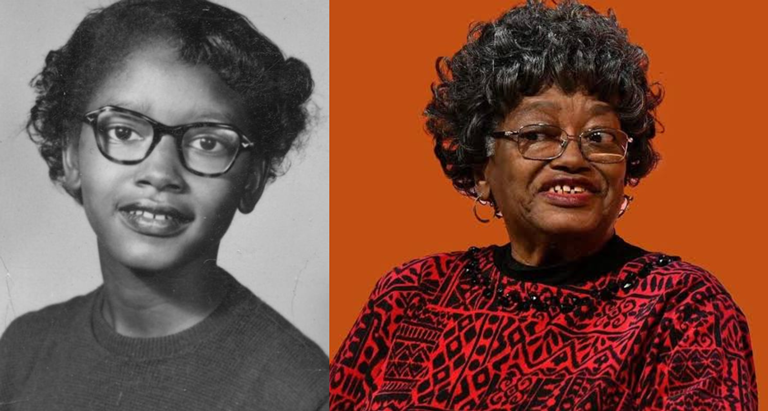
Civil rights leaders at the time made a strategic decision. Colvin was young, outspoken, and from a working-class background. When she later became pregnant, movement leaders feared that white-controlled media and courts would use her personal circumstances to undermine the broader cause. Rosa Parks—older, married, employed, and already respected within the movement, was deemed a safer symbol.
The choice was pragmatic, not personal. But it had lasting consequences.
Colvin returned to school amid ridicule and isolation. Her bravery, while essential, came without the protection or recognition afforded to others. For decades, her role remained largely absent from textbooks and public commemorations.
The case that changed the law
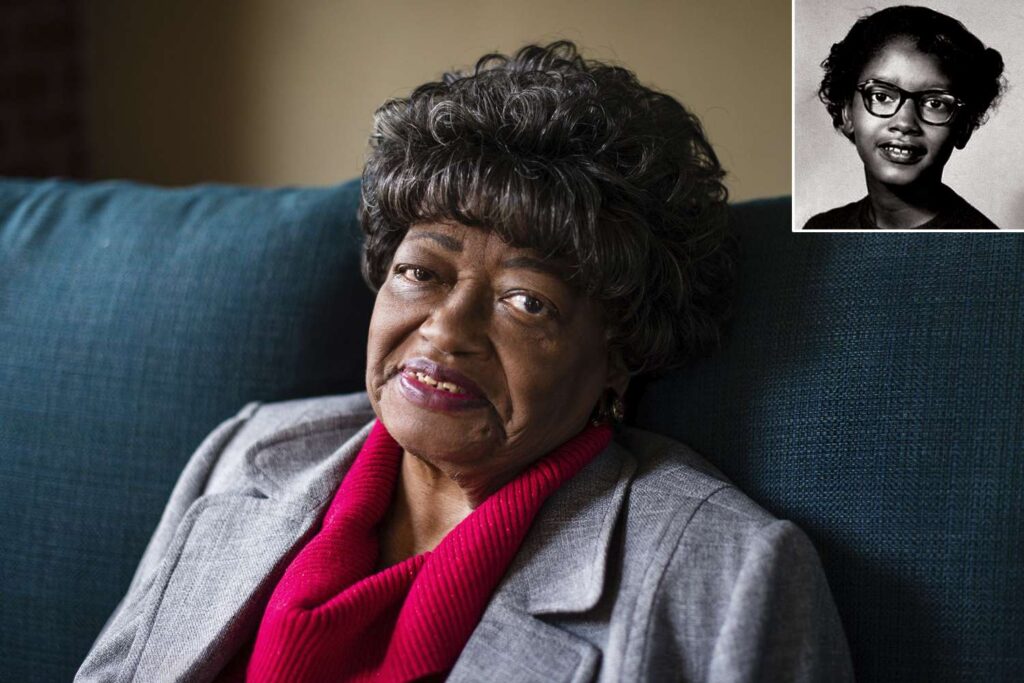
Although she was sidelined as a public symbol, Colvin’s legal impact was decisive. She became one of the plaintiffs in Browder v. Gayle, the federal case that challenged bus segregation in Montgomery. In 1956, the court ruled that segregated buses were unconstitutional, a decision that effectively ended the practice and affirmed the legal basis of the boycott’s success.
Rosa Parks’ arrest sparked the movement’s momentum. Claudette Colvin’s testimony helped secure its victory.
A life shaped by courage, and cost
After leaving Montgomery, Colvin moved to New York City, where she worked as a nurse’s aide for decades. She lived quietly, far from the spotlight that later surrounded the civil rights era. Recognition came slowly, often through the work of historians and educators determined to tell a fuller story.
In recent years, Colvin’s contributions have gained overdue attention, especially as Americans revisit the roles of women and young people in social movements, and question how narratives are curated, elevated, or erased.
In 2021, a judge expunged her arrest record, closing a legal chapter that had followed her since adolescence.
Why Claudette Colvin matters now
Colvin’s story complicates the idea that history advances only through perfectly timed heroes. It reminds us that movements are built by many acts of courage—some celebrated, others quietly absorbed into the foundation.
For a US audience grappling with how social change really happens, Claudette Colvin offers a necessary truth: justice often depends on people who are too young, too inconvenient, or too imperfect to become symbols, yet brave enough to act anyway.
Her legacy is not diminished by the spotlight she never received. If anything, it underscores the cost of progress, and the voices that history must still recover to tell its stories honestly.