

Madam C. J. Walker: The Entrepreneur Who Built a Beauty Empire

Share
Long before “creator economy” became a buzzword and long before venture capital learned how to talk about inclusion, Madam C. J. Walker built a scalable business in an America that offered Black women little room to imagine themselves as owners, let alone industry leaders. She did it by identifying a real consumer need, developing a product line, building a national salesforce, and turning training into a pipeline for economic mobility.
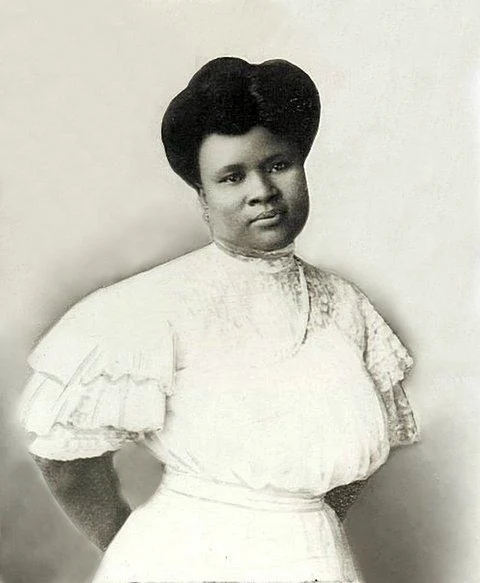
Her name, Madam C. J. Walker, became synonymous with ambition, self-invention, and the kind of business strategy that still reads as modern: branding, distribution, education, and community investment woven together into a single commercial engine.
Walker was born Sarah Breedlove in 1867 in Louisiana, the child of formerly enslaved parents. Her early life was defined by instability and survival: orphaned young, married in her teens, widowed, and responsible for a daughter while working low-wage jobs. But the biography that tends to be told as inspirational mythology also contains a hard business lesson: Walker’s rise was built on operational competence and relentless execution, not just personal grit.
A product problem becomes a business opportunity
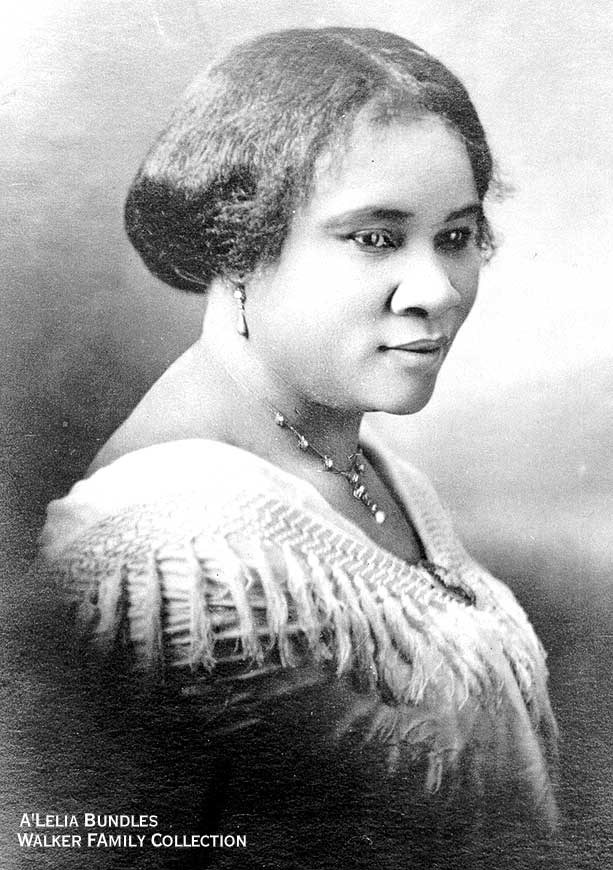
Walker’s origin story as an entrepreneur starts with a personal and widely shared problem among Black women of the era: scalp conditions and hair loss worsened by limited access to indoor plumbing, harsh products, and poor nutrition. What followed was the move that separates consumers from founders, she decided the solution could be built, packaged, and sold.
After time spent learning about hair and scalp care and working in sales within the Black hair-care market, Walker developed her own products and began building a brand around them. The goal was not merely cosmetic. It was practical: healthier hair and scalp care, marketed by someone who understood the customer and spoke her language, culturally, socially, and economically.
The real innovation: a distribution system led by Black women
Walker’s most enduring business insight may not have been the formula in a jar. It was the system she built to get it into households nationwide.
She recruited and trained Black women as sales agents, often referred to as “Walker Agents”, creating a commission-based network that combined product distribution with skills development. In an era when domestic work was one of the few available occupations, her model offered something rare: income tied to performance, training tied to advancement, and a professional identity tied to ownership and presentation.
This was more than door-to-door selling. It was an early version of a nationwide commercial community, one that made Black women not only customers, but economic participants in the brand’s growth.
Building a company, not a hustle
Walker formalised the enterprise at scale. In 1910, she incorporated the Madam C. J. Walker Manufacturing Company in Indianapolis, then a growing industrial hub, shifting her operation from individual entrepreneurship into corporate infrastructure.
From there, the company expanded through manufacturing and training, with a business footprint that made it one of the most recognised and financially successful Black-owned enterprises of the early 20th century. Her approach blended product sales with education, creating what would now be called an ecosystem: retail, training, professional standards, and brand loyalty feeding each other.
Wealth with a public purpose
Walker’s story is often reduced to a headline, “America’s first self-made female millionaire”, and while the exact phrasing is sometimes debated by historians, the larger point is indisputable: she amassed extraordinary wealth and influence in a country designed to restrict both.
What makes her legacy distinct is how intentionally she used that wealth. Walker funded institutions and causes at a time when philanthropic support for Black communities could mean the difference between progress and stagnation. Her giving included support for Black education, community institutions, and civil rights causes, including anti-lynching efforts.
In today’s language, Walker understood stakeholder capitalism before it had a label. She invested in the ecosystem that produced her customers and her workforce, and she tied business success to community uplift as a strategic and moral choice.
Villa Lewaro and the symbolism of arrival
Walker’s estate, Villa Lewaro, became one of the most visible symbols of Black excellence in the early 1900s, an architectural declaration that Black wealth could exist publicly, not only privately.
But the estate’s significance goes beyond spectacle. It represented something political and cultural: a place where Black leaders could gather, strategize, and be seen. In a period when social and economic power were tightly policed, visibility was its own form of resistance.
A death in 1919, and a legacy that kept moving
Madam C. J. Walker died in 1919, but the business continued under her daughter, A’Lelia Walker, and the company’s cultural footprint extended well beyond its early decades. The story is instructive for modern founders because it shows what it takes to build beyond a single charismatic leader: institutional memory, trained talent, brand equity, and operations that can outlast the originator.
Her modern relevance is not only historical. Walker’s model, product-market fit, cultural intelligence, distributed sales, workforce training, and community investment, maps cleanly onto the playbooks used by high-performing consumer brands today.
Why Walker still matters to American business
Walker’s name endures because her life answers a contemporary question: what does it look like when a founder builds power without access to traditional power? She didn’t wait for elite permission. She built her own channels, created her own workforce pipeline, and turned a neglected customer base into a central market.
For a US audience navigating renewed conversations about economic mobility, wealth gaps, and who gets to build generational companies, Madam C. J. Walker remains a case study in strategic entrepreneurship, proof that innovation is not only technology-driven. Sometimes, it is distribution. Sometimes, it is training. Sometimes, it is the audacity to treat an ignored community as a primary market rather than an afterthought.