

Oprah Winfrey Biography: How She Built a Media Empire and Changed Black America

Share
Oprah Winfrey is not simply a television personality, she is one of the most influential figures in modern American history. From reshaping daytime television to redefining what Black ownership looks like in media, Oprah’s life story represents resilience, vision, and unmatched cultural power.
Born on January 29, 1954, in rural Mississippi, Winfrey’s early life was marked by poverty, instability, and trauma. Raised in part by her grandmother, she learned discipline early, excelling in school while navigating circumstances that would have derailed many others. That foundation of intellect and emotional depth would later become central to her connection with audiences worldwide.
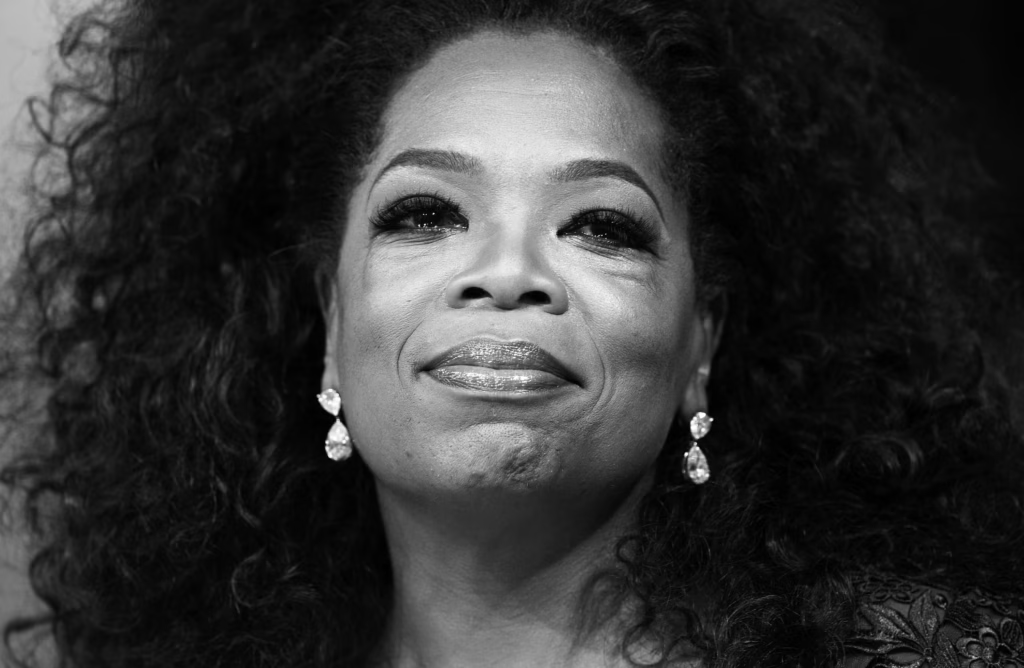
Her entry into broadcasting began in local radio and television while she was still a college student. But it was The Oprah Winfrey Show, launched nationally in 1986, that changed the landscape of American media. Unlike other talk shows of the era, Oprah centered empathy, storytelling, and human truth, giving space to everyday people while also confronting major social issues. Within a few years, her show became the highest-rated daytime talk show in history, running for 25 seasons.
What many people don’t fully grasp is that Oprah wasn’t just the face of the show, she owned it. Through Harpo Productions, she secured creative control and financial independence at a time when Black women were rarely allowed either. That ownership move quietly made her one of the most powerful executives in television, long before “Black girl boss” became a cultural phrase.
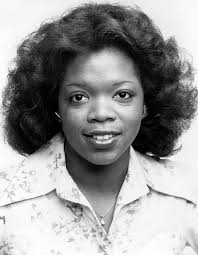
Oprah’s influence expanded far beyond television. Her book club reshaped the publishing industry, routinely turning unknown authors into bestsellers overnight. Her interviews, from Michael Jackson to Barack Obama, became cultural events that defined eras. And her endorsement power, often called “The Oprah Effect,” could elevate businesses, ideas, and movements instantly.
In 2011, she launched the Oprah Winfrey Network (OWN), a bold and risky move that initially struggled but ultimately succeeded. Today, OWN stands as one of the few Black woman-owned television networks in history, producing culturally resonant content that centers Black stories with depth and dignity.
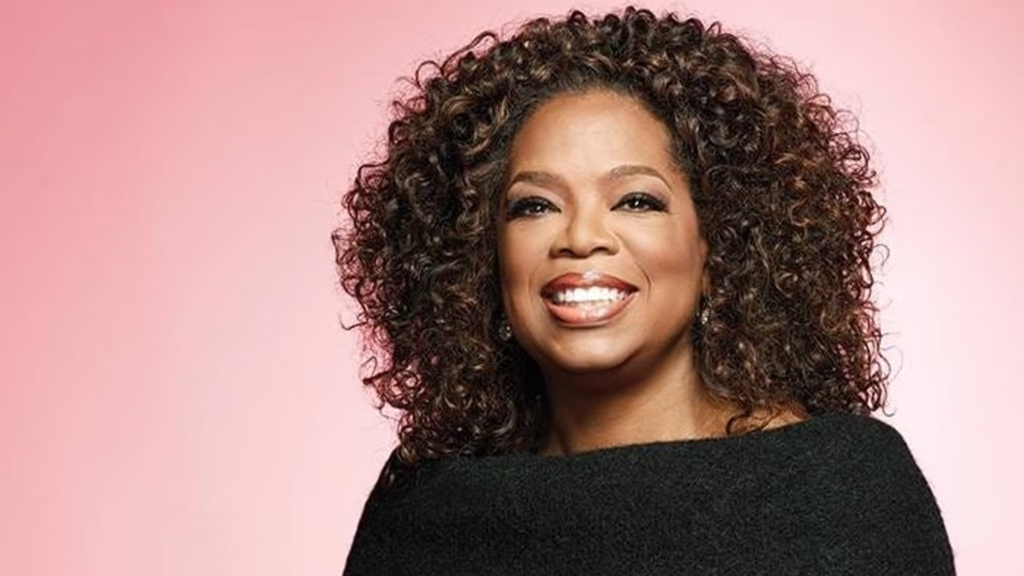
Equally significant is Oprah’s philanthropic legacy. She has donated hundreds of millions of dollars to education, women’s empowerment, disaster relief, and historically Black institutions. The Oprah Winfrey Leadership Academy for Girls in South Africa remains one of her most personal and enduring commitments, reflecting her belief that education is the most powerful tool for generational change.
Despite her wealth and status, Oprah has remained open about her struggles, including body image, self-worth, and emotional healing. That transparency has deepened her connection with audiences and positioned her not just as a mogul, but as a trusted voice on growth and purpose.
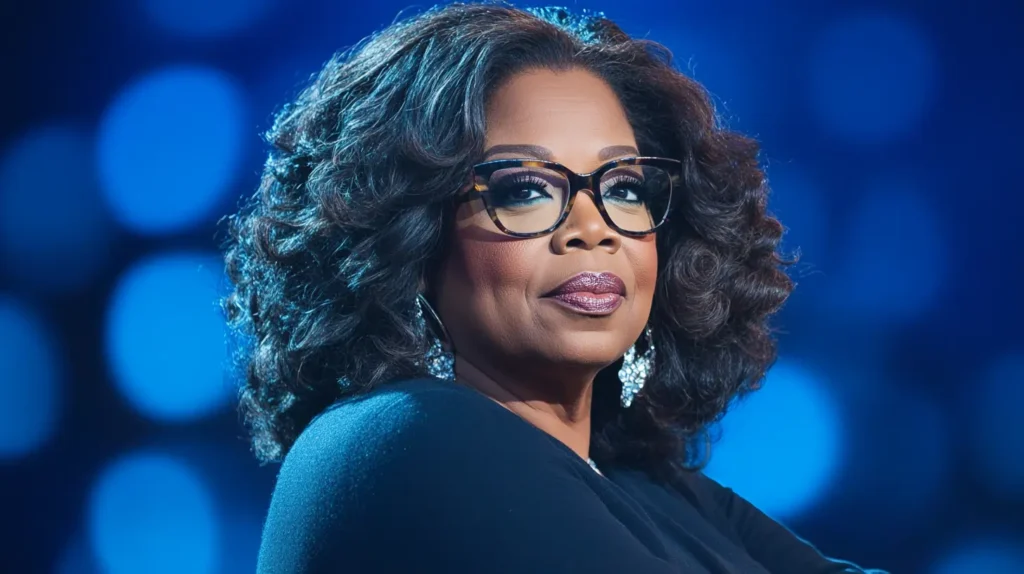
Today, Oprah Winfrey’s legacy is secure. She is a billionaire, an EGOT-adjacent icon, a media architect, and a cultural elder whose impact spans generations. More importantly, she changed the rules, proving that Black women can own the platforms, control the narratives, and build institutions that outlive them.
Oprah didn’t just break barriers. She built doors.