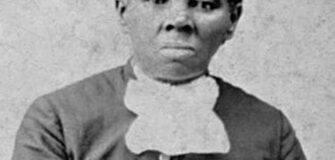


Sojourner Truth: The Fearless Voice Who Changed America’s Fight for Freedom

Share
Sojourner Truth was never meant to be silent, and history is different because she refused to be. Born into slavery in the late 18th century, Truth emerged as one of the most commanding moral voices America has ever produced, challenging slavery, racism, and sexism at a time when Black women were expected to endure quietly.
Her life was not built in comfort or protection. It was forged in brutality, faith, and an unshakable belief that truth, spoken boldly, could move nations.
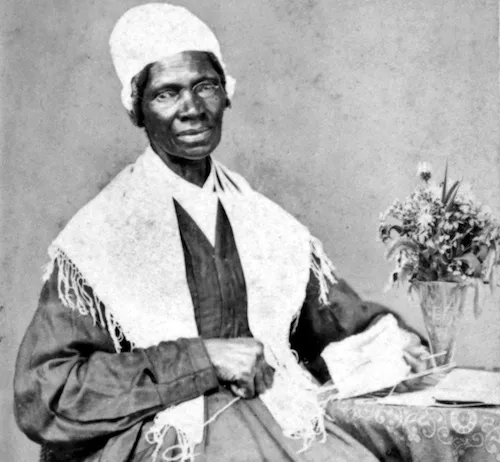
From Enslavement to Self-Emancipation
Sojourner Truth was born Isabella Baumfree around 1797 in Ulster County, New York, enslaved by Dutch-speaking slaveholders. Sold multiple times as a child, she endured physical violence, forced labor, and the trauma of having family members sold away from her, a common but devastating reality of slavery.
In 1826, one year before slavery was fully abolished in New York, she walked away from bondage with her infant daughter. It was not a legal escape, it was an act of faith and defiance. She later sued and won the return of her son, becoming one of the first Black women in U.S. history to win a case against a white man in court.
That victory marked the beginning of a larger mission.
A New Name, A New Calling
In 1843, Isabella Baumfree renamed herself Sojourner Truth, believing she had been called by God to travel the country and speak the truth about injustice. “Sojourner” reflected her mission to journey, and “Truth” represented the message she carried, uncompromising and unapologetic.
Illiterate but electrifying, Truth possessed a presence that commanded rooms. Her speeches blended spiritual authority, lived experience, and razor-sharp logic. She did not need formal education to dismantle flawed arguments about race and gender, her life was the evidence.
“Ain’t I a Woman?”, A Moment That Shook America
Truth’s most famous speech, delivered at the 1851 Women’s Rights Convention in Akron, Ohio, challenged both racism and sexism head-on. At a time when women’s rights discussions often excluded Black women, Truth demanded recognition with one unforgettable question: Ain’t I a Woman?
She exposed the hypocrisy of a society that denied women equality while exploiting Black women’s labor, bodies, and resilience. Her words forced America to confront a truth it preferred to avoid, that freedom could not be selective.
The speech became a cornerstone of both the abolitionist and women’s rights movements.
A Leader Without Permission
Sojourner Truth did not wait for approval from political leaders, religious institutions, or reform organizations. She spoke where she was invited, and where she was not. She confronted hostile crowds, challenged prominent abolitionists, and even met with President Abraham Lincoln during the Civil War.
She advocated for the enlistment of Black soldiers, land grants for formerly enslaved people, and economic independence for Black Americans long before these ideas gained mainstream acceptance.
Truth understood that freedom without opportunity was incomplete.
What Many People Don’t Know About Sojourner Truth
Despite her iconic status today, Sojourner Truth lived most of her life in poverty. She earned money by selling photographs of herself, an early example of self-branding, to fund her activism.
She also faced resistance from within reform movements, particularly when her presence made white allies uncomfortable. Even then, she never softened her message to maintain acceptance.
Her power came not from institutions, but from conviction.
A Legacy That Still Speaks
Sojourner Truth died in 1883, but her influence remains deeply woven into American history. She redefined what leadership looked like for Black women, proving that lived experience could be as powerful as formal education, and that moral clarity could disrupt entire systems.
Her life reminds us that progress often begins with those society tries hardest to silence.
Sojourner Truth did not just speak for herself, she spoke for generations who were denied a voice. And in doing so, she changed the course of American freedom forever.