

Jackie Robinson: The Man Who Changed Baseball, and America, Forever

Share
Jackie Robinson is remembered not simply as a baseball legend, but as a transformative figure whose courage altered the trajectory of American sports and accelerated the nation’s reckoning with racial inequality.
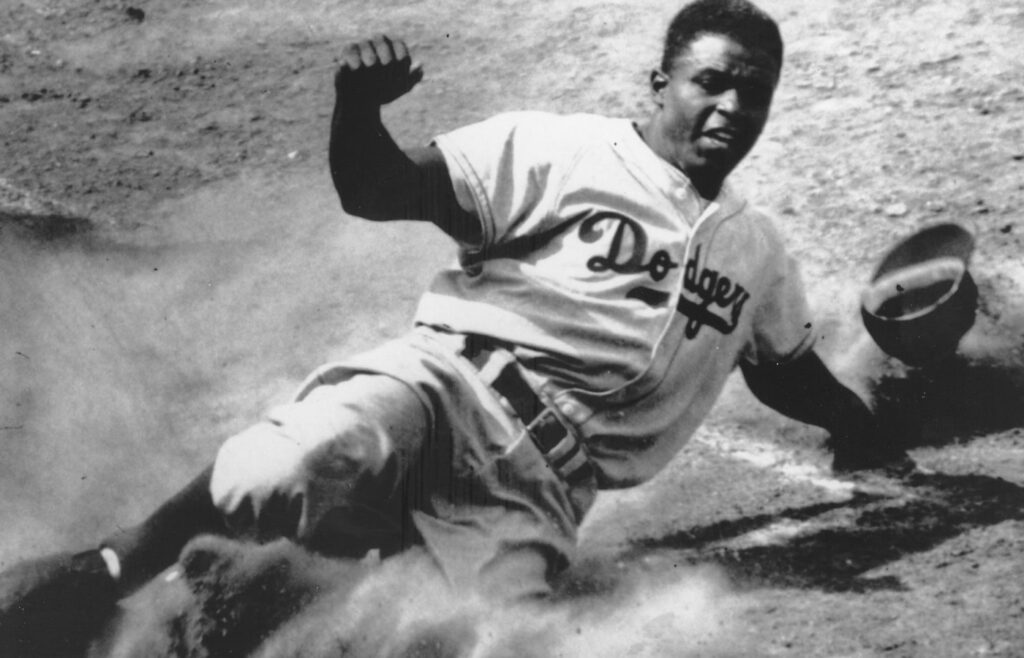
Born on January 31, 1919, in Cairo, Georgia, Robinson grew up in Pasadena, California, where he excelled in multiple sports. At UCLA, he became the first athlete in school history to letter in four sports, baseball, football, basketball, and track, an early signal of his exceptional talent and discipline.
But Robinson’s defining moment came in 1947, when he joined the Brooklyn Dodgers, becoming the first Black player in Major League Baseball in the modern era. The achievement was historic, but the cost was immense. Robinson endured relentless racism from fans, opponents, and even teammates. Death threats, slurs, and deliberate attempts to injure him were common.
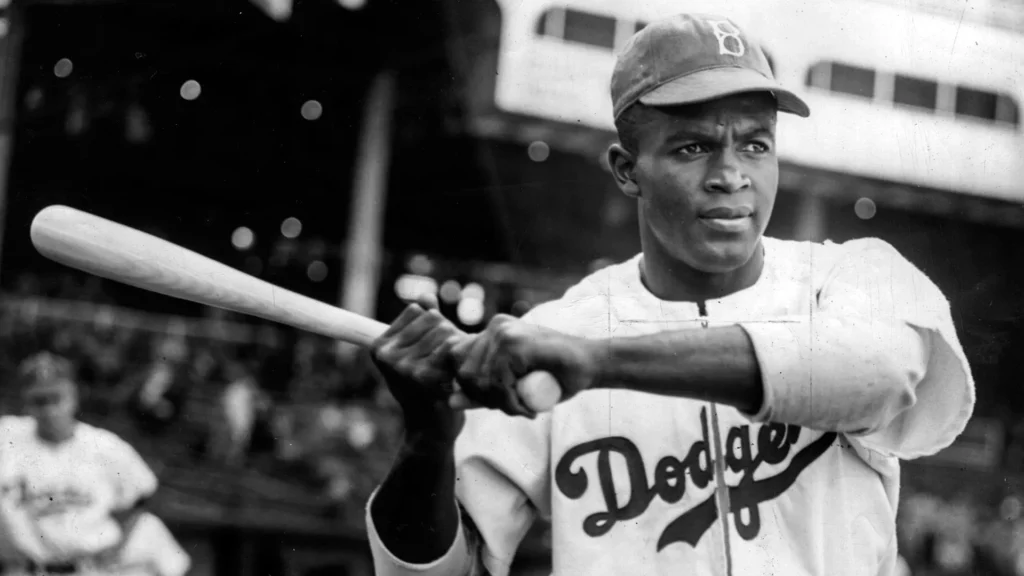
What made Robinson extraordinary was not just his athletic ability, but his restraint. Dodgers executive Branch Rickey recruited Robinson precisely because he believed Robinson had the strength to withstand abuse without retaliating, at least initially. Robinson’s quiet resilience forced America to confront the cruelty of segregation on one of its most visible stages.
On the field, Robinson delivered excellence. He won Rookie of the Year in 1947, National League MVP in 1949, and helped lead the Dodgers to six World Series appearances. His aggressive base-running, intelligence, and leadership reshaped the way baseball was played.

Off the field, Robinson refused to be silent. After retiring, he became an outspoken advocate for civil rights, economic justice, and Black political participation. He challenged presidents, criticized slow progress, and pushed Major League Baseball to expand opportunities for Black executives and coaches, not just players.
Jackie Robinson died in 1972 at the age of 53, but his legacy continues to reverberate. Every April 15, MLB honors his impact by retiring his jersey number, 42, across the league, a symbol of both athletic greatness and moral courage.
Robinson’s life reminds us that progress often comes at a personal cost, and that real change requires both talent and unwavering resolve.