


Offset: Music, Money, and the Lifestyle of a Modern Hip-Hop Icon

Share
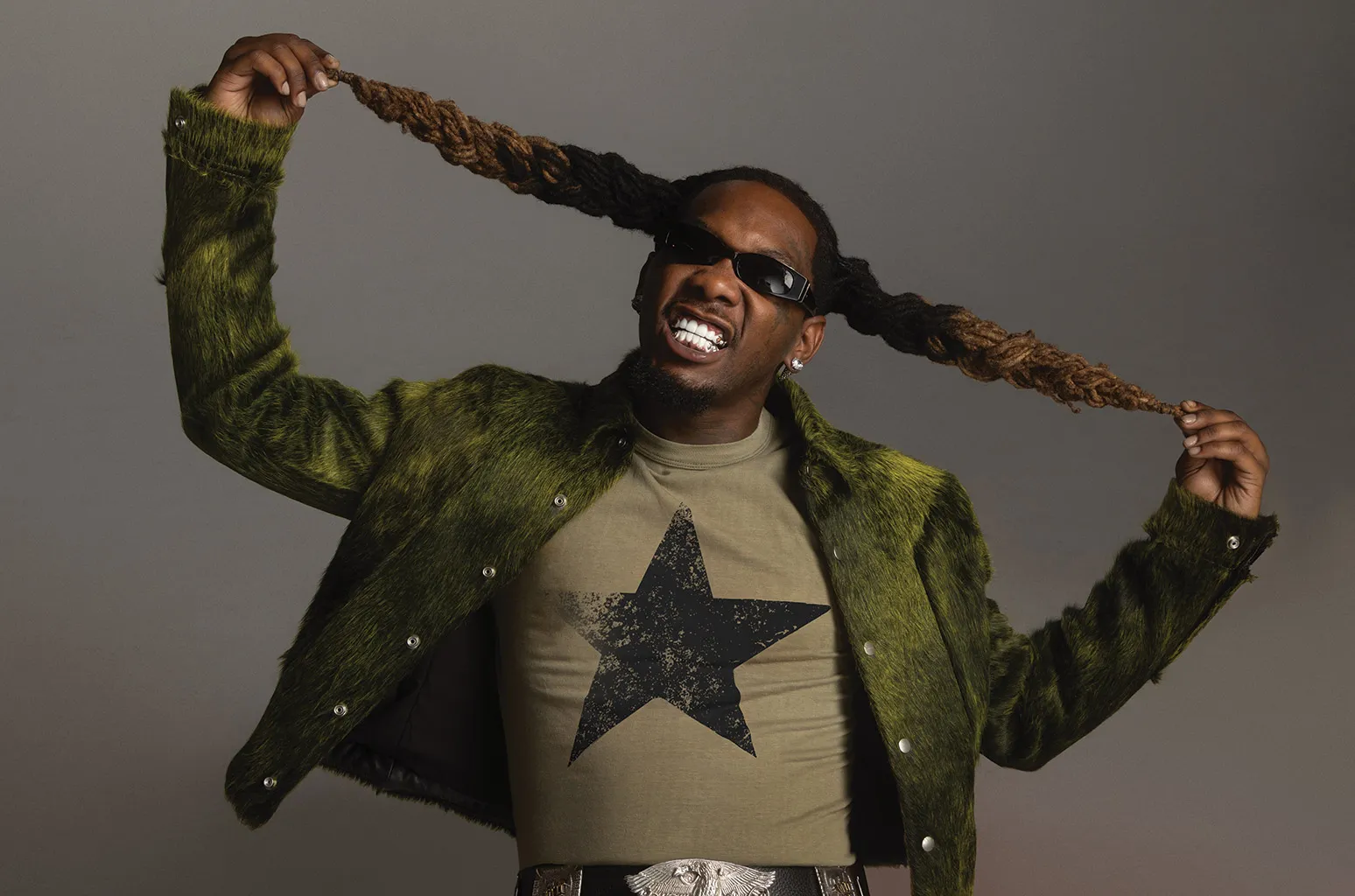
Offset has built a career that reflects the modern arc of hip-hop success: raw beginnings, cultural dominance, personal turbulence, and constant reinvention. Rising from Atlanta’s vibrant rap scene as one-third of the chart-topping group Migos, Offset has become more than a hitmaker. He is a global brand whose music, fashion sense, and lifestyle symbolize the reach and complexity of today’s Black artistry.
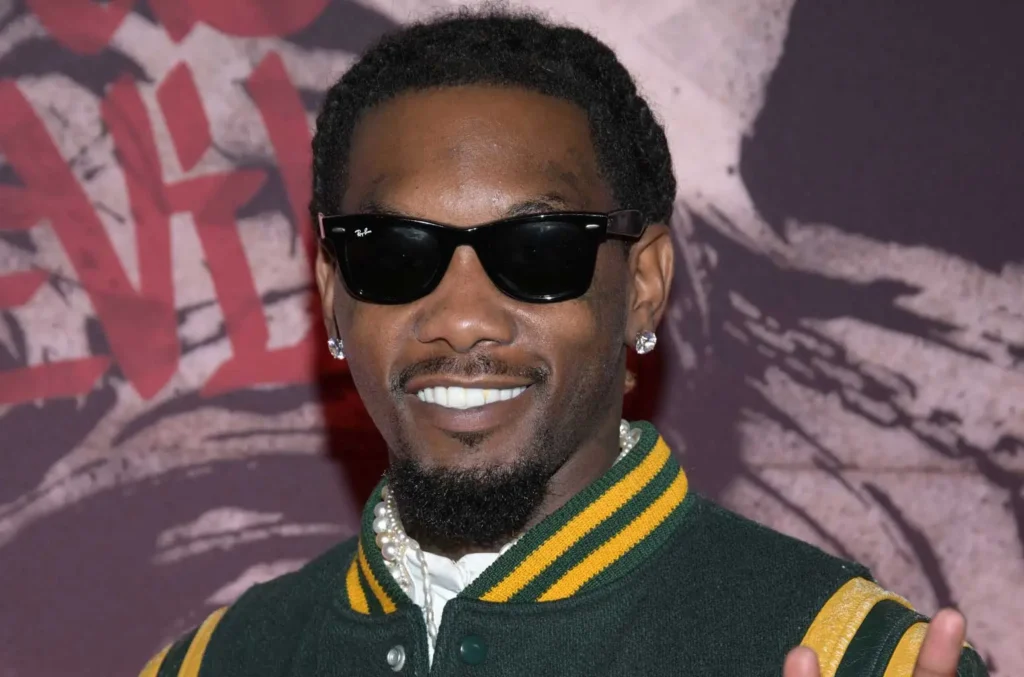
Born Kiari Kendrell Cephus, Offset came up in Lawrenceville, Georgia, where music became both an escape and a blueprint for survival. Alongside Quavo and Takeoff, Migos reshaped the sound of mainstream rap in the 2010s with their signature triplet flow, street-centered storytelling, and undeniable chemistry. Albums like Culture didn’t just dominate charts; they shifted the direction of hip-hop itself, influencing an entire generation of artists.
Offset’s lyrical approach has always blended confidence with vulnerability. While Migos were often associated with flashy success and infectious hooks, Offset consistently stood out for his sharper delivery and emotional range. That depth became more visible in his solo work, particularly on projects that explored loyalty, fatherhood, grief, and personal accountability. His music reflects a man shaped by fame but still grounded in the realities that formed him.
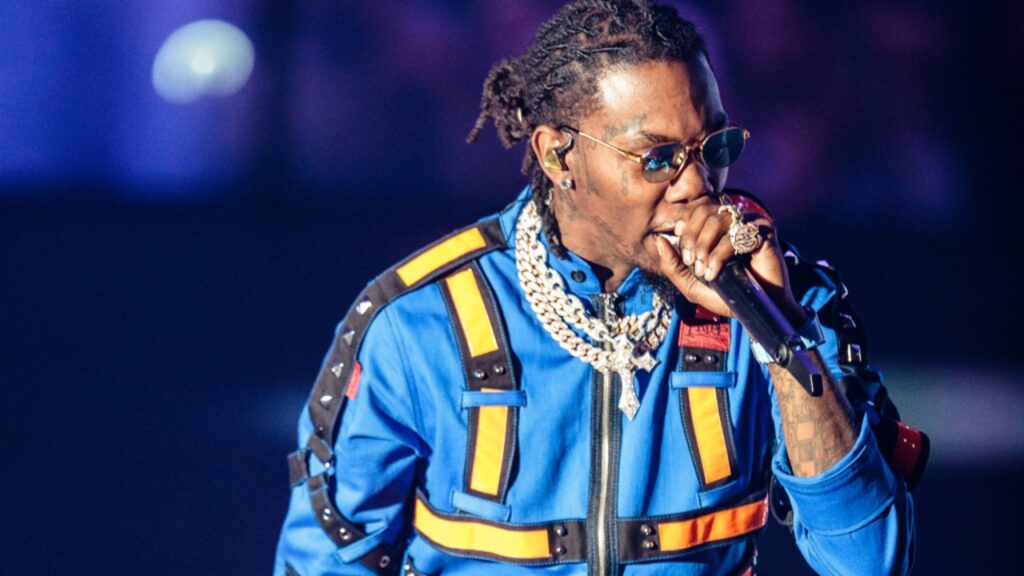
Beyond the studio, Offset’s lifestyle mirrors hip-hop’s long relationship with luxury as a symbol of triumph. Known for his love of high fashion, exotic cars, and custom jewelry, Offset moves comfortably between rap culture and elite fashion circles. His presence at Paris Fashion Week and collaborations with luxury brands highlight how hip-hop artists now occupy spaces once closed to Black creatives.
Yet Offset’s lifestyle is not defined by excess alone. He has spoken openly about the responsibilities that come with success, particularly as a father. His role as a parent has influenced both his public image and his music, adding layers of maturity to an artist once defined solely by youthful bravado. Personal loss, including the death of Takeoff, has further shaped his perspective, marking a turning point in how he approaches both life and art.
Offset’s influence also extends into business and cultural leadership. Like many modern Black entertainers, he has leveraged his platform to build wealth beyond music, understanding that longevity in hip-hop now requires ownership, diversification, and strategic branding. His journey reflects a broader shift in Black music culture, where artists are not just performers but architects of their own empires.
In an industry that often moves on quickly, Offset has remained relevant by evolving. His music continues to resonate, his style continues to set trends, and his lifestyle tells a larger story about Black success in America, one rooted in creativity, resilience, and self-definition.
Offset stands today as a representation of hip-hop’s present and future: an artist shaped by the streets, refined by global influence, and aware that legacy is built not just on hits, but on growth.