How 50 Cent and Netflix Acquired Footage for the Diddy Documentary, Amid Legal Dispute

Share
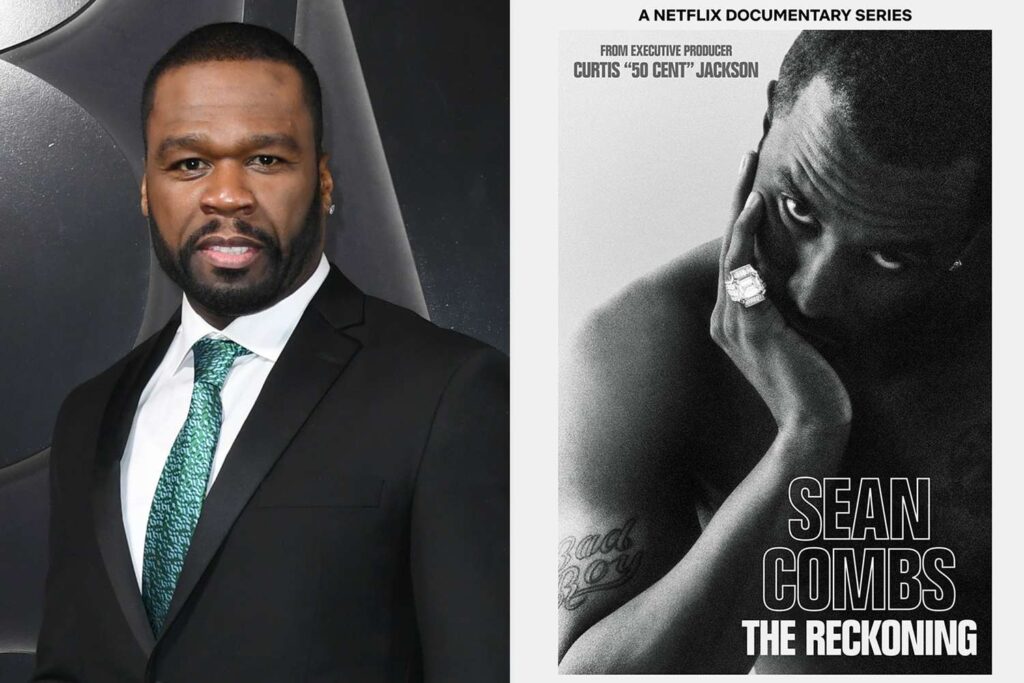
Netflix’s new four-part documentary series Sean Combs: The Reckoning has sparked fierce debate over the origins of previously unseen footage of Sean “Diddy” Combs, including intimate recordings from the days leading up to his September 2024 arrest and subsequent conviction. While executive producer Curtis “50 Cent” Jackson and Netflix maintain the material was obtained legally, Combs and his legal team are challenging that assertion, describing some of the clips as unauthorized and threatening legal action.
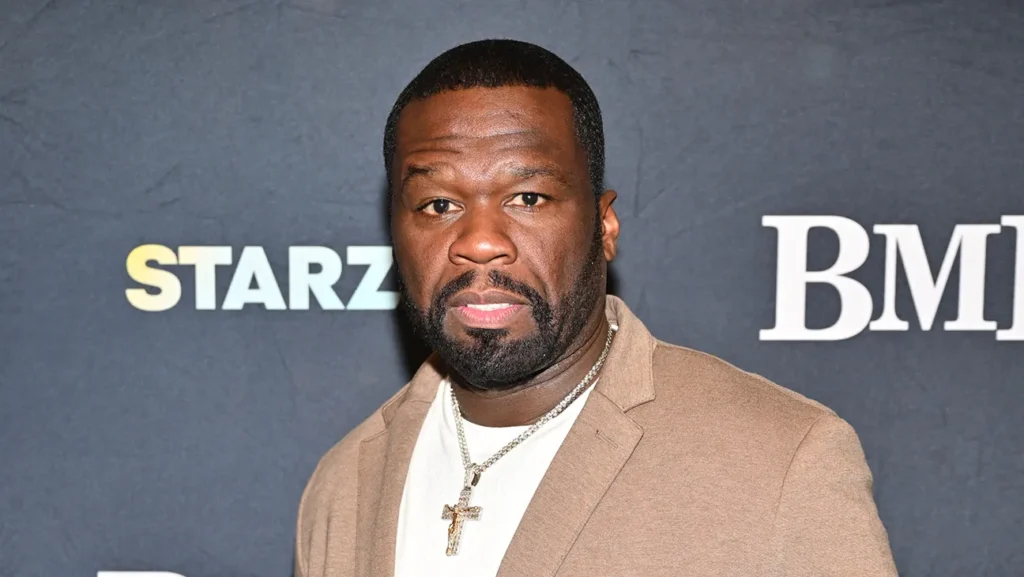
The series, directed by Alexandria Stapleton and streaming on Netflix, includes footage that captures Combs in a New York City hotel room in the days before his arrest, speaking with legal counsel and associates. The inclusion of these clips has prompted a contentious dispute over whether the documentary’s creators had the right to use them.
According to statements from Netflix and Stapleton, the footage was acquired legitimately and with all necessary rights. Stapleton told Netflix’s Tudum publication that the production team “obtained the footage legally and have the necessary rights” to include it in the series. She noted the filmmakers worked to keep the identity of the original source confidential and reached out to Combs’ legal representatives for comment before release, though they did not receive a response. Stapleton also highlighted that Combs himself frequently recorded his life and activities over the decades, which contributed to the availability of such material.
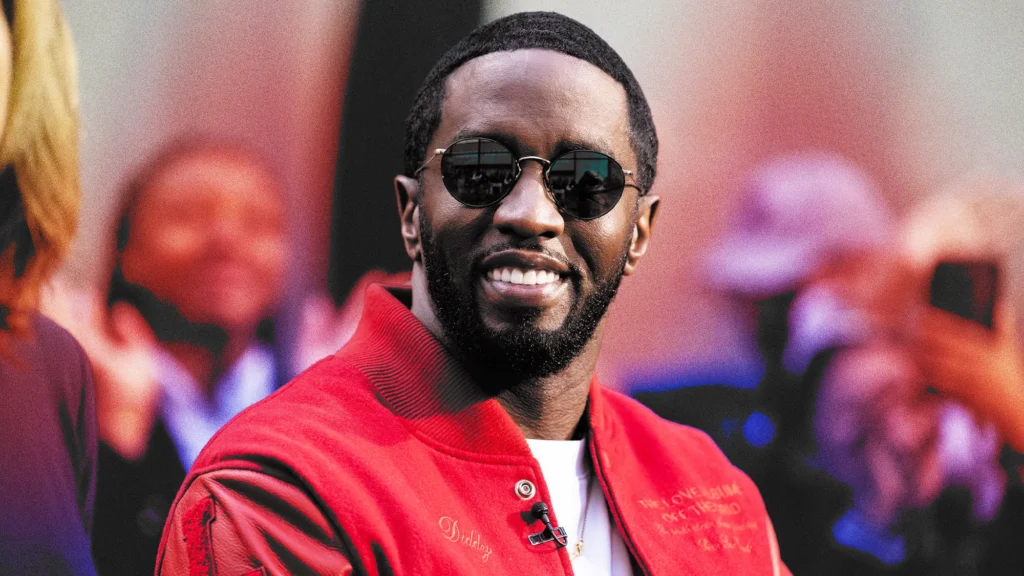
Despite this explanation, Combs’ lawyers have publicly condemned the documentary and issued a cease-and-desist letter to Netflix, alleging that some of the material was “stolen” and not authorized for release. Spokespeople for Combs have argued that he had been assembling his own documentary over many years, and that the footage was not intended for this project, characterizing the inclusion as unlawful and part of what they described as a “shameful hit piece” by Netflix.
Entertainment figures close to the situation have offered additional perspectives. Former bodyguard Roger Bond and ex-publicist Rob Shuter have claimed that some of the footage may have entered the open market because Combs allegedly did not formalize or honor contracts with videographers who recorded him. According to these accounts, independent videographers who filmed Combs at various events, including the days before his arrest, retained rights to their work and were free to sell it to interested parties, which may have allowed Netflix to legally secure the clips. Netflix, they insist, purchased rights from those parties rather than taking the material directly from Combs or his team.
Public reaction has been mixed, with some viewers expressing skepticism about the ethics of using footage shot under personal circumstances. Others have pointed out that the documentary includes on-screen disclaimers indicating when and how specific clips were sourced and that legal teams would have vetted all material before broadcast.
Both sides of the dispute underscore broader questions about ownership, consent, and transparency in documentary filmmaking, especially when the subject is a high-profile individual with significant personal and financial stakes in how their life is portrayed.
As the controversy unfolds, Combs’ legal team has hinted at potential further legal actions against Netflix and associated parties, though no formal lawsuit over the documentary’s footage has yet been filed. Netflix and the documentary’s producers, for their part, continue to defend the project’s integrity, maintaining that all material was sourced and cleared in accordance with applicable laws and rights agreements.