How the Great Migration Transformed Black Life in America

Share
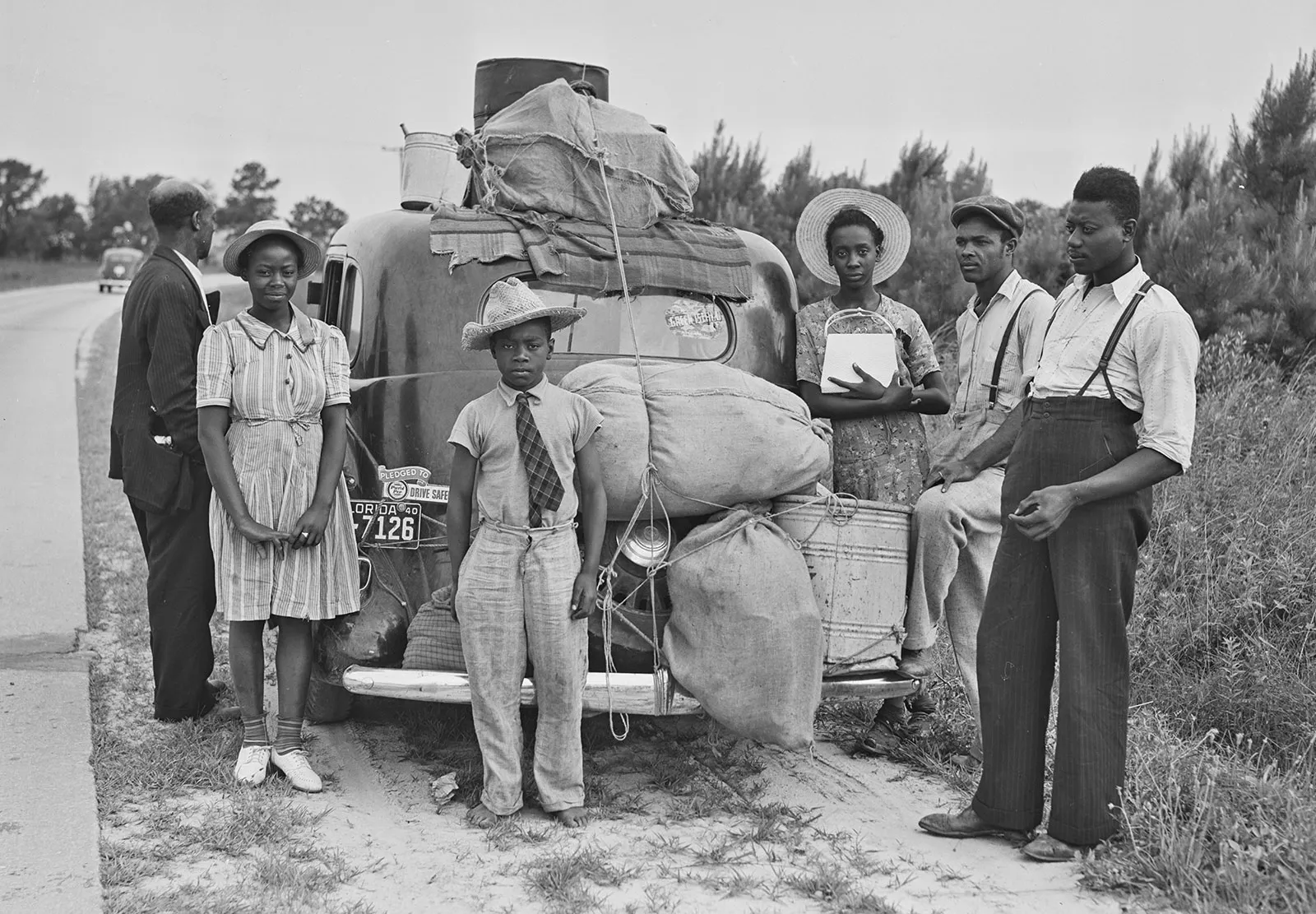
When we talk about the movements that shaped Black America, we often highlight the Civil Rights Movement, the Harlem Renaissance, or the era of Reconstruction. But one of the most misunderstood and yet most transformative forces in Black history is the Great Migration, the massive relocation of more than six million African Americans from the rural South to cities in the North, Midwest, and West between 1915 and 1970.
This movement wasn’t just about geography. It was about survival, reinvention, and the relentless pursuit of freedom in a country determined to restrict it.
Why Black Families Left the South: The Push and the Pain
The Great Migration didn’t happen in a vacuum. It was fueled by the unbearable pressure of Southern life, an environment built on Jim Crow segregation, racial violence, lynchings, debt peonage, stolen wages, and sharecropping systems designed to keep Black families trapped for generations.
Black people weren’t just leaving the South.
They were escaping it.
Entire communities were pushed out by:
• Racial terror
The South offered no legal protection against violence. Lynching was a public spectacle, and law enforcement often participated in or protected the attackers.
• Economic exploitation
Sharecropping kept Black families in cycles of debt that ensured farmers worked all year, only to earn nothing after landowners “balanced the books.”
• Political disenfranchisement
Voter suppression, poll taxes, literacy tests, and outright intimidation wiped out the power Black communities had gained during Reconstruction.
For millions, staying meant dying poor, oppressed, or violently. Leaving meant a chance, not a guarantee, but a chance, at something better.
The North Offered Opportunity, and Its Own Challenges
When Black families boarded trains heading toward Chicago, Detroit, New York, Philadelphia, Cleveland, Los Angeles, or Oakland, they carried hope, faith, and the promise of factory jobs from booming wartime industries.
But they also entered cities that were largely unprepared, and unwilling, to accommodate them.
What they found in the North:
- Better wages compared to the South
- Union jobs in factories, steel mills, auto plants, and shipyards
- Public schools with more resources
- The ability to vote and participate in politics
- Greater personal safety
At the same time, Northern racism created new versions of segregation, redlining, restrictive covenants, segregated schools, and discriminatory policing.
Still, compared to the South, the North offered a kind of breathing room many Black families had never known.
The Great Migration Rewired Black Identity and American Culture
The impact of this move reshaped everything from culture to politics to economics, not just for Black people, but for the nation.
1. The Harlem Renaissance
Black intellectuals, artists, and musicians created an explosion of creativity that redefined global culture.
Without the Great Migration, there would be no:
- Langston Hughes
- Zora Neale Hurston
- Duke Ellington
- Billie Holiday
- The Cotton Club
- A global birthplace for Black art and music
2. Political Power Took Root
By moving to swing states and major urban centers, African Americans built political blocs that eventually fueled:
- The rise of Black mayors
- The Black labor movement
- Civil Rights legislation
- Voting shifts that reshaped presidential elections
3. A New Black Middle Class Emerged
Factory wages allowed families to buy homes, send children to college, and create generational wealth in ways impossible in the South.
4. Black Urban Culture Was Born
The Great Migration influenced:
- Gospel and blues evolving into soul, jazz, and eventually hip-hop
- The development of Black-owned newspapers, businesses, and community institutions
- New forms of activism, community organizing, and labor power
5. Families Were Transformed for Generations
The migration shifted family structures and expanded horizons. Children who grew up in the North had broader career opportunities and access to cultural experiences that shaped new understandings of Black American identity.
The Great Migration Was Not Just a Movement, It Was a Revolution
It was the largest internal mass movement in U.S. history.
It redefined what it meant to be Black in America.
It reshaped cities, culture, politics, and power.
Most importantly:
It was a bold collective act of self-determination.
Millions of African Americans rejected a country that tried to cage them and carved out new lives in places that never imagined they’d arrive. The Great Migration proved that Black mobility is both a form of protest and a declaration of humanity, a movement that continues to echo in Black life today.