The New Civil Rights Movement: How Young Activists Are Redefining Justice in America

Share
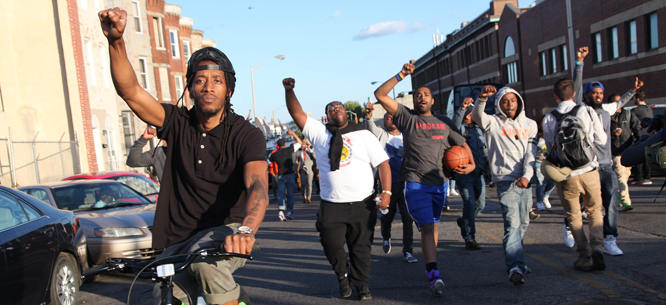
Ongoing issues of policing, voting rights, and social justice keep this movement urgent and relevant.
America is witnessing a new wave of civil rights activism, led not by the veterans of the 1960s but by a young, digitally connected generation. These activists are reshaping how justice is pursued, blending traditional advocacy with social media campaigns, grassroots organizing, and bold legal challenges. Their mission: to confront systemic inequality, challenge unfair policies, and redefine what justice looks like in 2025 and beyond.
Policing and Accountability
Police brutality remains a central issue. Young activists are:
- Documenting incidents of misconduct through video and social platforms.
- Organizing local and national campaigns demanding accountability and transparency.
- Advocating for policies like body cameras, independent oversight boards, and de-escalation training.
This generation is using technology as a tool for justice, turning viral moments into systemic change.
Voting Rights and Political Engagement
Young activists recognize that voting power is central to civil rights:
- They fight against voter suppression laws that disproportionately affect Black communities.
- Organizing registration drives, educational campaigns, and turnout initiatives during elections.
- Using digital platforms to mobilize thousands of young voters who previously felt disenfranchised.
Their work underscores the truth: political engagement is a critical form of civil rights activism in modern America.
Social Justice Across Communities
Beyond policing and voting, young activists are tackling:
- Economic justice: advocating for equitable wages, access to jobs, and support for Black-owned businesses.
- Education equity: challenging underfunded schools and pushing for curriculum inclusivity.
- Criminal justice reform: addressing sentencing disparities and mass incarceration.
- Environmental justice: connecting climate and public health issues to systemic inequities.
Their approach is intersectional, acknowledging that justice cannot exist in isolation, it must be holistic and inclusive.
The Role of Digital Platforms
Social media has transformed activism:
- Movements like Black Lives Matter have proven that viral awareness can create real-world consequences.
- Young activists use Instagram, TikTok, and Twitter to amplify issues, hold leaders accountable, and educate communities.
- Hashtags, campaigns, and live streams are modern megaphones for civil rights advocacy.
This new strategy allows them to reach wider audiences faster than ever before, creating global solidarity around local issues.
Challenges and Criticism
Despite their progress, young activists face challenges:
- Pushback from political and law enforcement institutions.
- Media misrepresentation and public skepticism about their methods.
- Resource limitations, especially for grassroots campaigns.
Yet, their resilience reflects a commitment to transformative justice, not just performative activism.
Why This New Civil Rights Movement Matters
The young activists of today are building the next generation of social change leaders. Their work demonstrates that:
- Justice is ongoing, not achieved by past legislation alone.
- Grassroots action combined with digital strategy can influence policy and perception.
- Intersectionality strengthens advocacy, ensuring that all marginalized voices are represented.
America’s civil rights struggle continues, but the energy, innovation, and courage of young Black activists show that the fight for equality is alive and evolving.