


Why Many Black Americans Still Feel Distrust Toward U.S. Institutions, And How We Fix It

Share
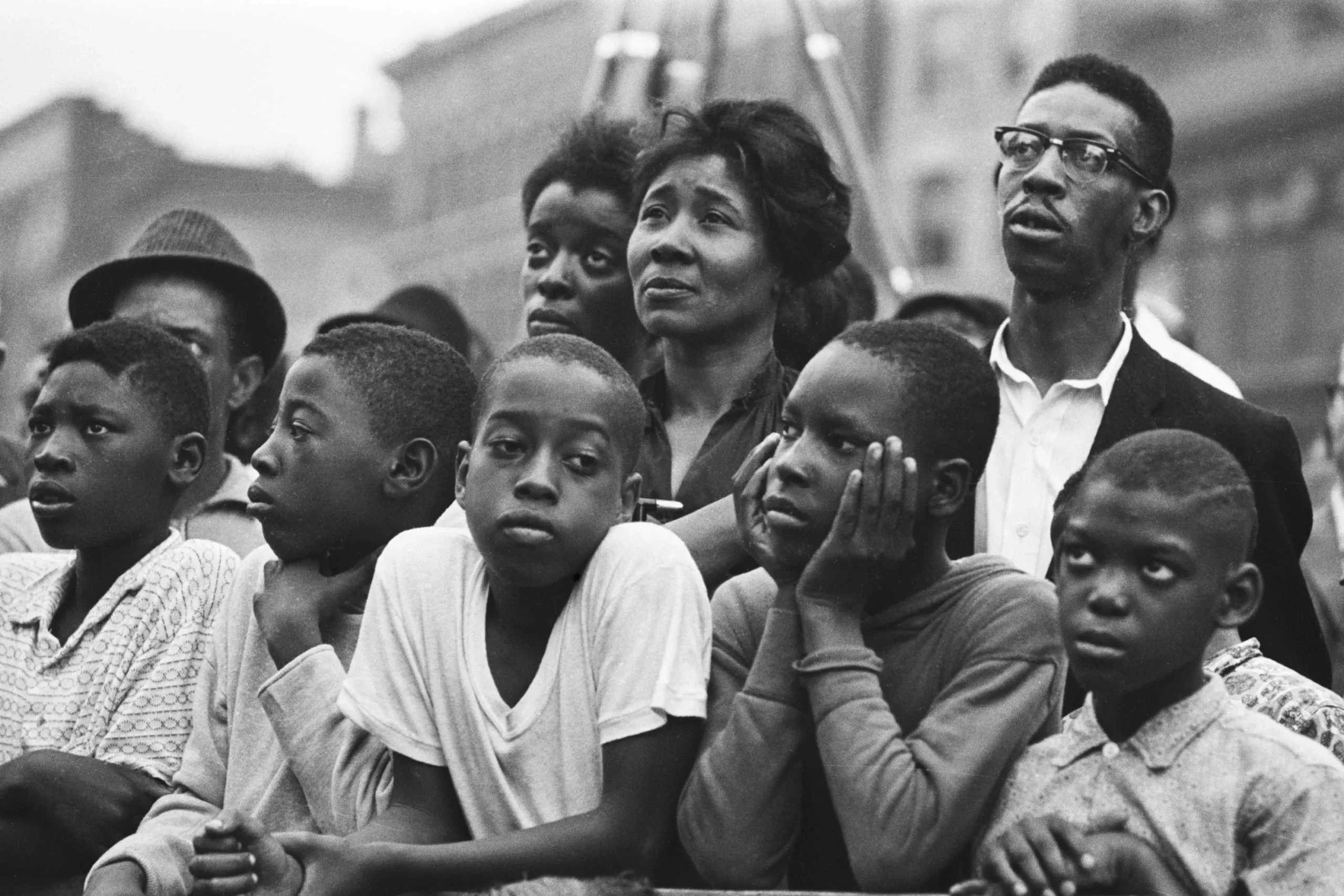
Generations of Black Americans have carried a deep, understandable mistrust toward U.S. institutions, from law enforcement and government to health systems, schools, and even the financial sector. This sentiment isn’t based on myth or exaggeration. It’s rooted in a long history of discrimination, abuse, broken promises, and systems that too often failed to protect Black lives.
Even today, surveys show that Black Americans consistently express lower trust in police, hospitals, courts, and federal agencies than most other racial groups. And when you look at the lived experiences behind those numbers, the reasons become painfully clear.
For many, distrust begins with history: slavery, Reconstruction’s broken promises, Jim Crow, and decades of government-sanctioned discrimination created a legacy of trauma that institutions have never fully repaired. Modern-day incidents, from police killings to voter suppression efforts to health disparities highlighted during COVID, reinforce the belief that fairness still isn’t guaranteed. Policies may improve, but lived reality often tells a different story.
In policing, many Black communities experience over-surveillance yet under-protection. In healthcare, Black patients face higher maternal mortality rates, unequal treatment, and often have their pain dismissed. In education, Black children face harsher discipline and underfunded schools. In the justice system, sentencing disparities and mass incarceration speak louder than any statement of equality under the law. When institutions repeatedly fail to deliver fairness, trust breaks, sometimes for generations.
Fixing this requires more than statements or diversity pledges. It demands structural change. The first step is acknowledgment: institutions must openly recognize historical harm and current disparities. Without honesty, healing isn’t possible. Next, accountability must be real and consistent. Whether it’s police misconduct, biased medical care, or discriminatory housing practices, consequences, not excuses, rebuild credibility.
Representation also matters. When Black Americans see themselves in leadership roles across government, policing, education, and healthcare, trust grows. But representation alone isn’t enough. Institutions must share power, not just invite presence. That includes community-driven policy making, investment in Black neighborhoods, and transparent decision-making processes that involve the people they affect most.
Finally, equity must become the standard, not an initiative. That means equal access to quality healthcare, fair lending, voting protections, well-funded public schools, and justice that applies to everyone.
Rebuilding trust won’t happen overnight. But with honesty, accountability, and the collective will to dismantle long-standing inequities, U.S. institutions can begin to earn the trust that has been lost. Black Americans haven’t given up on this country, they’ve held it accountable. And the path forward requires institutions to finally meet that responsibility.