


Viola Davis: A Legacy of Power, Purpose, and Unmatched Talent

Share
Viola Davis: A Legacy of Power, Purpose, and Unmatched Talent
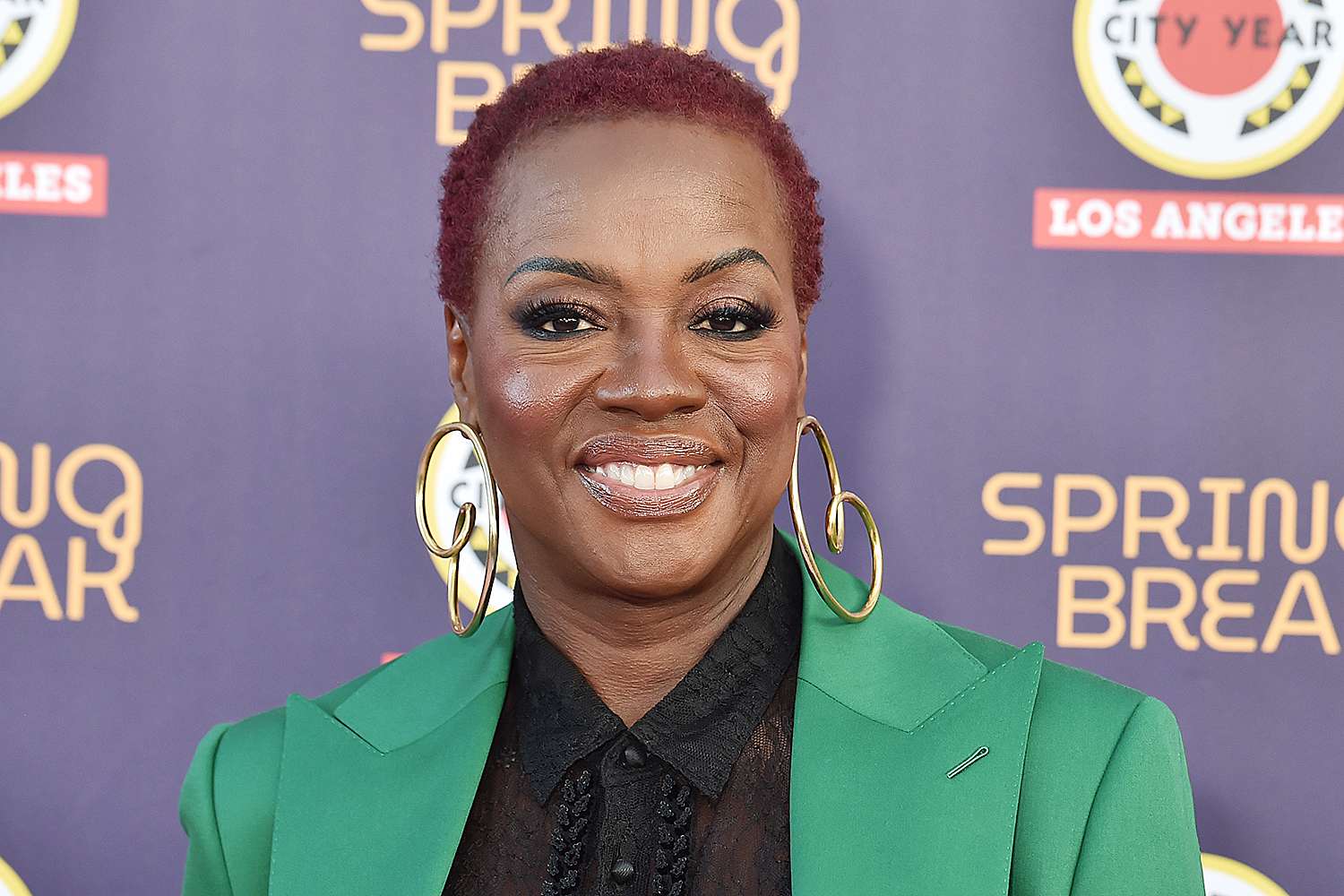
Viola Davis stands among the greatest actors of her generation, a performer whose emotional depth, authenticity, and resilience have reshaped Hollywood’s standards. Born on August 11, 1965, in St. Matthews, South Carolina, and raised in Central Falls, Rhode Island, Davis’ rise to fame is a testament to perseverance and self-belief.
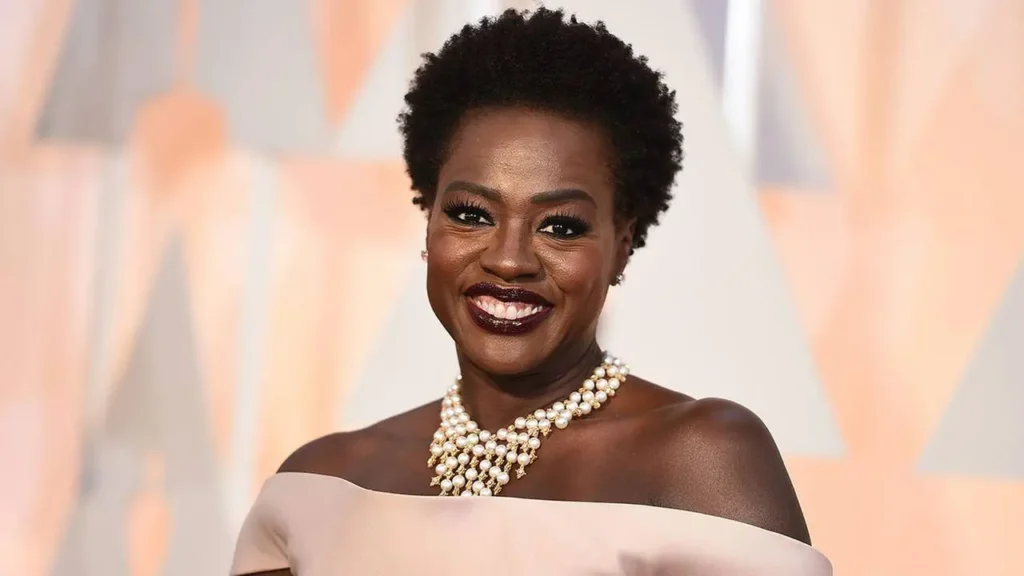
Growing up in poverty, Viola’s early life was marked by struggle. Yet, she found refuge in acting, a calling that led her to Rhode Island College and later to Juilliard, where she honed her craft with unmatched discipline. Her journey from those humble beginnings to Hollywood royalty embodies the essence of Black excellence.
Davis’ breakout came on the Broadway stage, where her performances earned her critical acclaim and Tony Awards. She seamlessly transitioned to film, delivering unforgettable roles in Doubt (2008), The Help (2011), and Fences (2016). Her work in Fences not only earned her an Academy Award but cemented her as one of the few performers to achieve the coveted EGOT status, winning an Emmy, Grammy, Oscar, and Tony Award.
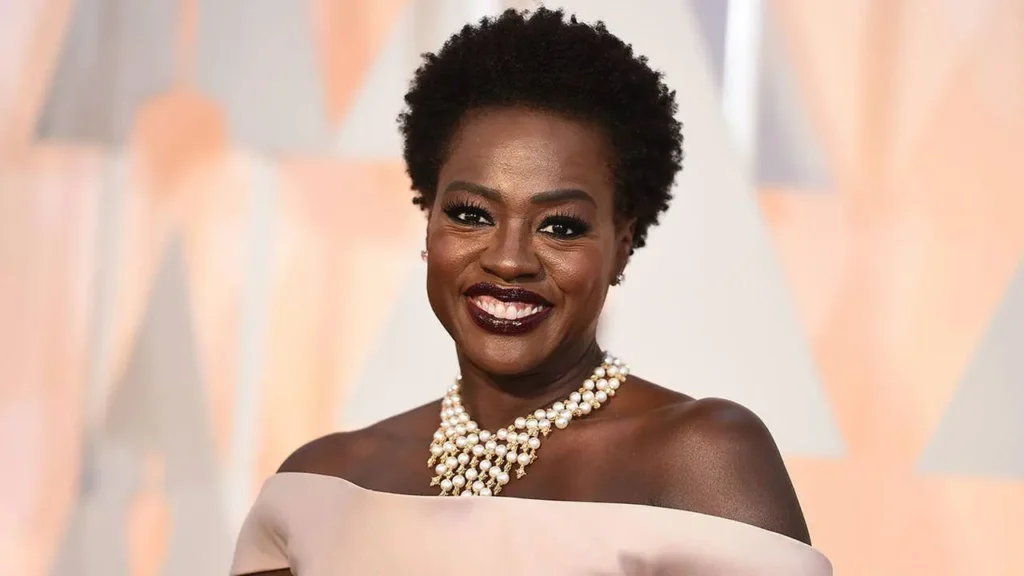
Her role as Annalise Keating in ABC’s How to Get Away with Murder broke barriers, making her the first Black woman to win the Emmy for Outstanding Lead Actress in a Drama Series. On screen, she commands power; off screen, she commands respect.
Beyond acting, Viola Davis uses her platform to advocate for racial equality, women’s rights, and diversity in entertainment. Her 2022 film The Woman King showcased Black female strength and leadership, while her memoir Finding Me inspired millions to embrace vulnerability as power.
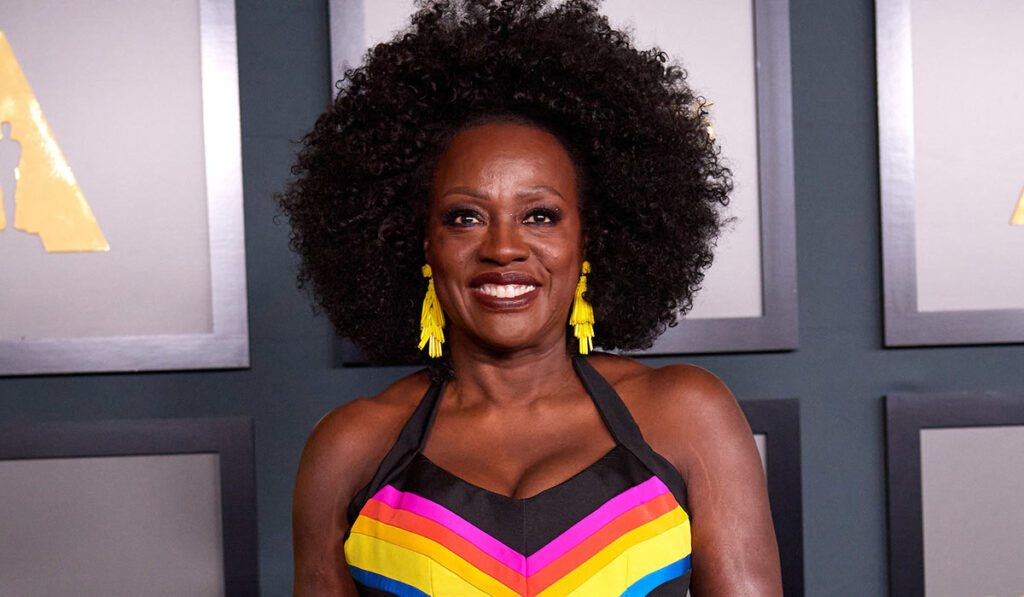
Viola Davis’ story isn’t just one of talent, it’s a reminder that representation matters, and that greatness is born from struggle, grace, and relentless determination. She continues to stand as a role model for generations, redefining what it means to be a Black woman at the pinnacle of success.