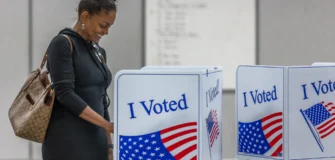


Who Really Won the Shutdown Battle, Trump or Congress?

Share
After the government officially reopened, Washington is still debating one question: who really won the shutdown battle, President Trump or Congress?
For weeks, the shutdown tested every branch of government, disrupted millions of lives, and sparked frustration across the nation. When the final deal passed, both sides claimed victory, but the political math tells a more complex story.
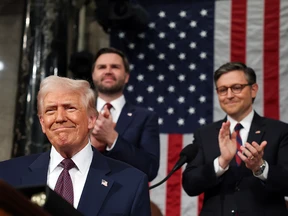
President Trump’s Strategic Win, Short-Term Relief, Long-Term Risk
President Trump’s supporters argue that he maintained leverage throughout the standoff by refusing to fold early. The final compromise kept key elements of his fiscal agenda intact, including short-term spending limits and a delay in major subsidy votes, which Trump’s team described as “responsible budgeting.”
However, political analysts note that the shutdown also hurt the president’s approval ratings among moderate voters. The White House now faces the challenge of converting a tactical win into long-term policy success before the next election cycle.
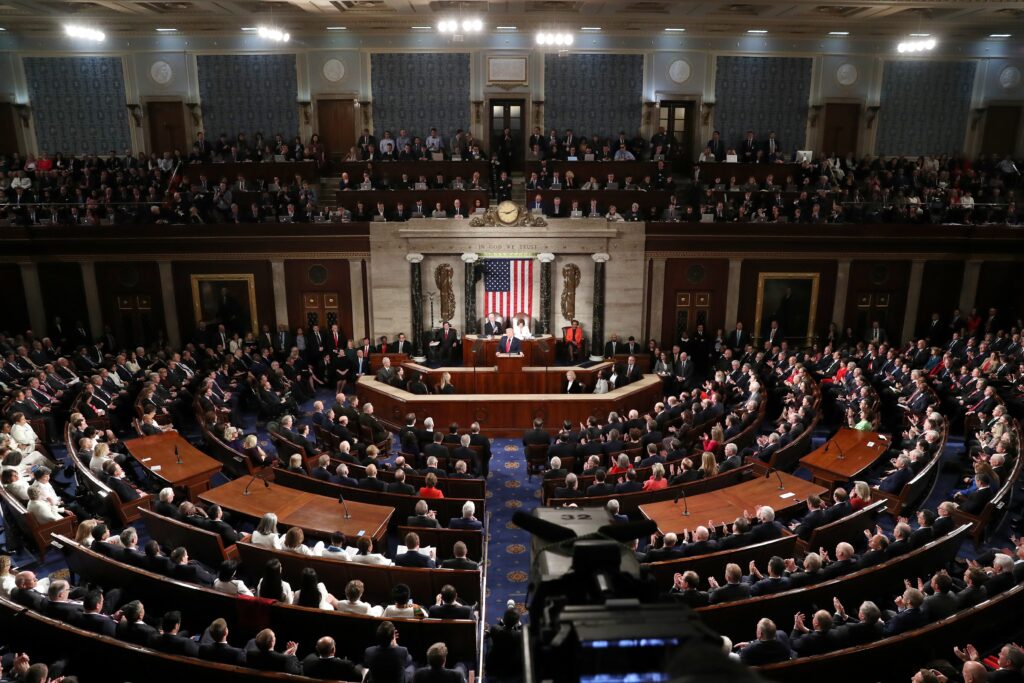
Congress’s Bipartisan Pushback
Congress, on the other hand, showed rare unity across party lines. Eight Senate Democrats broke ranks to vote for reopening, while several moderate Republicans supported compromise language to get the government functioning again
This bipartisan move helped Congress reassert some of its constitutional power over budget decisions, signaling that, at least for now, legislative negotiation can still check executive authority. Yet, the divisions inside both parties remain sharp. Progressives criticized the deal for “giving up too much,” while fiscal conservatives argued it “didn’t cut enough.”
The Public’s Verdict: No Real Winners
Polls following the shutdown show widespread public frustration with both sides. According to early data from CNN and Reuters, more than 70% of Americans viewed the shutdown as “avoidable,” and only 18% said they trusted Washington to handle future funding negotiations responsibly.
The economic toll, from delayed paychecks to stalled business contracts, may overshadow any political gains. Voters are likely to remember the disruption more than the details of the final bill.
What Comes Next
With the government reopened temporarily, a new round of budget talks looms in just weeks. If Washington fails to reach a longer-term agreement, another shutdown could occur early next year, a scenario that neither Trump nor Congress can afford politically.
As it stands, both sides can claim partial victories: Trump held firm on spending control, and Congress forced a compromise that got Americans back to work. But to most Americans, the only real victory will be preventing another shutdown altogether.