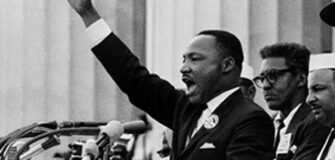


Booker T. Washington: The Educator Who Built a Path to Black Empowerment During the Jim Crow Era

Share
Booker T. Washington was one of the most influential figures in post-Reconstruction America, a man whose belief in education, discipline, and economic independence helped shape the future of Black progress during one of the most oppressive periods in U.S. history.
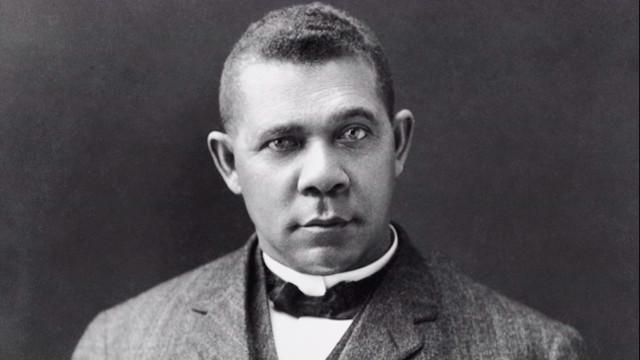
Born into slavery in 1856 in Virginia, Washington experienced firsthand the brutality and limitations imposed on African Americans in the South. Yet, after emancipation, he pursued education with unwavering determination, walking hundreds of miles to attend the Hampton Normal and Agricultural Institute, a decision that would change his life and eventually impact millions.
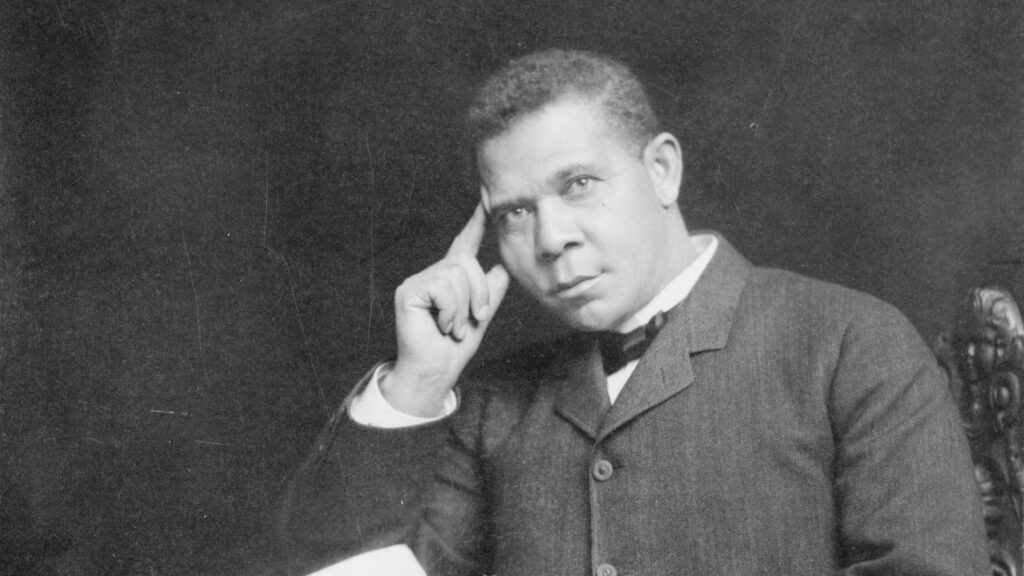
In 1881, Washington founded the Tuskegee Normal and Industrial Institute (now Tuskegee University) in Alabama. His vision was simple but revolutionary: equip Black Americans with the practical skills and education necessary to achieve self-sufficiency, dignity, and economic strength. He believed that vocational training and hard work were keys to overcoming racial barriers in a deeply segregated society.
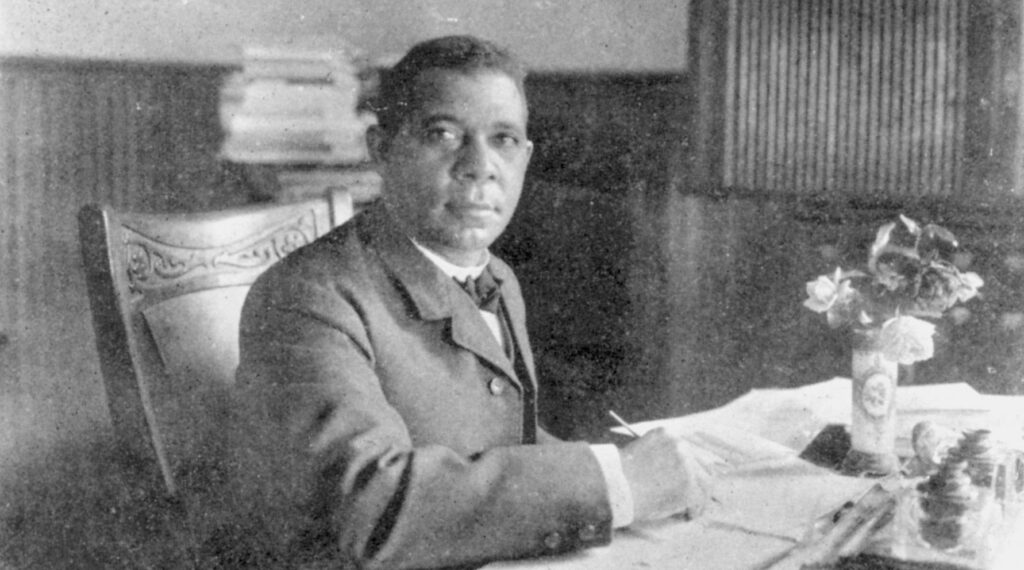
Washington’s philosophy, often summarized as “cast down your bucket where you are,” emphasized gradual progress through education and enterprise rather than immediate confrontation with racism. His 1895 Atlanta Compromise speech captured national attention, as he urged Black Americans to focus on self-improvement while appealing to white leaders for cooperation and opportunity.
Though later criticized by some, notably W.E.B. Du Bois, for being too accommodating to white power structures, Washington’s impact cannot be overstated. He built one of the most powerful educational institutions in America, mentored future leaders, and used his influence to secure funding for Black schools and organizations across the country.
By the time of his death in 1915, Booker T. Washington had become a global symbol of perseverance and vision. His work at Tuskegee and his message of empowerment through education laid the foundation for generations of Black leaders, thinkers, and innovators who continued his mission of progress and equality.