


The Black Mind Behind Washington, D.C.’s Design

Share
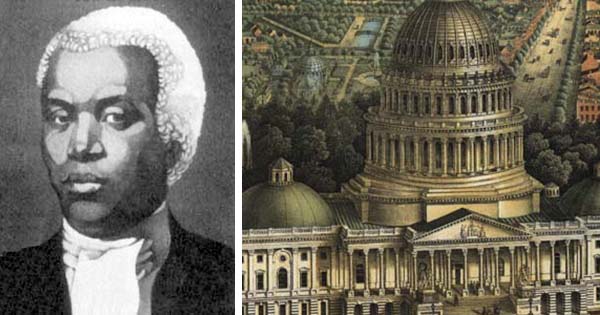
Did You Know a Black Man Designed Washington, D.C., and His Name Was Almost Erased From History?
Washington, D.C., is often described as a city built to symbolize democracy, its broad avenues, ceremonial spaces, and monumental core carefully engineered to project permanence and power. What is far less known is that a Black man played a crucial role in shaping that design at the nation’s founding, and that his contribution was nearly written out of history.
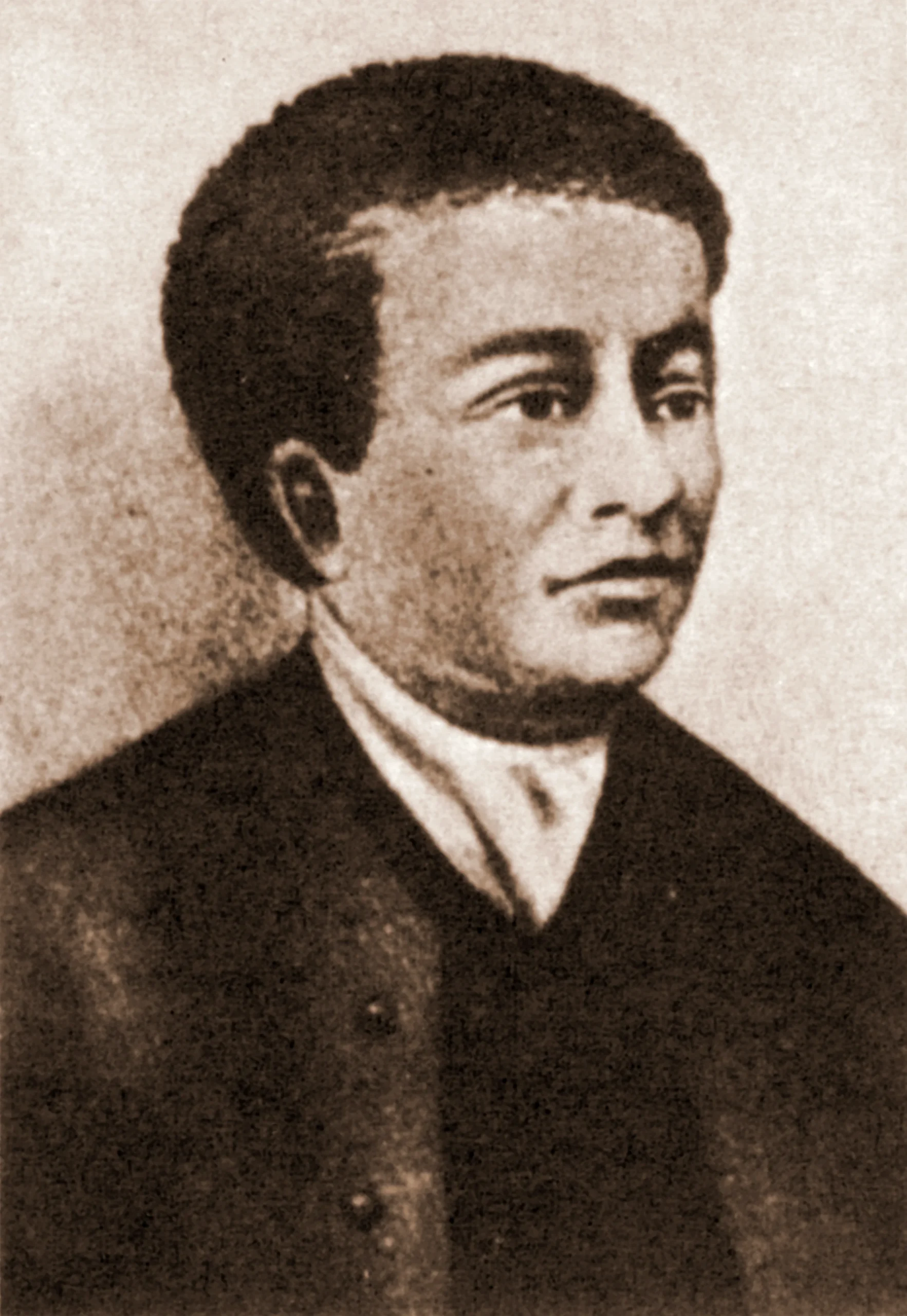
His name was Benjamin Banneker.
The forgotten architect behind the capital’s foundation
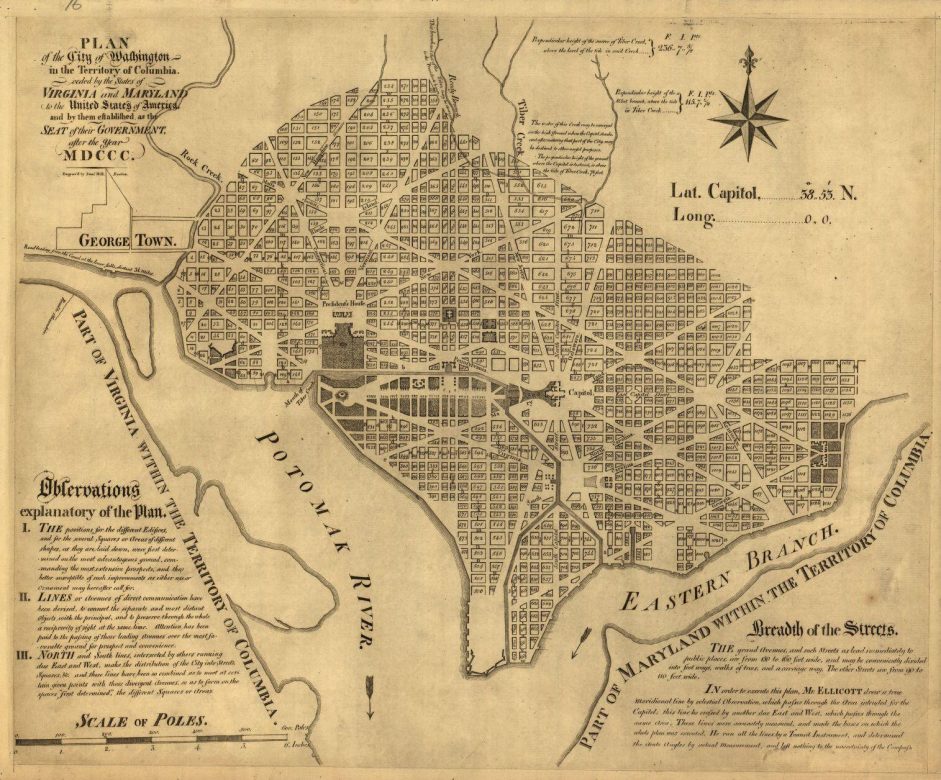
In 1791, as the newly formed United States set out to establish a permanent federal capital, President George Washington appointed French-born planner Pierre Charles L’Enfant to design the city’s grand layout. L’Enfant envisioned a capital unlike any other, wide diagonal avenues layered over a grid, open plazas for monuments, and a sense of order meant to reflect republican ideals.
But L’Enfant’s vision required precision, mathematics, and astronomical expertise to translate ideas into physical reality. That is where Benjamin Banneker entered the story.
Banneker, a free Black man born in Maryland, was largely self-taught. He mastered astronomy, mathematics, and engineering at a time when Black education was actively suppressed. His reputation as a scientific mind led to his appointment as part of the six-man survey team tasked with marking the boundaries of the new capital.
The work that made the plan possible
Banneker’s role was not ceremonial. He was responsible for astronomical calculations essential to the survey, using the stars to determine exact boundary points for the District of Columbia. This work was critical; errors would have distorted the entire city plan.
When L’Enfant was later dismissed after clashes with federal officials, and reportedly took his plans with him, Banneker is widely credited with reconstructing key elements of the city’s layout from memory and notes. Whether fully or partially, his involvement helped preserve the blueprint that became modern Washington, D.C.
Yet his name rarely appeared alongside L’Enfant’s in official accounts.
Erased, then slowly recovered
The marginalization of Banneker’s contribution was not accidental. Early American history often excluded Black intellectual achievement, particularly when it complicated narratives of white authorship and authority.
Banneker returned home after the survey and went on to publish almanacs that showcased his astronomical calculations, tidal charts, and essays. He also famously wrote to Thomas Jefferson, challenging the contradiction between liberty and slavery, using intellect as protest.
Despite these achievements, his role in the capital’s creation faded from mainstream retellings. For generations, Washington, D.C., was framed as a European-designed city, with little acknowledgment of Black expertise at its foundation.
Why this history matters now
Understanding Banneker’s role changes how we read American history. It reframes the capital not just as a monument to democratic ideals, but as a city built through multiracial intelligence, even as those contributions were denied recognition.
For a US audience reassessing how history is taught, remembered, and commemorated, Banneker’s story is a reminder that erasure is often as intentional as construction. The capital stands as physical proof of a truth long ignored: Black excellence was present at the creation of the nation itself.
Benjamin Banneker did not merely observe American democracy from the margins. He helped measure it, map it, and make it real, one calculation at a time.