

Shirley Chisholm: The Woman Who Changed American Politics

Share
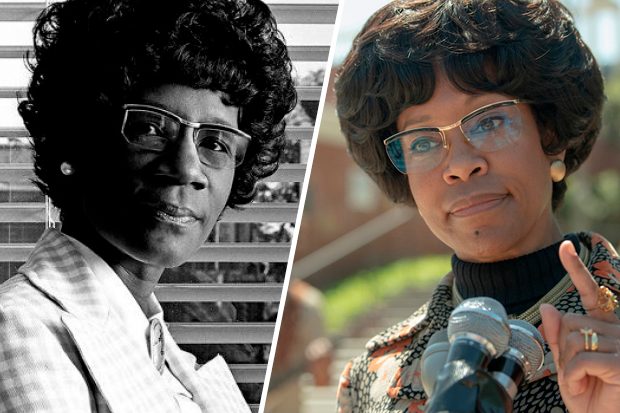
Shirley Chisholm did not enter American politics to fit in. She entered to force change. When she arrived on the national stage in the late 1960s, Washington was dominated by white men and governed by assumptions about who could lead, who could speak, and whose communities mattered. Chisholm challenged all of it, directly, publicly, and without apology.
Born in Brooklyn in 1924 to Caribbean immigrant parents, Chisholm brought an outsider’s clarity to the American political system. She understood early that power was not simply inherited; it was contested. And once she gained access to it, she used it relentlessly.
First in Congress, and unwilling to be symbolic
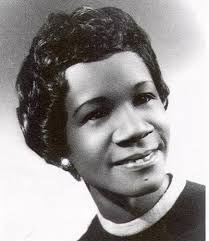
In 1968, Chisholm became the first Black woman elected to the US Congress, representing New York’s 12th District. Her victory alone was historic. What followed was more consequential.
Chisholm rejected the idea of being a ceremonial “first.” She demanded committee assignments that aligned with her priorities, challenged seniority systems that sidelined newcomers, and spoke openly about how race and gender shaped legislative outcomes. When party leaders attempted to confine her influence, she pushed back, often publicly.
Her guiding principle was simple and defiant: she was “unbought and unbossed.”
Legislating for those left out
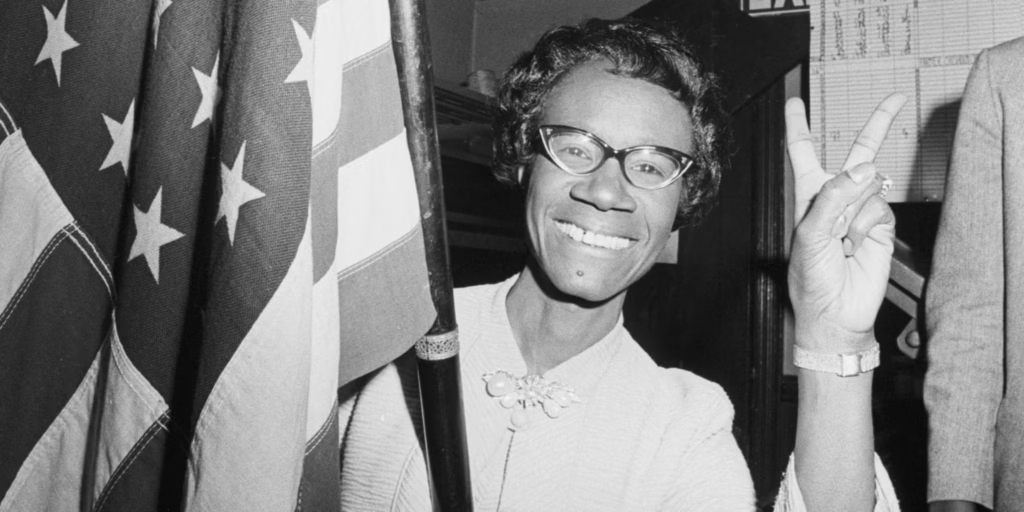
Chisholm’s policy focus reflected her background as an educator and her commitment to working-class communities. She championed expanded access to education, childcare, healthcare, and nutrition programs. At a time when these issues were dismissed as peripheral, she treated them as core economic infrastructure.
She also opposed the Vietnam War early, a position that cost her political capital but reinforced her reputation for independence. Chisholm was willing to lose favor if it meant staying aligned with her convictions.
A presidential campaign that redefined possibility
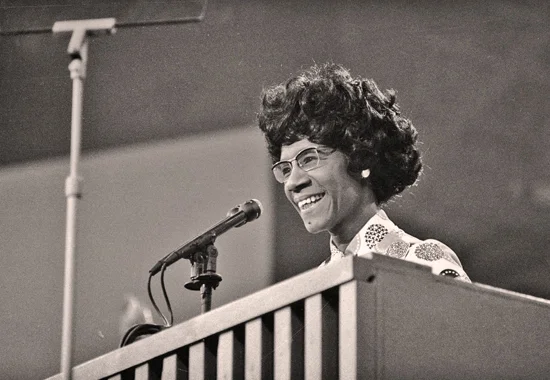
In 1972, Chisholm did what few thought imaginable: she ran for president of the United States, seeking the Democratic nomination. She became the first Black candidate, and the first woman, to pursue a major-party presidential nomination.
Her campaign was underfunded, underestimated, and often dismissed. Yet it forced the political establishment to confront a new reality: leadership was no longer confined to a narrow demographic.
Chisholm did not run expecting to win. She ran to open the door, and to make sure it could not be closed again.
Resistance from all sides
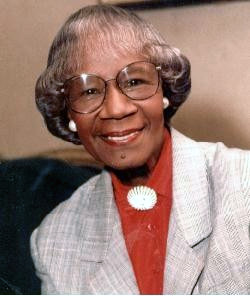
Chisholm’s independence came at a cost. She faced skepticism not only from white political leaders but also from segments of the Black political establishment that feared her candidacy was too risky. She was criticized for being too outspoken, too uncompromising, too early.
She refused to adjust.
Her political life demonstrated that representation without agency is hollow, and that real progress often unsettles allies as much as opponents.
Life beyond elected office
After leaving Congress in 1983, Chisholm continued shaping public life as an educator, author, and speaker. She taught at Mount Holyoke College and remained an influential voice on democracy, equity, and civic participation.
Her impact extended far beyond legislation. She normalized the idea that Black women could seek the highest offices in the land, not as exceptions, but as contenders.
Why Shirley Chisholm still matters
In today’s political landscape, where debates over representation, access, and power remain unresolved, Chisholm’s legacy feels unfinished and urgent. She demonstrated that progress does not come from waiting for permission or consensus. It comes from showing up, claiming space, and refusing to retreat.
Shirley Chisholm did not simply make history. She rewrote the rules for who gets to shape it.