

Bessie Coleman: The Pilot Who Broke the Sky’s Color Line

Share
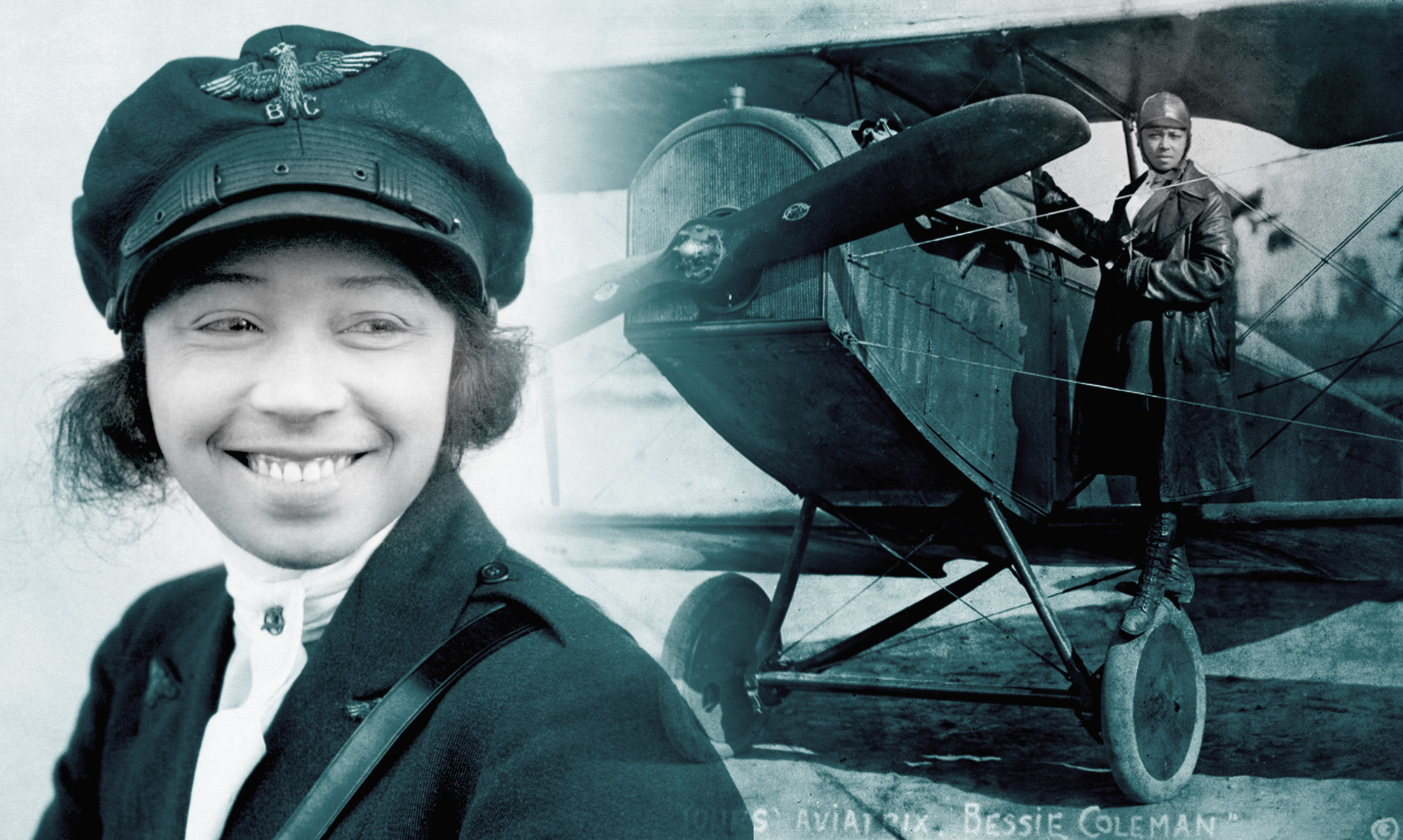
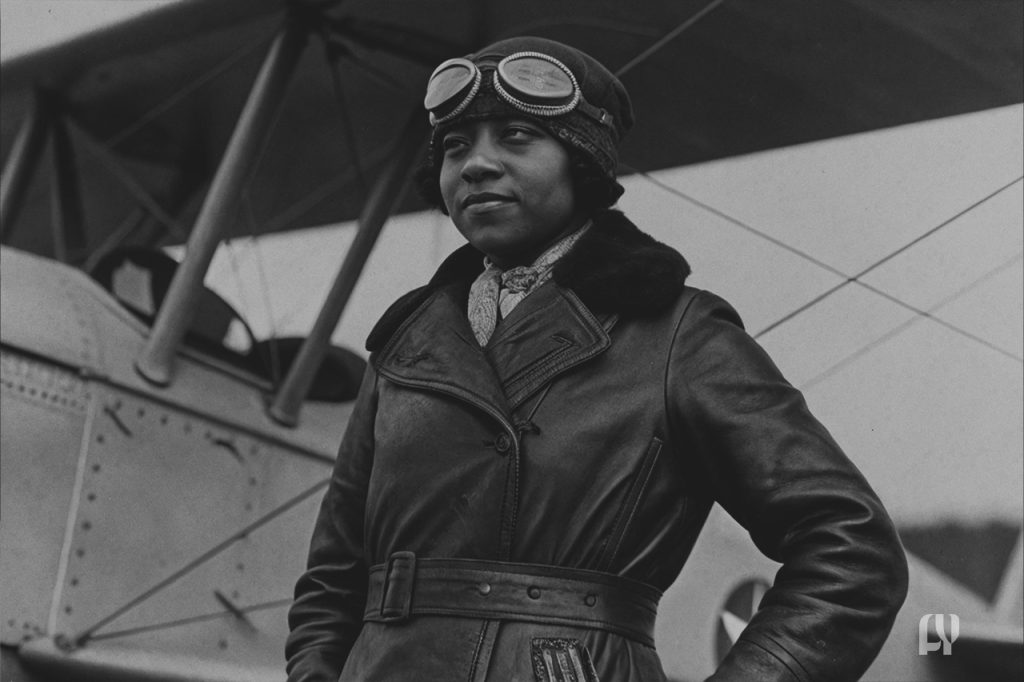
Bessie Coleman did not ask for permission to fly. When the United States refused to train her, she crossed an ocean, learned another language, and returned with a pilot’s license, and a mission. In doing so, she became the first Black woman and the first Native American woman to earn an international pilot’s license, reshaping who could imagine themselves in the cockpit.
Born in 1892 in Atlanta, Texas, Coleman was the daughter of sharecroppers and one of thirteen children. Her early life reflected the limits placed on Black Americans at the turn of the 20th century: segregated schools, restricted opportunity, and little tolerance for ambition that exceeded assigned roles. Aviation, then in its infancy, was among the most exclusionary fields of all.
Coleman refused to accept that reality.
A dream blocked at home, unlocked abroad
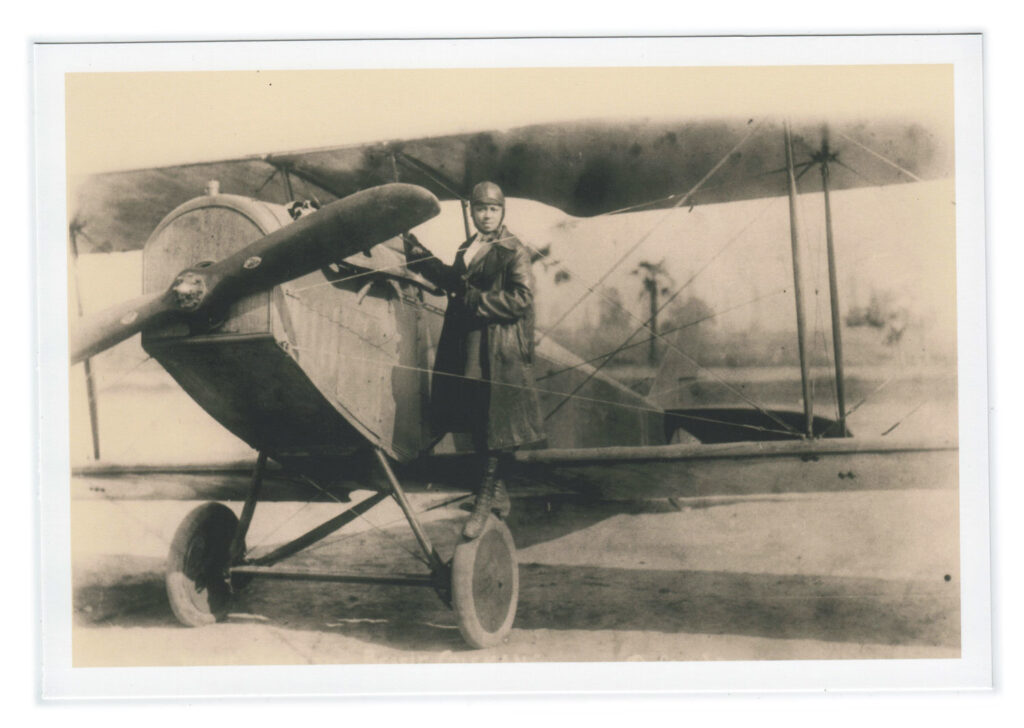
After moving to Chicago in her twenties, Coleman became fascinated by flight. She applied to US aviation schools and was rejected repeatedly, on the basis of race and gender. Rather than abandon the goal, she identified a workaround that required uncommon resolve.
She learned French, saved money, and traveled to France, where she enrolled in flight training. In 1921, she earned her license from the Fédération Aéronautique Internationale, one of the most respected aviation authorities of the era.
The achievement was not symbolic. It was technical, earned under the same standards applied to any pilot, and it carried international credibility.
Barnstorming with purpose
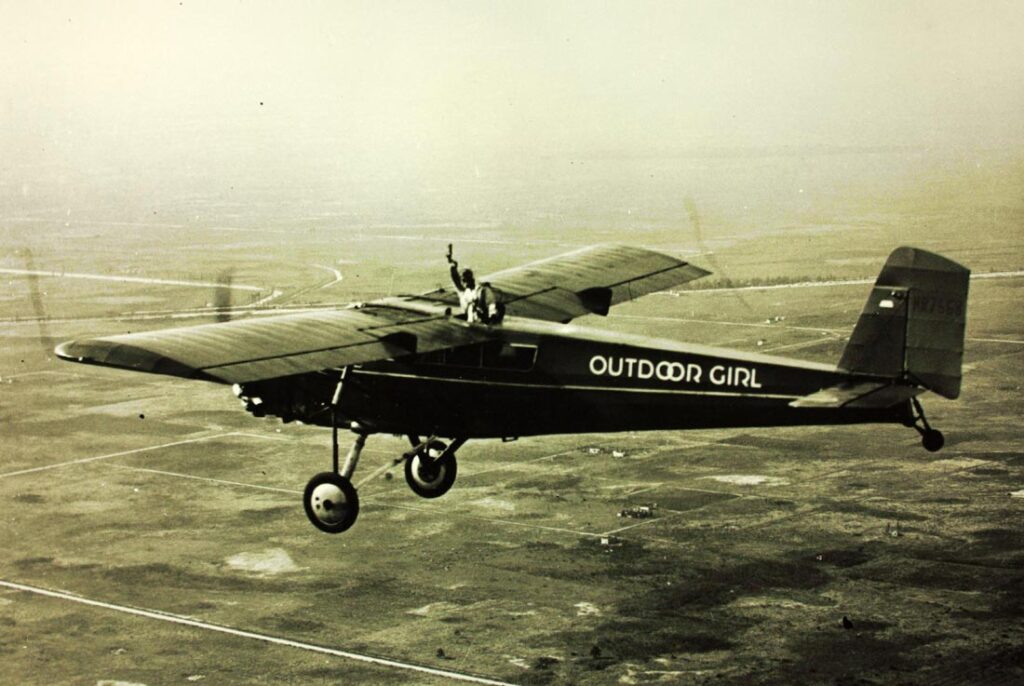
Returning to the United States, Coleman understood that aviation alone would not sustain her. She became a barnstormer, performing aerial stunts, loops, and dives at air shows across the country. These exhibitions made her a celebrity and a living contradiction to the era’s racial assumptions.
But Coleman was clear-eyed about the role she wanted to play. She refused to perform at events that enforced segregated audiences, insisting that Black spectators be allowed to enter through the same gates as white attendees. Her performances were entertainment, but her conditions were political.
She envisioned opening a flight school for Black pilots, an institution that would ensure future generations did not have to leave the country to access aviation training.
Fame, risk, and a short life
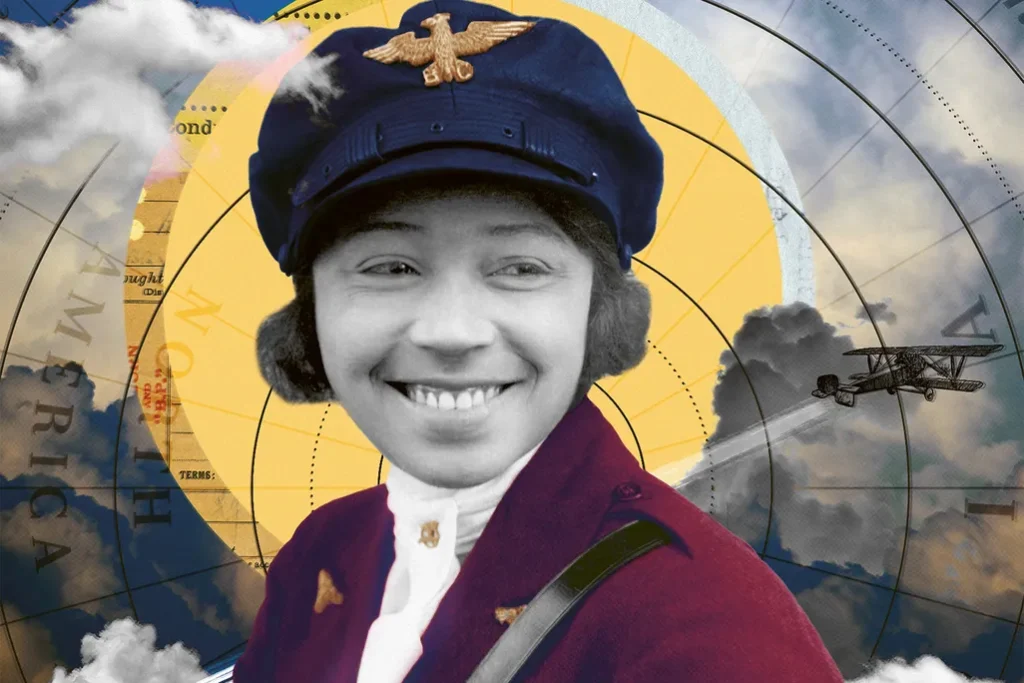
Aviation in the 1920s was dangerous by definition. Safety standards were minimal, aircraft were fragile, and pilots routinely accepted risks that would be unthinkable today.
In 1926, while preparing for an air show in Florida, Coleman was killed in a plane crash during a test flight. She was 34 years old.
Her flight school was never built. But her influence did not end with her death.
The legacy she left behind
Bessie Coleman became a symbol of aviation’s unfinished promise, one that later pilots would carry forward. Her courage helped inspire future Black aviators, including those who would become the Tuskegee Airmen. Today, her name is attached to schools, scholarships, aviation clubs, and runways.
More importantly, her story endures because it illustrates a truth often missing from innovation narratives: progress is not only about invention. It is about access.
Coleman did not invent the airplane. She changed who could claim it.
Why Bessie Coleman still matters
For a US audience navigating ongoing conversations about representation in STEM fields, aerospace, and elite professions, Coleman’s life offers a clear lesson. Barriers do not disappear because they are unjust. They disappear when someone is willing to confront them directly, and, when necessary, go around them entirely.
Bessie Coleman’s legacy is not confined to aviation history. It belongs to the broader American story of self-determination, where ambition meets exclusion and refuses to yield. The sky she entered was not meant for her. She flew anyway.