


Robert Sengstacke Abbott: The Black Publisher Who Built a Media Empire and Changed America

Share
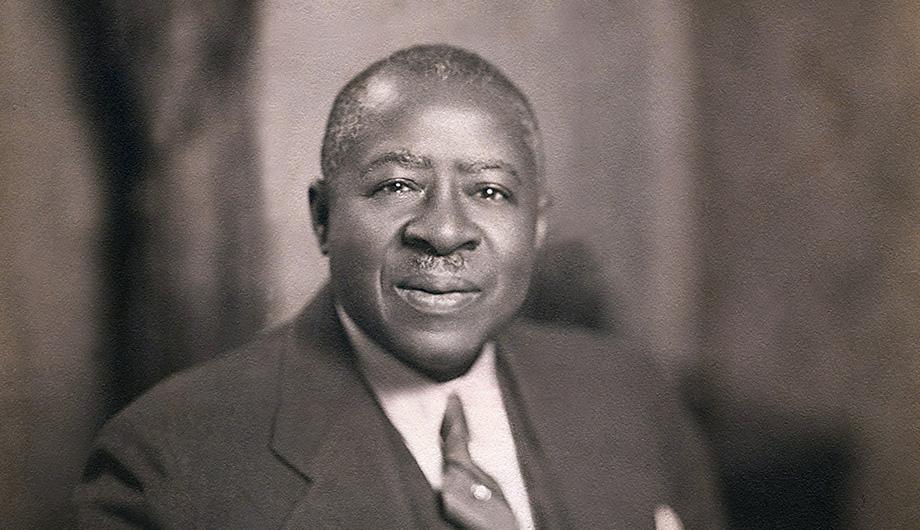
Robert Sengstacke Abbott stands as one of the most influential figures in American media history, a man who understood long before others that controlling the narrative could change the destiny of a people. As the founder of the Chicago Defender, Abbott did more than publish a newspaper. He built a media institution that reshaped Black political consciousness, accelerated the Great Migration, and challenged white supremacy at a time when doing so carried real danger.
Born on November 24, 1868, in St. Simons Island, Georgia, Abbott came of age during the brutal aftermath of Reconstruction. The promise of freedom for formerly enslaved Black Americans was being violently stripped away through Jim Crow laws, racial terror, and economic exclusion. Abbott’s early life was shaped by this reality, but also by education. He studied at Hampton Institute and later earned a law degree from Kent College of Law in Chicago. Despite his credentials, Abbott found that racism shut him out of the legal profession entirely.
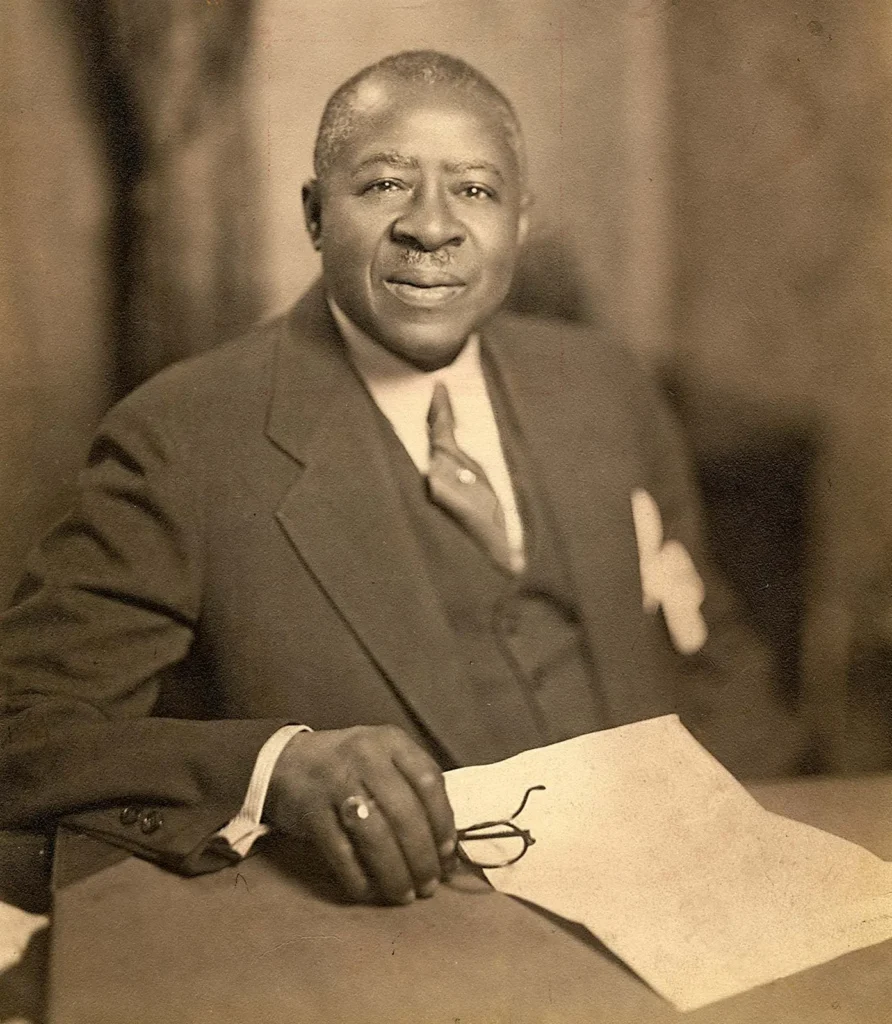
Rather than accept defeat, Abbott redirected his talents. In 1905, with just 25 cents and a burning sense of purpose, he founded the Chicago Defender, initially printing copies from his landlord’s kitchen. What began as a modest four-page paper quickly evolved into the most powerful Black newspaper in the United States.
Abbott’s vision for the Defender was unapologetically bold. Unlike many publications of the era that softened their tone to avoid white backlash, Abbott used sensational headlines, vivid language, and graphic reporting to expose lynchings, police brutality, and racial injustice across the South. He rejected the term “Negro,” insisting on “The Race,” and openly called for civil rights, economic empowerment, and self-determination.
Perhaps Abbott’s most profound impact came through his role in fueling the Great Migration. The Chicago Defender actively encouraged Black Southerners to move north, publishing job listings, train schedules, housing information, and first-hand accounts of better opportunities in cities like Chicago, Detroit, and Cleveland. At its peak, the paper was secretly distributed throughout the South, often smuggled by Pullman porters who risked arrest or violence to deliver it.
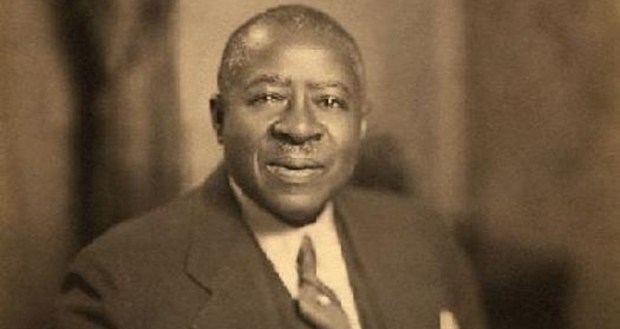
Historians widely credit Abbott and the Defender with helping millions of Black Americans envision a life beyond Southern oppression. Entire families made the journey north after reading the paper’s pages, transforming the demographic, cultural, and political landscape of American cities.
Abbott’s influence extended far beyond journalism. He pressured presidents, lobbied Congress, and helped shape early civil rights activism decades before the modern movement. The Defender was instrumental in pushing for the desegregation of the U.S. military and consistently challenged discriminatory federal policies. Abbott understood that media power was political power, and he wielded it strategically.
By the 1920s, the Chicago Defender had a national circulation estimated at over 200,000, making Abbott one of the first Black millionaires in American history. Yet wealth was never his end goal. He reinvested in Black institutions, education, and future generations of journalists, ensuring the Black press would endure beyond him.
Robert Sengstacke Abbott died in 1940, but his legacy remains deeply embedded in American history. The Chicago Defender continues to publish today, standing as a living monument to Abbott’s belief that truth, when amplified, can move people—and nations.
In an era when Black-owned media still fights for sustainability and visibility, Abbott’s life offers a powerful reminder: representation is not just about being seen. It is about shaping the story, setting the agenda, and refusing to be silent in the face of injustice.
Robert Sengstacke Abbott did not merely report history. He changed it.