Muhammad Ali: Boxing Legend, Activist, and Global Black Icon

Share
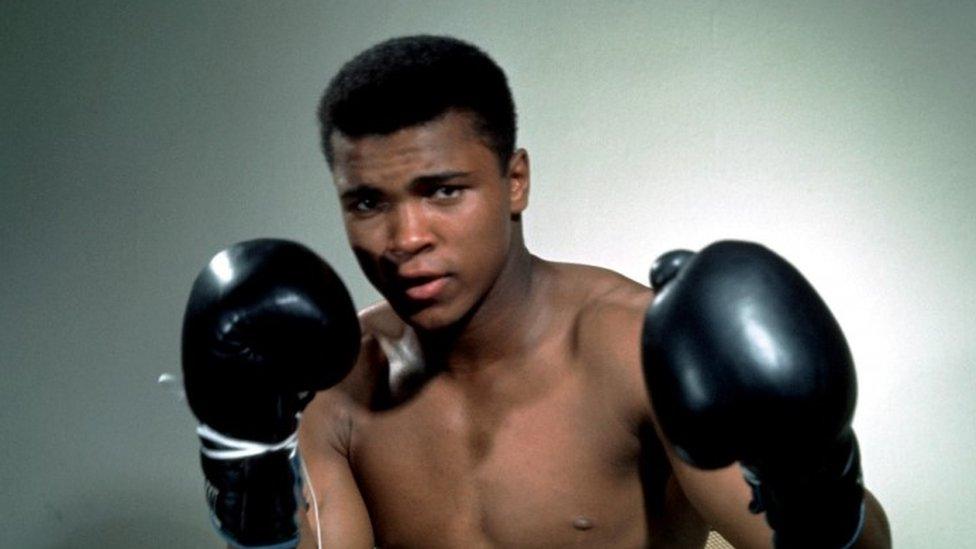
The Making of Muhammad Ali
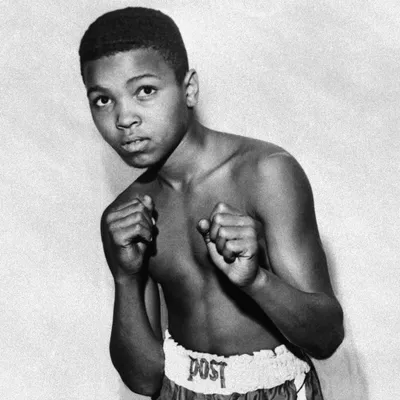
Muhammad Ali was born Cassius Marcellus Clay Jr. on January 17, 1942, in Louisville, Kentucky, at a time when segregation shaped every aspect of Black life in America. What began as a young boy’s anger over a stolen bicycle quickly became destiny when a police officer introduced him to boxing, a moment that would alter global sports forever.
Ali’s talent was undeniable early on. By age 18, he had won a gold medal at the 1960 Rome Olympics, signaling the arrival of a once-in-a-generation athlete. But even then, Ali understood something many athletes didn’t: greatness was not just about winning, it was about voice.
From Cassius Clay to Muhammad Ali
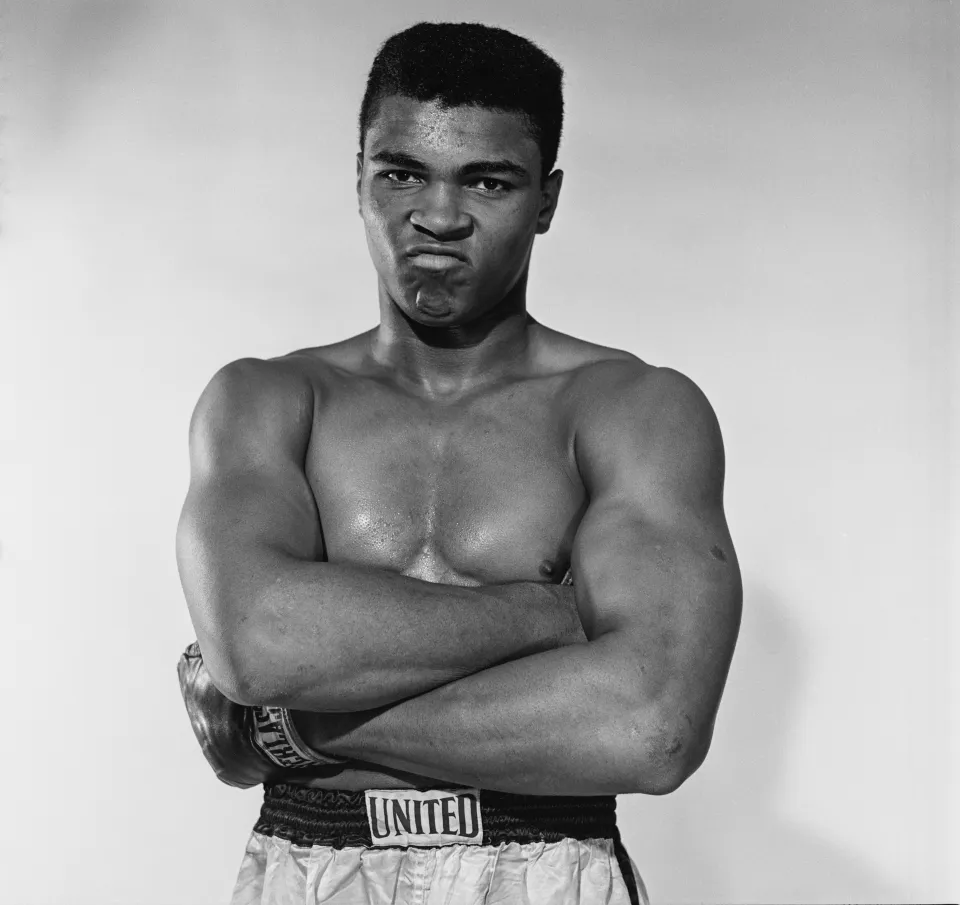
In 1964, after defeating Sonny Liston to become heavyweight champion of the world, Ali shocked the nation by announcing his conversion to Islam and changing his name to Muhammad Ali. The decision was deeply personal, and deeply political.
At a time when Black Americans were expected to assimilate quietly, Ali rejected what he called his “slave name” and embraced his identity openly. The backlash was immediate. Sponsors vanished. Media outlets mocked him. Boxing authorities looked for ways to silence him.
Ali didn’t flinch.
“I Ain’t Got No Quarrel With Them Viet Cong”
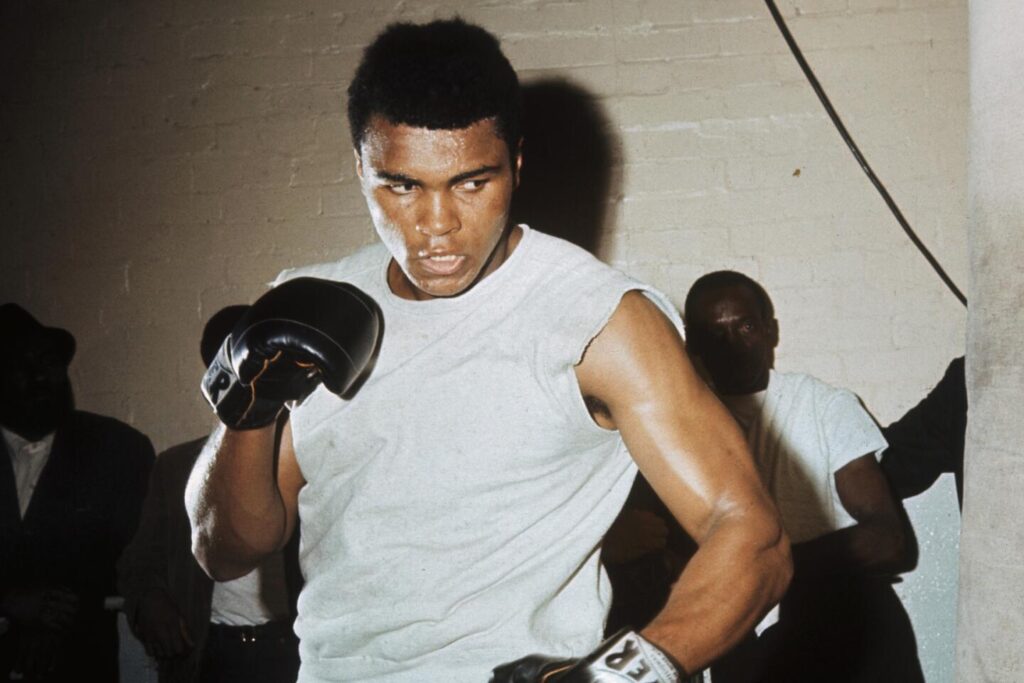
Ali’s most defining moment came in 1967 when he refused induction into the U.S. Army, citing religious beliefs and opposition to the Vietnam War. His words echoed across the world:
“No Viet Cong ever called me n****r.”
For this stand, Ali was stripped of his heavyweight title, banned from boxing, and convicted of draft evasion. At the peak of his physical prime, he lost nearly four years of his career.
History would later vindicate him. The U.S. Supreme Court overturned his conviction in 1971. What once made him controversial eventually made him courageous in hindsight.
The Greatest in the Ring
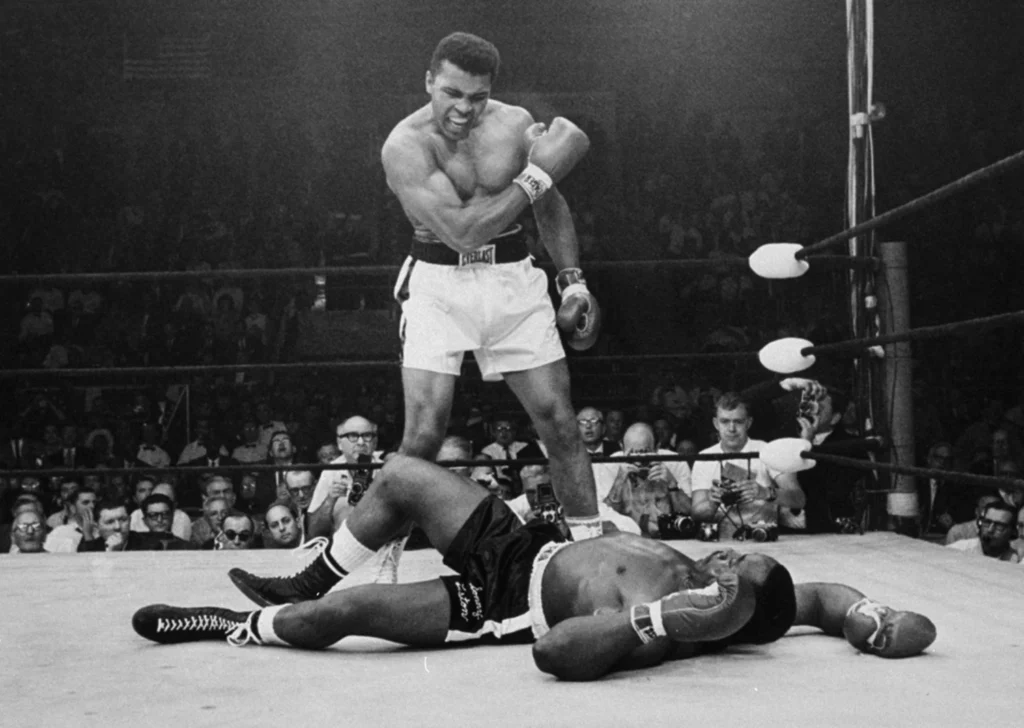
When Ali returned to boxing, he reclaimed his place in history with legendary bouts that transcended sport. His fights against Joe Frazier, George Foreman, and Ken Norton became global events.
The 1974 “Rumble in the Jungle” remains one of the most iconic sporting moments ever. Using intelligence over brute force, Ali defeated a younger, stronger Foreman with his now-legendary “rope-a-dope” strategy, proving that brilliance can outthink power.
Ali became the first heavyweight champion to win the title three times, solidifying his claim as “The Greatest.”
Beyond Boxing: A Global Humanitarian
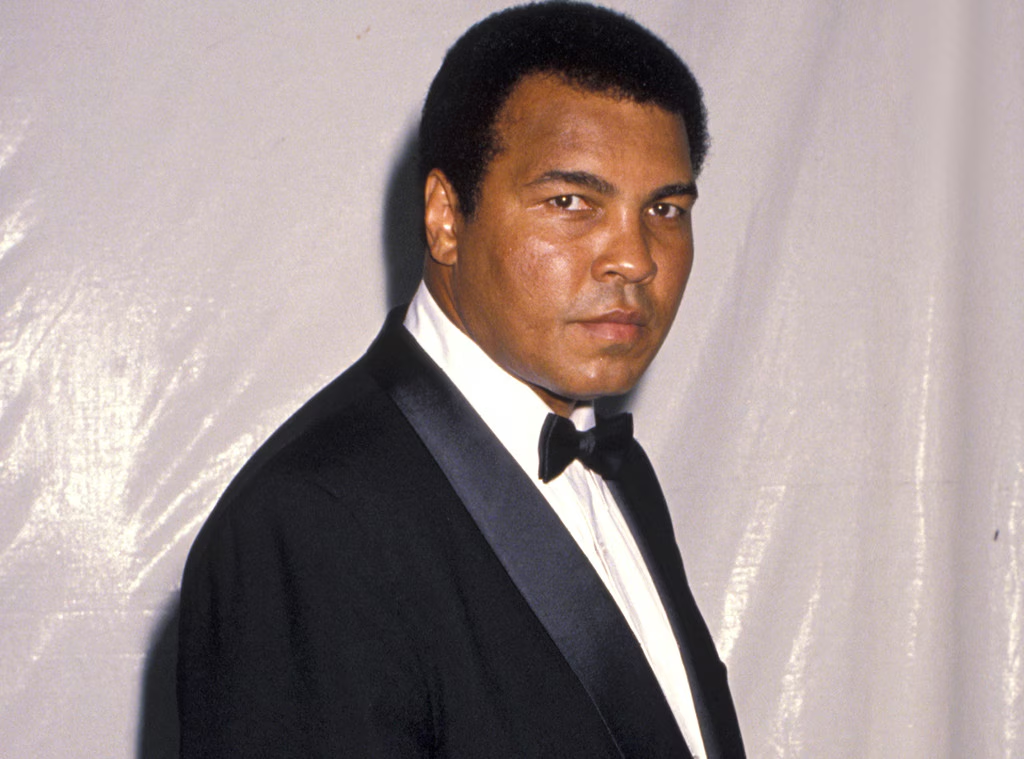
Later in life, Ali’s battle shifted from the ring to his own body. Diagnosed with Parkinson’s disease in 1984, his speech slowed, but his influence only grew.
Ali dedicated himself to humanitarian work, international diplomacy, and philanthropy. He traveled the world advocating for peace, prisoners’ rights, and humanitarian causes, earning the Presidential Medal of Freedom in 2005.
When Ali lit the Olympic torch at the 1996 Atlanta Games, the world watched in silence, not weakness, but grace.
What Many People Don’t Know About Muhammad Ali
Despite his bravado, Ali was deeply spiritual and reflective. Friends often spoke of his generosity behind the scenes, paying medical bills, helping strangers, and quietly funding causes without publicity.
Ali also understood media before social media existed. His poetry, trash talk, and charisma weren’t accidental, they were strategic. He turned boxing into entertainment, activism into spectacle, and Black confidence into something unapologetically visible.
Why Muhammad Ali Still Matters
Muhammad Ali didn’t just change boxing, he changed what it meant to be a Black athlete with a conscience. He proved that athletes could challenge power, speak truth, and still be remembered as legends.
Today’s athlete-activists stand on his shoulders.
Ali once said:
“Service to others is the rent you pay for your room here on Earth.”
Few people paid it as fully as he did.