Maya Angelou’s Enduring Power: The Voice That Turned Survival Into American Literature

Share
Maya Angelou’s Enduring Power: The Voice That Turned Survival Into American Literature
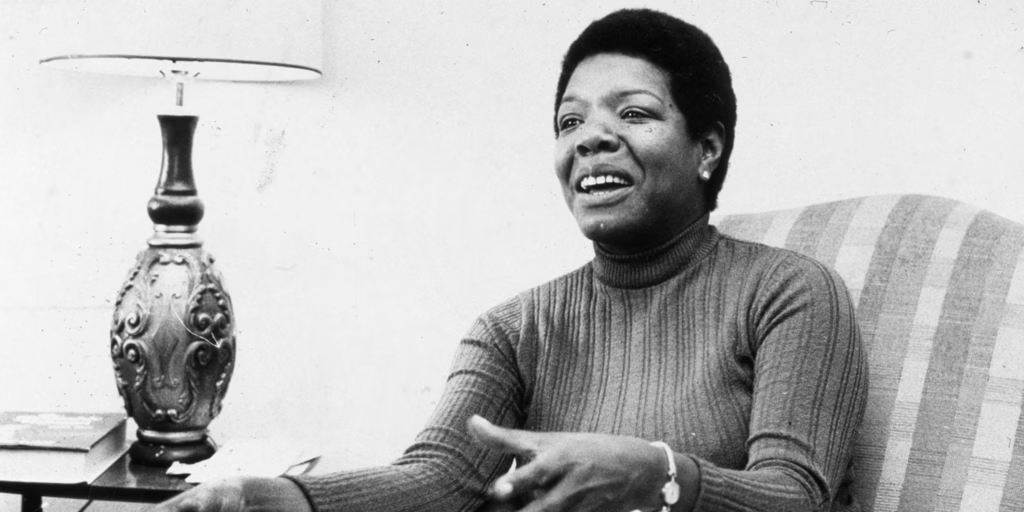
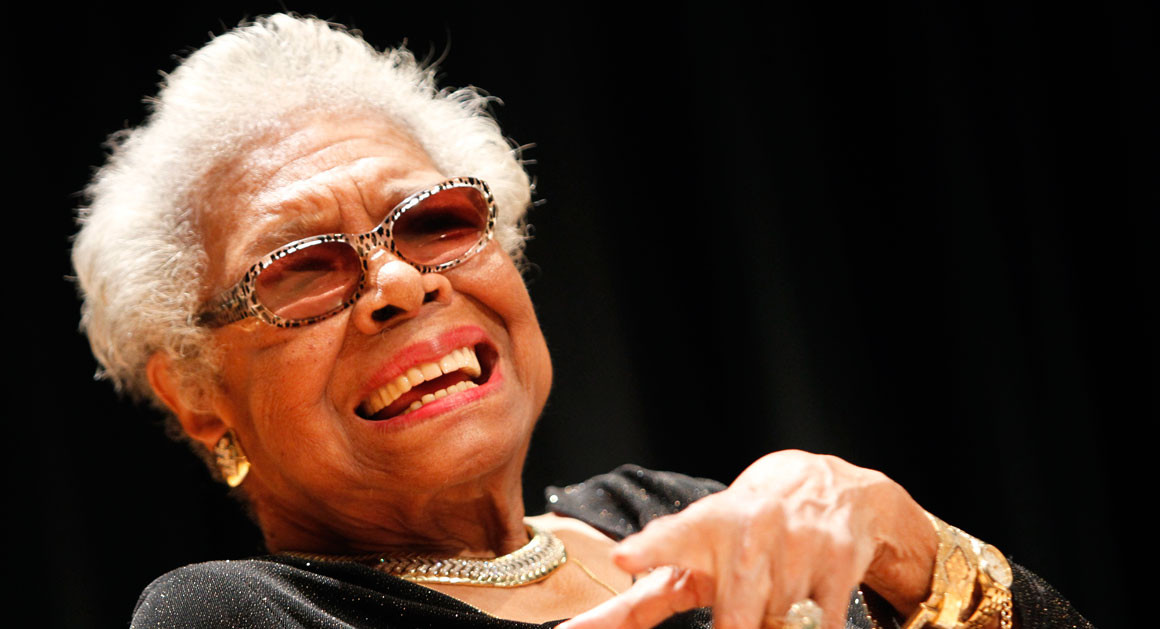
Maya Angelou is remembered not simply as a celebrated writer, but as an American force, an artist whose work helped millions name what they had lived through, and what they still hoped to become. Born Marguerite Annie Johnson in St. Louis in 1928 and later known globally as Maya Angelou, she rose to prominence by doing something both literary and radical for its time: she placed a Black girl’s interior world at the centre of the national story, without apology, without translation, and without asking permission.
That insistence on truth, tender, unsparing, and meticulously crafted, made her work widely taught, widely quoted, and frequently contested. Angelou’s impact has endured across generations because her writing never stayed safely on the page. It entered classrooms, pulpits, living rooms, and public ceremonies, shaping the language Americans use to talk about trauma, dignity, and self-determination.
The memoir that changed what could be said in public
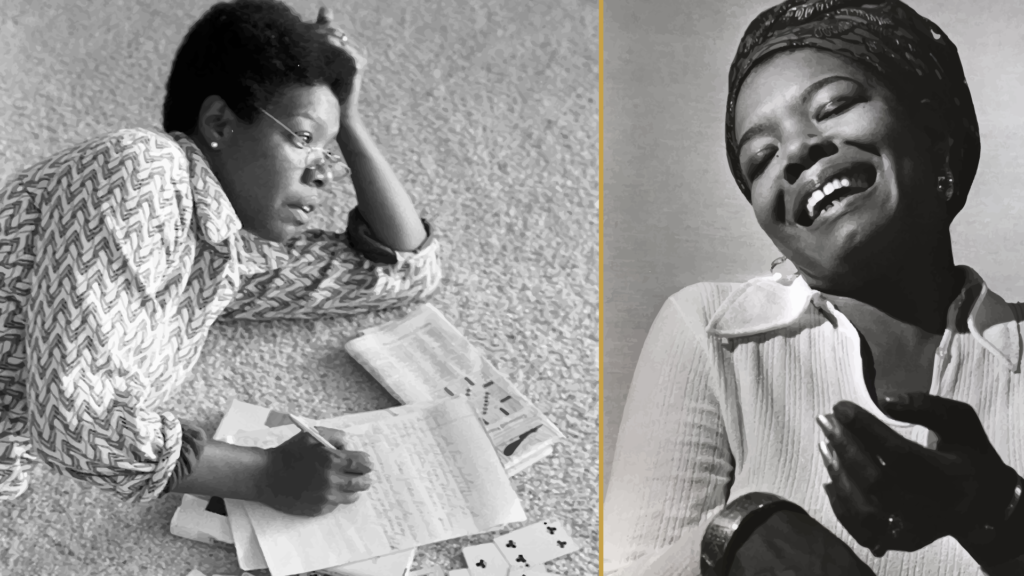
Angelou’s most famous work, I Know Why the Caged Bird Sings, arrived in 1969 and quickly became a cultural landmark. The book chronicles her early life, including childhood displacement and the brutal realities of racism and personal trauma, rendered with narrative momentum and emotional clarity that made it accessible far beyond literary circles.
The memoir’s frankness also helped explain its paradoxical place in American culture: revered as essential reading, but repeatedly challenged in schools and libraries for its depictions of sexual violence and other sensitive material. In the ecosystem of US public education, few books illustrate the country’s recurring debate over what young people should be allowed to read as clearly as Angelou’s most influential title.
Yet the same material that made the memoir controversial also made it transformative. Angelou helped expand the boundaries of mainstream autobiography, especially for Black women, by demonstrating that a personal history could also be a serious national text: a record of what America does to certain bodies and voices, and what those voices do in response.
Beyond one book: a full-spectrum cultural figure
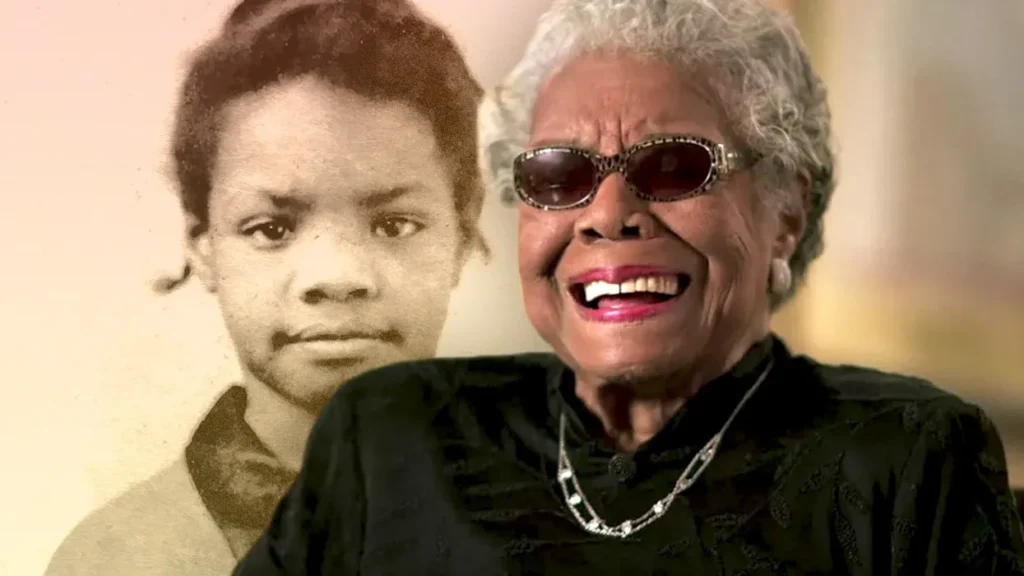
Reducing Angelou to a single memoir, however, misses the scope of her career. She published multiple volumes of autobiography and poetry, and worked across performance, stage, and screen over decades. Her public stature grew not just from literary accolades but from the feeling, for many Americans, that she spoke with uncommon moral authority, one grounded in survival, craft, and experience.
She was also connected to the civil rights era not as an observer, but as a participant, and her life and work became part of the broader Black freedom struggle’s cultural memory, one reason her name remains central in conversations about Black excellence, identity, and American democracy.
Why her voice still travels, especially now
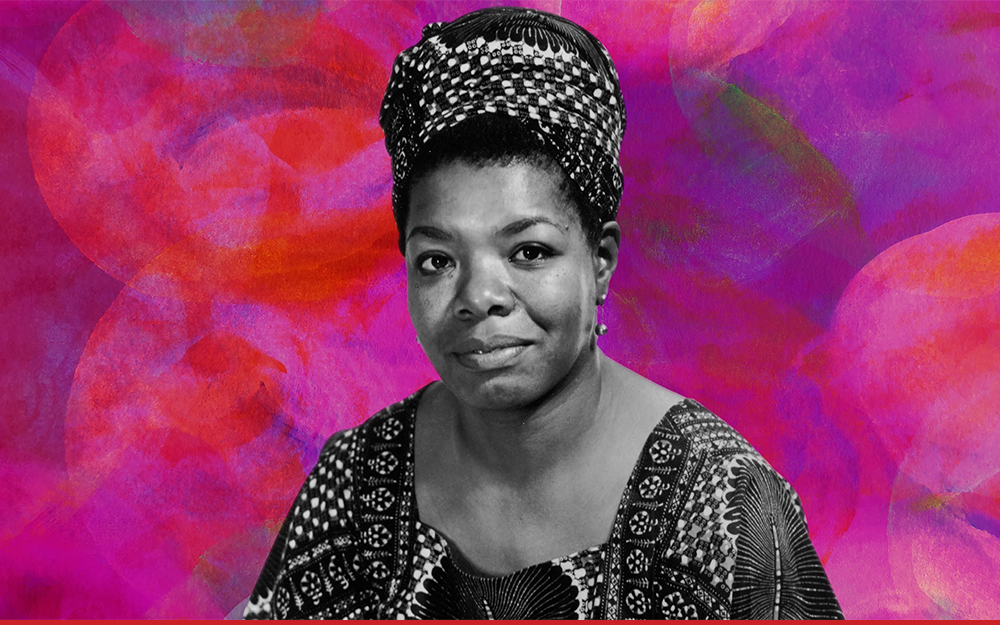
Angelou’s legacy has proven unusually durable in the digital age, where quotes circulate at scale and attention spans shrink. The endurance is not accidental. Her lines are built to carry: they are direct without being simplistic, lyrical without being obscure, and morally clear without sounding rehearsed. They speak to individual resilience while never letting systems off the hook.
For US readers today, living through renewed arguments over school curricula, free expression, and cultural identity, Angelou’s work remains a reference point because it refuses the false choice between art and testimony. It is both. It is memory turned into literature, and literature turned into public language.
Maya Angelou died in 2014 in Winston-Salem, North Carolina, but her influence is not sealed in an archive. It continues in the way American culture talks about healing, courage, and the cost of silence, and in the insistence that a life, however wounded, can still be authored into meaning.