


Gordon Parks: The Photographer and Filmmaker Who Changed Black American Storytelling

Share
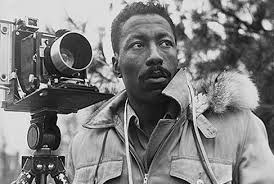
Gordon Parks: The Visionary Who Changed How Black America Was Seen
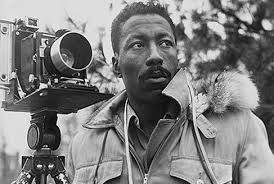
Gordon Parks did not just document history, he reshaped it. Through photography, film, writing, and music, Parks became one of the most influential storytellers of the 20th century, using his lens to confront racism, poverty, and injustice while centering Black dignity in a nation that often refused to see it.
Born on November 30, 1912, in Fort Scott, Kansas, Parks grew up during segregation, facing racial violence and systemic barriers that shaped his worldview. Those early experiences would later fuel a career defined by truth-telling and cultural disruption.
From Poverty to Power Behind the Camera
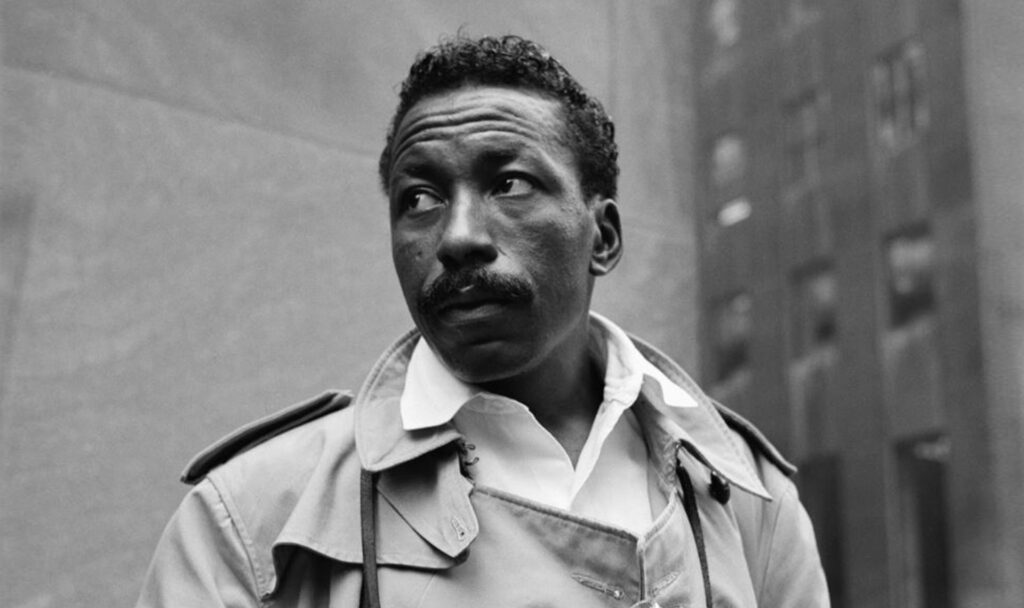
Parks’ journey began far from elite institutions. After losing his mother at age 15, he bounced between relatives, working menial jobs just to survive. It wasn’t until his mid-20s that he discovered photography, teaching himself the craft while working as a railroad porter.
What set Parks apart was not technical perfection, but emotional precision. His images captured the humanity behind hardship, particularly for Black Americans living under Jim Crow. That clarity soon caught national attention.
In 1948, Gordon Parks made history as Life magazine’s first Black staff photographer, breaking a major color barrier in American media. Over the next two decades, his work exposed racial inequality to millions of readers, forcing mainstream America to confront realities it had long ignored.
The Photo That Changed Everything
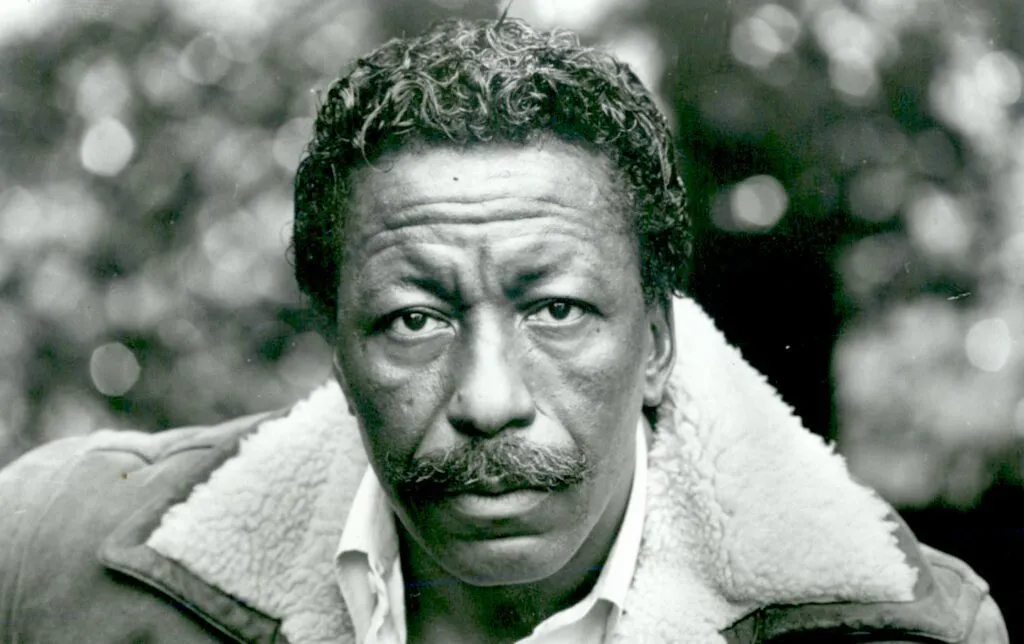
One of Parks’ most iconic images, American Gothic, Washington, D.C., featured a Black cleaning woman posed with a mop and broom in front of the American flag. The photograph became a searing critique of American hypocrisy, freedom promised, but not delivered.
Rather than sensationalizing suffering, Parks insisted on portraying his subjects with dignity. “The camera,” he famously said, “was my weapon against poverty and racism.”
Hollywood’s First Black Director of a Major Studio Film
Parks didn’t stop with photography. In 1969, he became the first Black American to direct a major Hollywood studio film, The Learning Tree, based on his own semi-autobiographical novel.
But it was 1971’s Shaft that cemented his legacy in cinema. The film redefined Black masculinity on screen and helped launch the Blaxploitation era, though Parks himself saw it as something deeper: Black empowerment through control of narrative.
At a time when Black characters were sidelined or stereotyped, Parks placed them at the center of their own stories.
A Renaissance Man by Every Definition
Beyond photography and film, Gordon Parks was also an accomplished author, poet, and composer. He wrote novels, memoirs, children’s books, and essays, often drawing from his lived experiences with racism, resilience, and survival.
His autobiography, A Choice of Weapons, remains a foundational text in Black literature, offering insight into both his personal battles and America’s moral contradictions.
What Many People Don’t Know About Gordon Parks
Despite his success, Parks never lost his sense of urgency or humility. He continued mentoring young Black creatives well into his later years, emphasizing discipline, purpose, and responsibility.
He also quietly funded education initiatives and supported civil rights efforts without seeking recognition. For Parks, impact mattered more than applause.
A Legacy That Still Shapes Culture
Gordon Parks passed away in 2006, but his influence remains unmistakable. His work continues to shape journalism, cinema, and Black visual culture, reminding the world that representation is not just about visibility, it’s about truth.
Today, as conversations about race, media, and power continue, Parks’ life offers a blueprint: tell the story honestly, center humanity, and never ask permission to exist fully.