

Dorothy Height: The Godmother of the Civil Rights Movement Who Changed America

Share
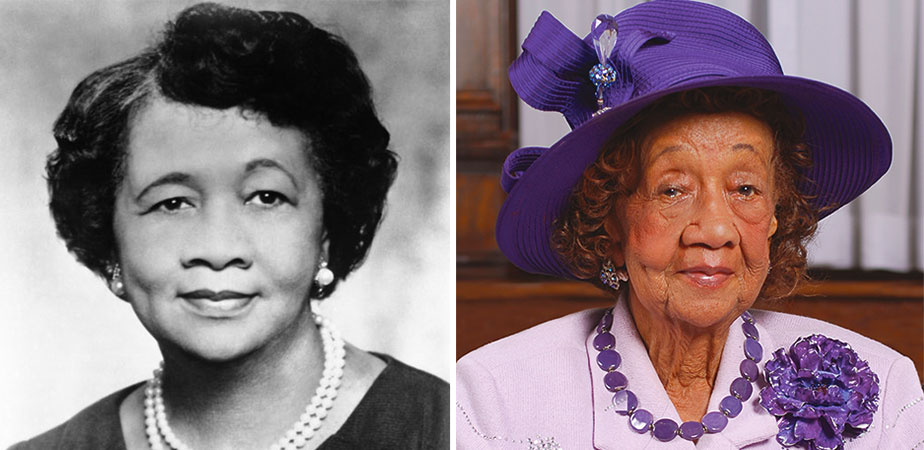
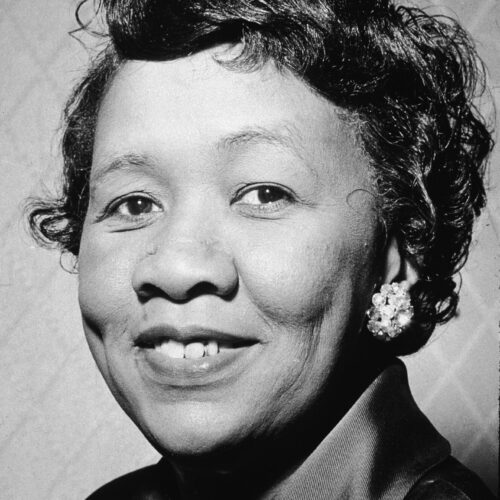
Dorothy Irene Height is often described as “the godmother of the civil rights movement,” a title earned not through symbolism, but through decades of strategic leadership that reshaped American democracy. While history frequently centers male voices of the movement, Height worked behind, and often beyond, the spotlight, ensuring that Black women were not erased from the fight for justice, dignity, and equal opportunity.
Born on March 24, 1912, in Richmond, Virginia, and raised in Rankin, Pennsylvania, Height displayed brilliance early. She was an award-winning orator as a teenager and later earned degrees from New York University, including a master’s in psychology. But her education was never about prestige, it was preparation for service.
A Power Broker in the Civil Rights Era
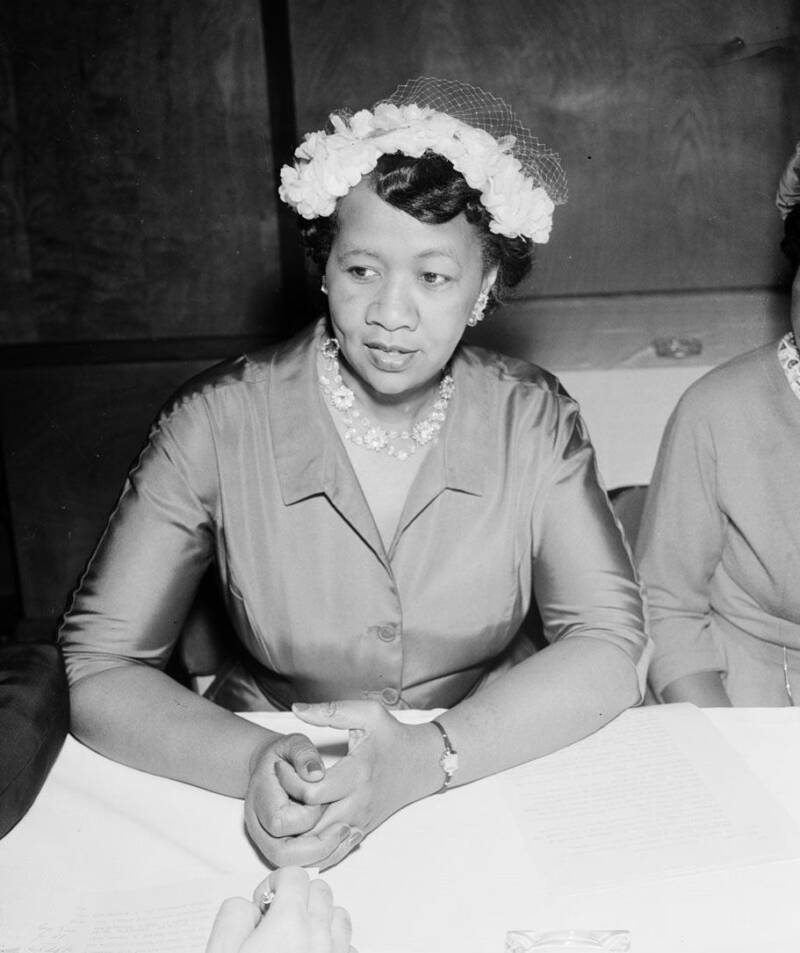
At a time when Black women were often sidelined, Dorothy Height sat at the center of power. She worked closely with civil rights giants such as Martin Luther King Jr., A. Philip Randolph, Roy Wilkins, and Whitney Young, yet carved her own lane by focusing on the intersection of race and gender.
Height was a key organizer of the 1963 March on Washington, one of the most pivotal moments in American history. Despite her central role, she, like many women, was not invited to speak. Rather than retreat, Height doubled down on institution-building, understanding that lasting change required sustained infrastructure, not just speeches.
Transforming Black Women’s Lives
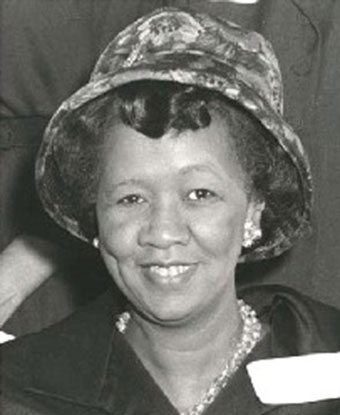
As longtime president of the National Council of Negro Women (NCNW), Height expanded the organization into a global force. She championed policies addressing employment, education, housing, healthcare, and family stability, issues impacting Black women long before “intersectionality” became common language.
She also helped launch initiatives such as “Black Family Reunions,” reframing national conversations around Black culture, resilience, and joy at a time when harmful stereotypes dominated mainstream narratives.
Political Influence Without the Spotlight
Dorothy Height advised multiple U.S. presidents, from Eisenhower to Obama, quietly shaping domestic policy while refusing to compromise her principles. She was instrumental in advancing the Civil Rights Act of 1964 and the Voting Rights Act of 1965, ensuring that women’s voices were part of legislative outcomes.
Her leadership style was deliberate, disciplined, and strategic, proving that power does not always need volume.
Honors, Legacy, and Why She Still Matters
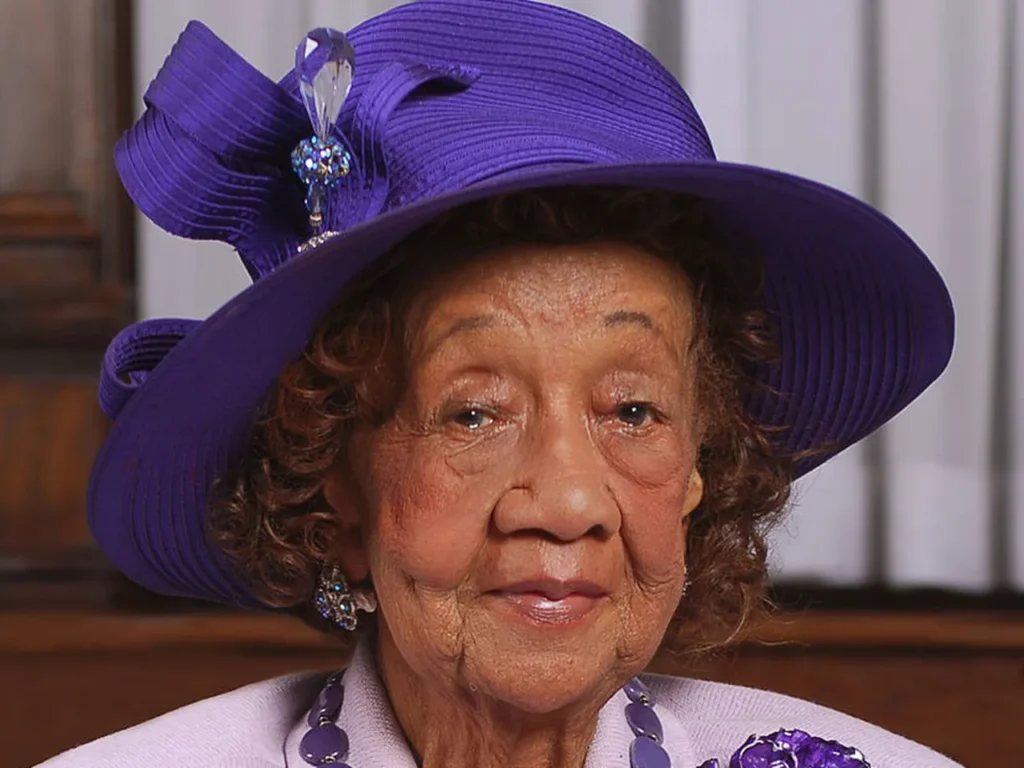
In 1994, Height received the Presidential Medal of Freedom, the nation’s highest civilian honor. She remained active well into her 90s, mentoring younger activists and reminding America that progress requires vigilance.
Dorothy Height passed away on April 20, 2010, but her influence remains embedded in modern movements for racial and gender justice. Today’s conversations about equity, representation, and leadership owe much to her groundwork.
The Legacy We Must Protect
Dorothy Height showed the world that Black women are not just participants in history, they are architects of it. Her life challenges us to expand who we recognize as leaders and to honor those who build change quietly, steadily, and without applause.
In an era still grappling with inequality, Dorothy Height’s legacy is not just history, it is instruction.