

Trump’s Latest Attacks on Ilhan Omar Ignite National Debate Over Immigration and Rhetoric

Share
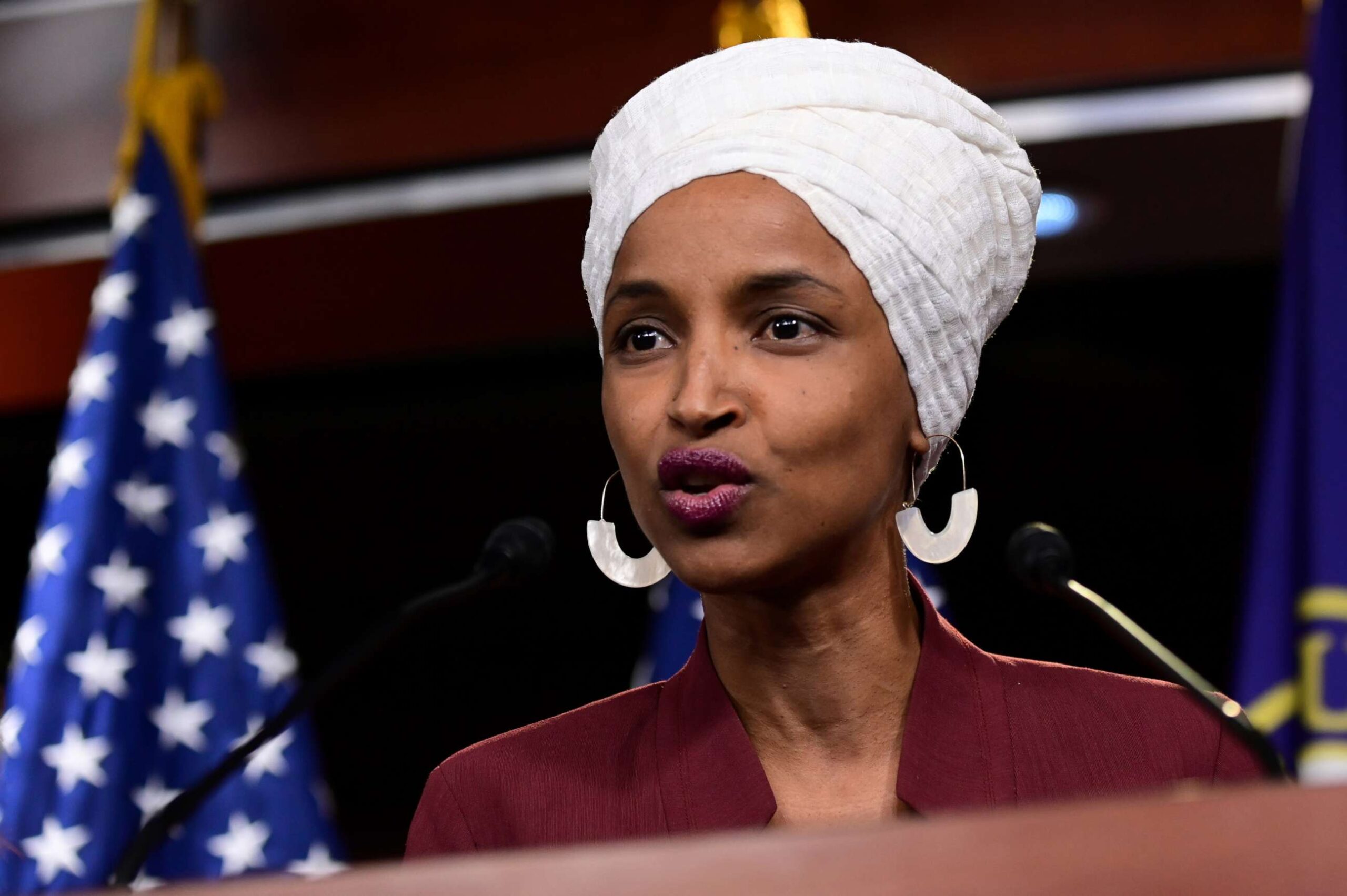
Rep. Ilhan Omar, the Somali-born congresswoman from Minnesota, is pushing back after a series of personal attacks from former President Donald Trump that have thrust immigration and political rhetoric back into the national spotlight. The latest salvo comes amid broader discussions of immigration enforcement and controversy over pandemic-era fraud cases involving members of Minnesota’s Somali community a community Omar represents and has repeatedly defended.
In a December 2025 interview, Omar said she remains unfazed by Trump’s language and insisted her focus remains on representing her constituents and standing up to what she calls politically motivated attacks. Trump’s remarks include calling Omar “garbage” and suggesting she should not be serving in the U.S. Congress, comments that have drawn strong condemnation from civil rights advocates and Democrats who say the rhetoric inflames prejudice rather than promoting constructive policy discussion.
The attacks were sparked in part by Trump’s comments linking fraud investigations involving dozens of Somali Americans, which did not include any allegations against Omar, to broader immigration policy goals. The former president has repeatedly leveled criticism at the Somali community in Minnesota, employing inflammatory language that opponents describe as racially charged. Critics argue such rhetoric risks stigmatizing entire groups for the actions of a few and exacerbating divisions around immigration and community integration.
Omar, who made history as the first Somali and Muslim woman elected to Congress, has denounced the comments as politically motivated distractions from substantive policy debates. She emphasized her pride in her heritage and repeatedly rejected the idea that broad characterizations of her community are fair or constructive. Omar also criticized what she described as a pattern of targeting immigrant communities, particularly those that are Black or Muslim, as part of a broader political strategy.
The controversy highlights ongoing tensions in the national conversation over immigration enforcement, community relations, and the boundaries of political rhetoric. Supporters of Omar have accused Trump of using divisive language to appeal to certain voter bases, while critics say the focus on personal attacks detracts from discussions about policy and accountability.
Trump’s rhetoric has also drawn scrutiny from both sides of the aisle, with some political observers warning that language casting entire communities in a negative light, even indirectly through commentary about elected representatives, can have real-world consequences for perceptions of civic inclusion and social cohesion.
Omar, for her part, has signaled that she will continue her work in Congress, defending her district and its diverse population. She framed the attacks as attempts to distract from the issues facing her constituents, from economic concerns to civil rights protections, and reiterated her commitment to advocating for broader accountability without scapegoating communities.
As the debate unfolds, the wider national conversation about immigration policy, political rhetoric, and the responsibilities of leaders in shaping discourse is likely to remain central to discussions in Washington and beyond.