

Hal Williams: A Trailblazer of Black Television Comedy

Share
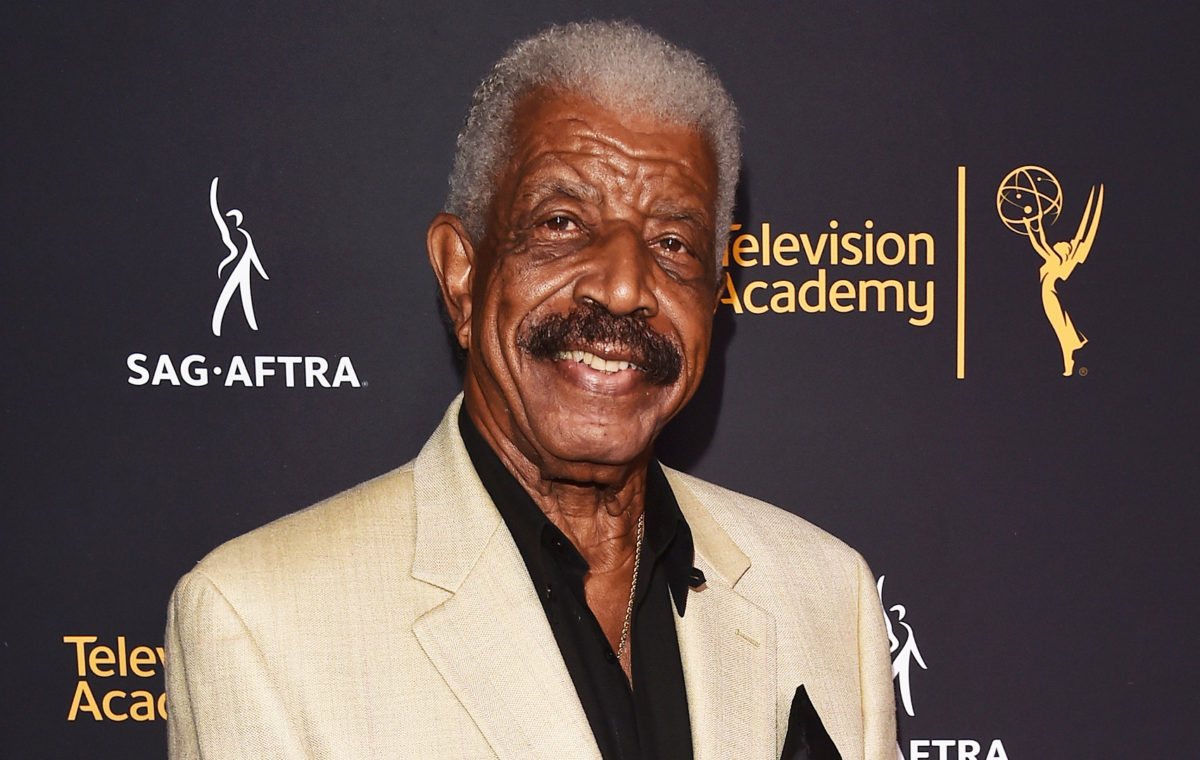
Hal Williams holds a respected place in the history of Black television, even if his name is not always spoken as loudly as those he helped elevate. Born Harold Williams in Columbus, Ohio, in 1938, he emerged during a period when opportunities for Black actors were limited, stereotyped, and often fleeting. Through talent, timing, and quiet consistency, Williams carved out a career that helped normalize Black presence on American television screens.
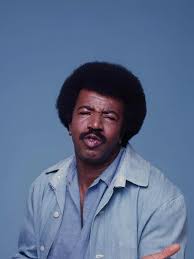
Williams first gained national recognition in the 1970s, a transformative era for Black sitcoms. His breakout role came on Sanford and Son, where he portrayed Smith, the smooth-talking, hustling friend whose comedic timing and streetwise charm fit seamlessly into the show’s groundbreaking portrayal of working-class Black life. At a time when Black characters were rarely allowed nuance or humor rooted in authenticity, Williams brought warmth and relatability that resonated deeply with audiences.
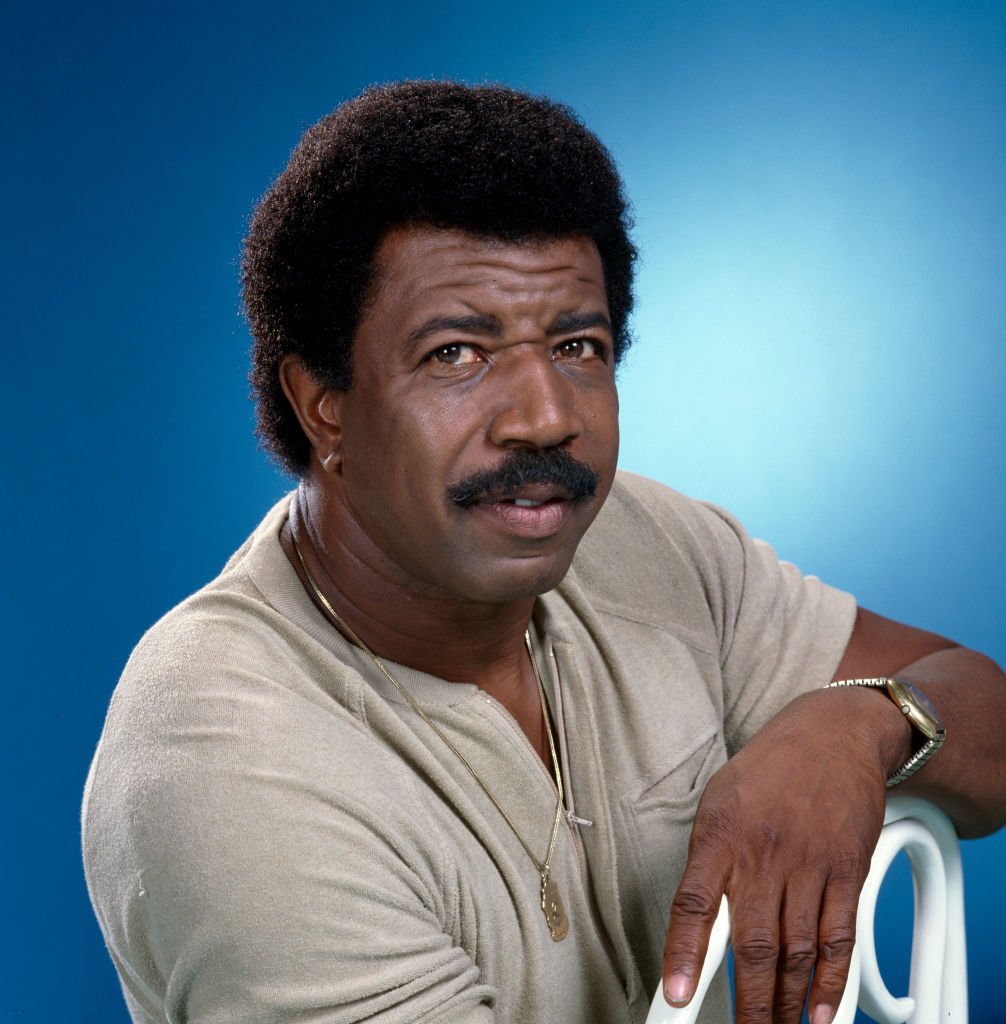
His most enduring role came in the 1980s on 227, where he played Lester Jenkins, the good-hearted but often hapless husband to Marla Gibbs’ sharp-tongued Mary Jenkins. The dynamic between the two characters became one of the show’s emotional anchors, balancing comedy with realism. Williams’ portrayal of Lester was notable for its humanity; he played a Black husband who was flawed but loving, imperfect yet present, offering a counter-narrative to damaging stereotypes that had long dominated television.
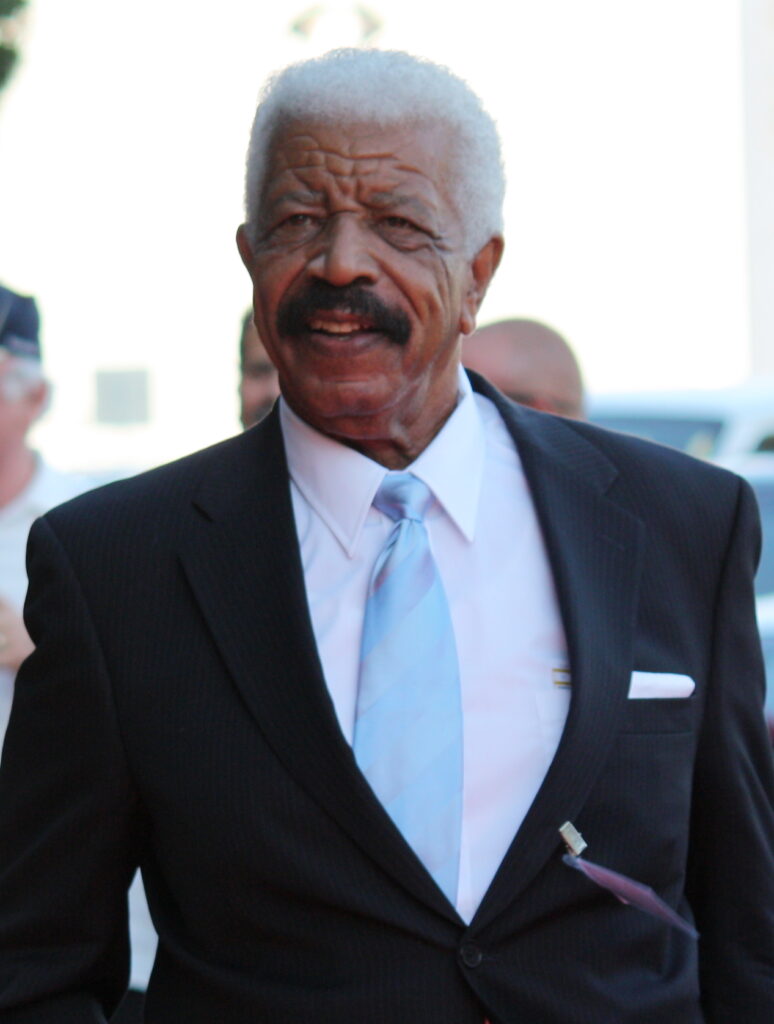
Beyond his on-screen performances, Williams’ career reflected a larger shift in American entertainment. He was part of a generation of Black actors who expanded the range of roles available to those who followed, helping move Black television beyond caricature toward fuller representation. His work contributed to an era where Black families, relationships, and everyday struggles were finally being treated as worthy of mainstream storytelling.
Though Williams never chased celebrity in the modern sense, his influence is quietly embedded in the fabric of Black television history. Actors and creators who benefited from the doors opened in the 1970s and 1980s owe much to performers like Williams, who proved that consistency and professionalism could sustain long-term careers even in a restrictive industry.
Hal Williams passed away in 2024, leaving behind a body of work that continues to live on through reruns, streaming platforms, and cultural memory. His legacy is not defined by loud accolades but by impact, the kind that endures because it helped shape how Black life was seen, respected, and celebrated on American television.