How Diddy Became a Gatekeeper in Hip-Hop and Why So Many Male Stars Passed Through His Orbit

Share
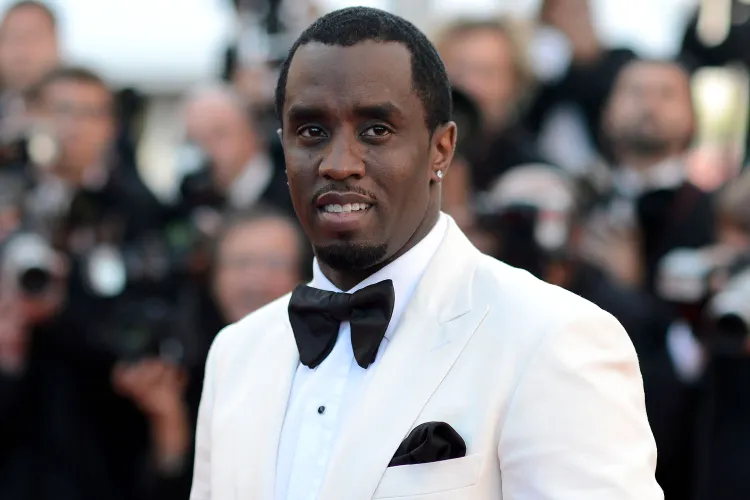
For more than three decades, Sean “Diddy” Combs occupied a rare position in hip-hop: not just as an artist or producer, but as a cultural gatekeeper whose approval, access, and endorsement could dramatically accelerate a career. While claims that “everyone had to go through Diddy” are often overstated online, industry history shows how Combs’ control of platforms, relationships, and resources placed him at the center of male celebrity pipelines in music, fashion, and entertainment.
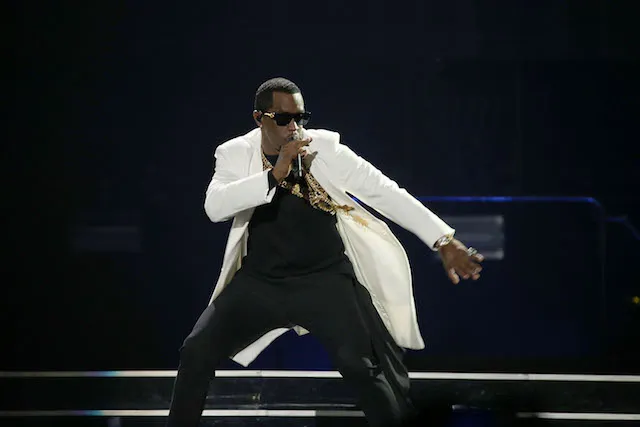
Diddy’s gatekeeping power did not come from a single role. It came from stacked influence, the ability to operate simultaneously as a label executive, hitmaker, marketer, fashion mogul, nightlife power broker, and cultural tastemaker at a time when hip-hop was becoming mainstream America’s dominant sound.
In the 1990s, Bad Boy Records was one of the most powerful labels in the industry. Artists who passed through Diddy’s ecosystem, whether signed, featured, produced, or associated, gained immediate visibility. Radio programmers, MTV executives, fashion houses, and advertisers watched what Bad Boy touched. Being seen next to Diddy often signaled legitimacy.
Unlike many executives, Combs blurred the line between business and celebrity. He wasn’t hidden behind the scenes, he was in the videos, on the stage, at award shows, and in magazines. That visibility made him a connector. Young male artists, athletes, and entertainers gravitated toward his orbit because proximity itself created opportunity.
Diddy also mastered access culture. His parties, events, and private gatherings became networking hubs where executives, artists, athletes, and media figures crossed paths. In an era before social media, these spaces mattered. Being invited, or excluded, could determine who got deals, coverage, or introductions.
Importantly, Diddy did not control all male celebrities, nor was his influence absolute. Many stars rose independently or through other power centers. However, for a long stretch of time, he was one of the few Black executives with direct access to white-controlled capital, media, and global brands, making him a bridge between underground talent and mainstream success.
Industry veterans note that gatekeeping was not unique to Diddy, it was a structural reality of entertainment. Every era has power brokers. What made Combs different was his ability to consolidate power across multiple lanes at once: music, fashion, nightlife, spirits, and media. That convergence created the perception, and sometimes the reality, that passing through his ecosystem was the fastest route upward.
In recent years, the idea of Diddy as a gatekeeper has been re-examined through a more critical lens, especially as conversations about power, accountability, and transparency reshape the entertainment industry. Social media has also weakened traditional gatekeeping, allowing artists to build careers without centralized approval.
Still, historians of hip-hop argue that Diddy’s rise offers a case study in how influence works when access is scarce and representation at the executive level is limited. His dominance reflected both personal ambition and an industry structure that concentrated power in very few hands.
Today, as that structure continues to change, Diddy’s legacy as a gatekeeper remains a subject of debate, less about control, and more about how proximity to power once functioned as currency in Black entertainment.