

How Black America Rebuilt Itself After 400 Years of Trauma, and Still Created the Culture

Share
For more than four centuries, Black Americans have endured one of the longest, most sustained systems of oppression in world history, slavery, Jim Crow, lynching, mass incarceration, economic exclusion, medical discrimination, housing segregation, and cultural theft. And yet, out of this trauma rose a global cultural powerhouse. Black America not only survived, Black America rebuilt, redefined, and reshaped the nation itself.
This story is not just about suffering. It’s about the brilliance, innovation, strategy, and resilience that turned pain into power and made Black culture the heartbeat of America.
The Trauma That Tried to Kill a People
Slavery attempted to strip identity, family, language, dignity, and autonomy. After emancipation, new systems took its place, Black Codes, convict leasing, and the birth of a racist economy designed to keep Black progress stagnant. Reconstruction offered hope, only for white backlash to violently dismantle political gains.
Jim Crow then reinforced second-class citizenship for nearly 100 years. Black life became a target of systemic violence, from Rosewood to Tulsa to countless towns wiped off the map.
Even in the 20th century, redlining, discriminatory lending, exclusion from GI Bill housing benefits, school segregation, and job discrimination tried to limit Black futures. The War on Drugs and over-policing added a new layer of trauma, destroying families and communities, yet never breaking the will to rise.
And still, Black America rebuilt.
Rebuilding Through Culture: The Rise of a Collective Identity
Despite every barrier, Black communities forged a powerful cultural identity that the world now imitates.
- Spirituals became gospel, then blues, jazz, R&B, and hip-hop.
- African oral traditions evolved into poetry, storytelling, and the foundation of modern American literature.
- Black style, rhythm, and resistance became the blueprint for global fashion and youth culture.
What was meant to be erased instead became impossible to ignore.
From Duke Ellington to Michael Jackson, from Toni Morrison to Beyoncé, from Muhammad Ali to Serena Williams, Black excellence became a global standard—even as institutions continued to resist equality.
Rebuilding Through Community: The Birth of Black Institutions
Black Americans understood early that no one would save them, so they built their own systems of survival and advancement:
1. Black Churches
More than religious centers, they became strategic headquarters for movements, education, and political organizing.
2. Black Colleges (HBCUs)
Schools like Howard, Morehouse, Spelman, Tuskegee, and Hampton produced generations of doctors, engineers, lawyers, activists, and leaders, despite being excluded from white institutions.
3. Black Wall Streets
Greenwood in Tulsa was not alone. Cities like Durham, Richmond, Chicago, and Washington, D.C. had thriving Black economies built from nothing, proving that self-sufficiency was always possible, until white mobs and racist policies destroyed them.
4. Mutual Aid Networks
Long before social services existed, Black people created systems for health care, education, funeral costs, and business funding. These networks kept communities alive when the government ignored them.
Rebuilding Through Resistance: From Abolition to Modern Movements
Every generation fought its own battle:
- Enslaved Africans resisted through rebellions, escapes, and sabotage.
- Frederick Douglass, Harriet Tubman, Ida B. Wells, and thousands of unnamed heroes kept the fight alive.
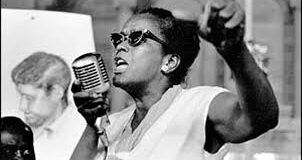
- Civil rights leaders, from Ella Baker to MLK to Malcolm X, reshaped the nation through strategy and sacrifice.
- Black Panthers built free breakfast programs and community health clinics that still influence policy today.
- Modern movements continue the push for justice, representation, and equality through activism, technology, and global organizing.
Progress never came from being quiet, it came from refusing to disappear.
Rebuilding Through Innovation: The Black Creative Engine
Black Americans turned limited access into unmatched innovation:
- Inventors like Garrett Morgan, Lewis Latimer, and Patricia Bath transformed daily life.
- Entrepreneurs built billion-dollar brands with little access to capital.
- Athletes turned sports into platforms for political power.
- Tech innovators are redefining AI, space exploration, and digital culture.
Every field touched by Black hands has been changed forever.
The Culture America Tries to Consume Without Understanding the Struggle
Black music, slang, fashion, art, and style dominate global culture. What is considered “cool” or “trending” almost always comes from Black creativity.
Yet this cultural power exists alongside:
- wealth inequality
- discriminatory medical outcomes
- over-policing
- school underfunding
- unequal access to capital
Black America shaped the nation, but still fights for a fair share of what it helped create.
The Future: From Survival to Prosperity
Four centuries of trauma did not stop Black excellence, and the next century will be defined by:
- rising Black entrepreneurship
- a new wave of tech founders
- a return to land ownership and farming
- digital media empowerment
- global collaborations with Africa and the diaspora
- new political influence built on demographic shifts
Black America is no longer just rebuilding, it is rewriting the future.
Conclusion: The Greatest Story of Resilience in American History
Black America rebuilt itself not once, but over and over again. Through oppression, violence, and systematic attempts at erasure, Black people created:
- the sound of America
- the style of America
- the athletic legacy of America
- the political conscience of America
- the economic blueprint for collective uplift
If this is what happened under four centuries of trauma, imagine what is possible with real freedom, real access, and real investment.
The story is not finished, but the foundation is unbreakable.