


Nigeria: A Failed State Ruled by Terrorist Sympathizers

Share
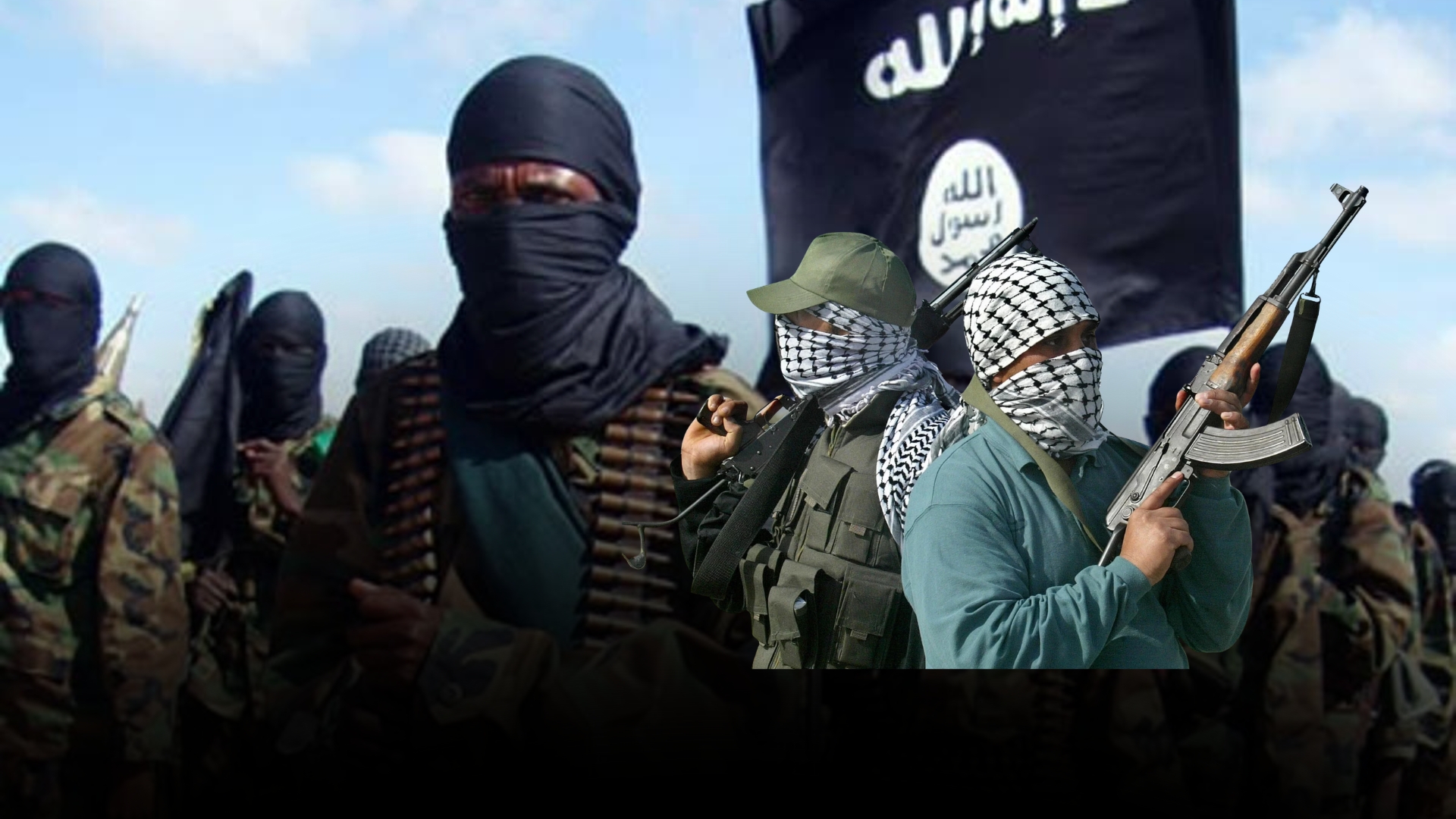
Nigeria today stands at a crossroads, but not the kind of turning point that promises renewal. Instead, the country teeters under the weight of systemic corruption, political complicity in terrorism, unaccountable elites, and deep-seated tribalism. The evidence is overwhelming: Nigeria is failing its citizens, its institutions, and its future.
1. Insecurity Is Not Just a Crisis, It’s the System
Every day in parts of Nigeria, terrorists and bandits run rampant. Groups like Boko Haram, ISWAP, and notorious bandit networks continue to seize territory, abduct schoolchildren, and kill civilians. Even recent military operations falter amid rampant corruption: some local officials embezzle funds meant for security, while the military remains poorly trained and ill-equipped.
Instead of dismantling these terror networks, elements within the political elite are accused of financing them, or at least turning a blind eye to their activities. The Nigerian Financial Intelligence Unit (NFIU) uncovered nearly 96 terror financiers, creating serious questions about whether Nigeria’s state institutions are directly or indirectly complicit in sustaining terrorism.
2. Institutional Decay: Captured State, Corrupt Elites
The foundation of any functioning state is trust, trust in institutions, law enforcement, and governance. But in Nigeria, that trust is broken. Powerful political “godfathers” control state machinery, sponsor violence, and operate above the law. The government fails to prosecute them, allowing a culture of impunity to thrive.
Former President Obasanjo himself has warned of “state capture”: government institutions are hollowed out, leaving them unable to deliver basic services like security, education, and infrastructure. Nigeria’s institutional rot isn’t a bug, it’s the feature of a system built to enrich a few while neglecting the many.
3. Terror Funding and Political Complicity
The line between terrorism and politics is dangerously blurred in Nigeria. Rather than confronting insurgency, some political actors appear to sympathize with or even sponsor terror groups. Reports suggest political elites divert counterterrorism funds into private pockets.
The result? A vicious cycle: weak governance allows terrorism to flourish, and terrorism becomes a tool in the hands of the very politicians supposed to stop it.
4. Marginalization, Tribalism & Disunity
Nigeria’s politics remains deeply tribal and regional. Many analysts argue that northern elites, in particular, exploit ethnic and religious divides to maintain power. Instead of investing in equitable development, these elites marginalize large swaths of the country, fueling resentment, frustration, and a sense of exclusion. Economic wealth abounds, yet most Nigerians live in poverty, with little to no access to reliable infrastructure.
This is not a failing state in spite of its diversity, it’s a failing state because of how its diversity has been manipulated.
5. Terrorism Is Too Profitable to End
Look at the tragedy in Zamfara State. In early 2022, over 200 people were massacred by bandits. Such violence is no accident, it’s a lucrative business. Insecurity fuels a shadow economy: ransom payments, illicit mining, and trafficking become lifelines for militants. Politicians, who should be fighting these groups, are instead accused of feeding the beast.
6. Mismanagement of National Resources & Corruption
Nigeria is immensely rich, yet its people remain poor. The country’s security budget is astronomical, yet terrorists still overwhelm military outposts. How? Because funds meant to secure the country disappear into phantom contracts, ghost soldiers, and fake procurement deals. The state’s basic function, to protect its citizens, is reduced to a transactional game for the elite.
7. Weak Public Services & Governance Vacuum
In many parts of Nigeria, public infrastructure is collapsing: schools, hospitals, roads, and electricity are chronically underfunded or don’t exist. This institutional vacuum breeds desperation, and desperate people become easy prey for extremist groups who promise “order” and “protection.”
8. Governance Crisis Feeding Terrorism
When state institutions falter, terrorists become de facto governors in some regions: offering protection, handouts, and brutal “justice.” Instead of seeing jihadism only as an external threat, one must recognize how terrorism has become a parallel power structure, partly because the state allows or enables it.
Nigeria Is No Longer Just Fragile, It’s Failing
Nigeria’s problem isn’t just insecurity or corruption, it’s that its very institutions have surrendered. Its leaders prioritize personal enrichment over public service. Its security apparatus, funded by billions, is hollow. Its elites tolerate, finance, or sponsor extremists. Its people pay the price with their safety, dignity, and lives.
When a country can’t protect its own citizens, when violence is more reliable than the government, and when terror becomes intertwined with politics, that’s not just failure. That is a failed state.