


U.S. Mint Stops Making Pennies After Presidential Directive Ends One-Cent Coin Production

Share
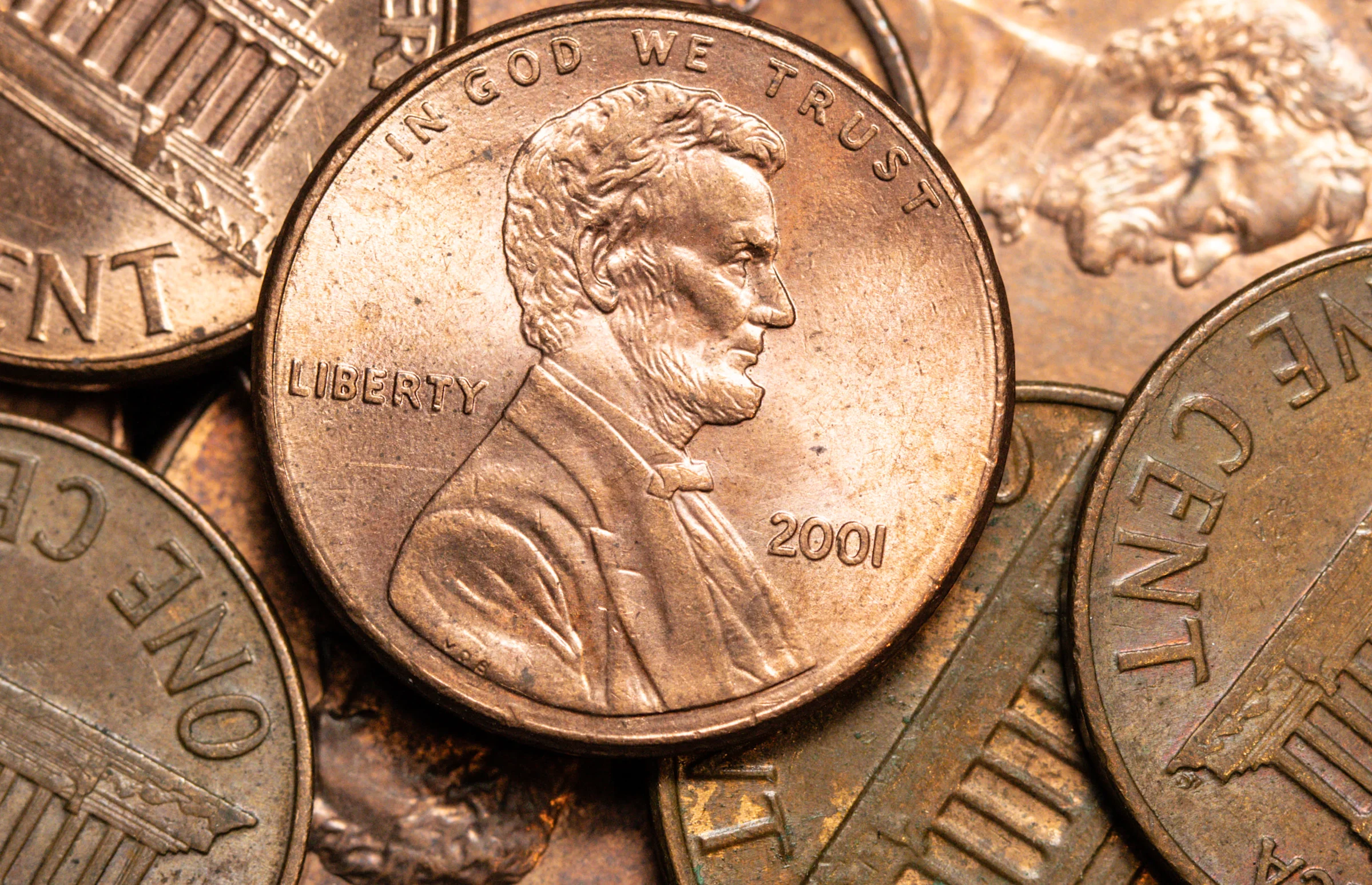
The U.S. Mint has officially stopped producing pennies, marking the end of an era for America’s smallest coin. The final batch of circulating one-cent coins was struck on Wednesday at the Philadelphia Mint, following a directive from President Donald Trump to halt penny production nationwide.
The decision comes after years of debate over the cost and practicality of the coin. According to Treasury reports, each penny costs more than two cents to produce and distribute, meaning taxpayers have been losing millions annually just to keep the coin in circulation.
President Trump’s directive, issued last month, instructed the Treasury Department and the Mint to phase out the penny “in the interest of fiscal responsibility and modernization.” In a brief statement, the President said,
“The penny has served our nation well, but it no longer makes financial sense to continue producing a coin that costs more to make than it’s worth.”
Mint Director Ventris C. Gibson confirmed that the last run of pennies will be stored for historical and collector purposes, while existing coins will remain legal tender indefinitely.
Economists and policymakers have long debated whether eliminating the penny would affect prices or transactions. Most experts agree that rounding to the nearest five cents in cash transactions would have minimal economic impact. Digital payments, now dominant across the U.S., have made small-denomination coins less relevant to everyday commerce.
Public reaction has been mixed. Many Americans see the penny as a nostalgic symbol, bearing Abraham Lincoln’s image since 1909, while others have argued that its elimination is long overdue. The coin’s copper-colored design, which has remained largely unchanged for decades, will now become a collector’s item and a piece of monetary history.
With the penny gone, attention now turns to whether the nickel could face a similar fate. Like the penny, the nickel also costs more to produce than its face value, sparking calls for further modernization of U.S. coinage.
The U.S. Mint emphasized that it will continue to produce other circulating coins and collectible items, with a renewed focus on efficiency and technological innovation in currency manufacturing.