


Senate to Vote on Bipartisan Bill Blocking President Trump from Military Action in Venezuela

Share
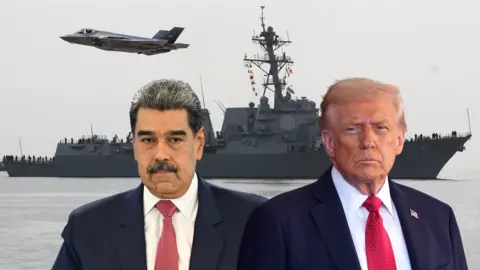
In a rare show of bipartisan resistance, the U.S. Senate is set to vote on a measure that would block President Donald Trump from taking military action against Venezuelan territory without congressional approval, a move that underscores growing unease over potential U.S. intervention in Latin America.
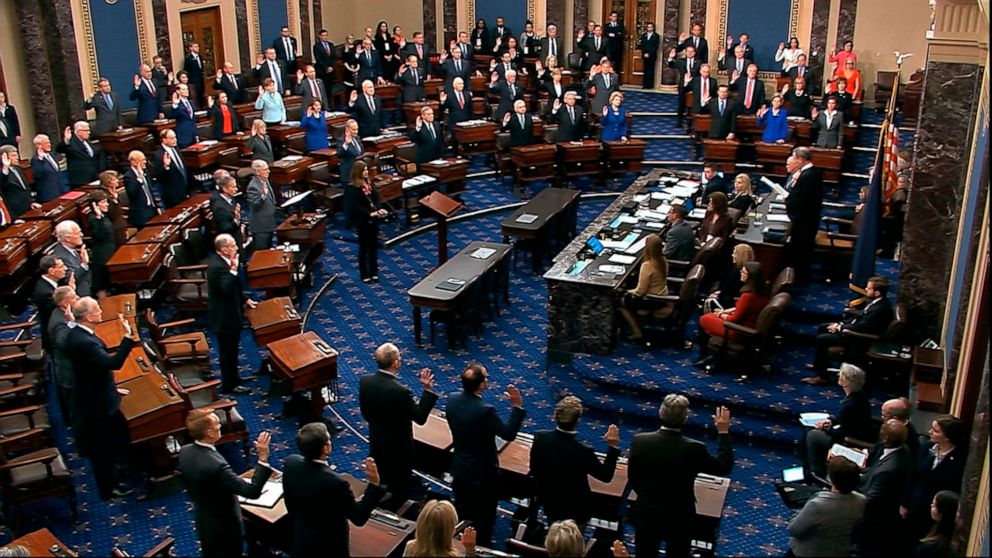
The legislation, co-sponsored by lawmakers from both parties, is being described as a direct test of congressional authority and of the Republican Party’s willingness to curb the president’s power to unilaterally deploy military force.
While the White House has not publicly indicated plans for imminent action in Venezuela, administration officials have maintained that “all options remain on the table” as the U.S. continues to apply economic and political pressure on the government in Caracas.
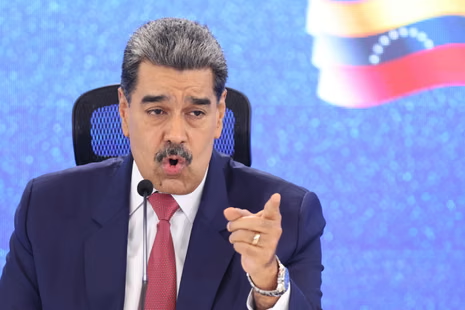
Senators from both sides of the aisle say the bill is necessary to reaffirm Congress’s constitutional role in authorizing war. “The American people are tired of endless wars and unauthorized interventions,” said one Democratic sponsor. “We must ensure that the president cannot engage militarily without congressional consent.”
Several Republicans have signaled support, marking a potential fracture within the party as it faces renewed debates over executive power. “We stand with the Venezuelan people,” one GOP senator said, “but we must stand with the Constitution, too.”
The vote represents the latest clash between Trump and Congress over foreign policy. It follows similar bipartisan pushback during his first term regarding U.S. involvement in Syria, Yemen, and Iran.
Political analysts say the measure could also shape the ongoing discussion about America’s role in Latin America, where decades of interventionism have left deep political scars. “This isn’t just about Venezuela,” noted one foreign policy expert. “It’s about whether Congress will finally reclaim its war powers after years of executive overreach.”
As the Senate prepares for the vote, the outcome may signal how far lawmakers, particularly Republicans, are willing to go to assert checks on presidential power in matters of war and peace.