

Medgar Evers: The Relentless Fighter Who Dared to Challenge Segregation in Mississippi

Share
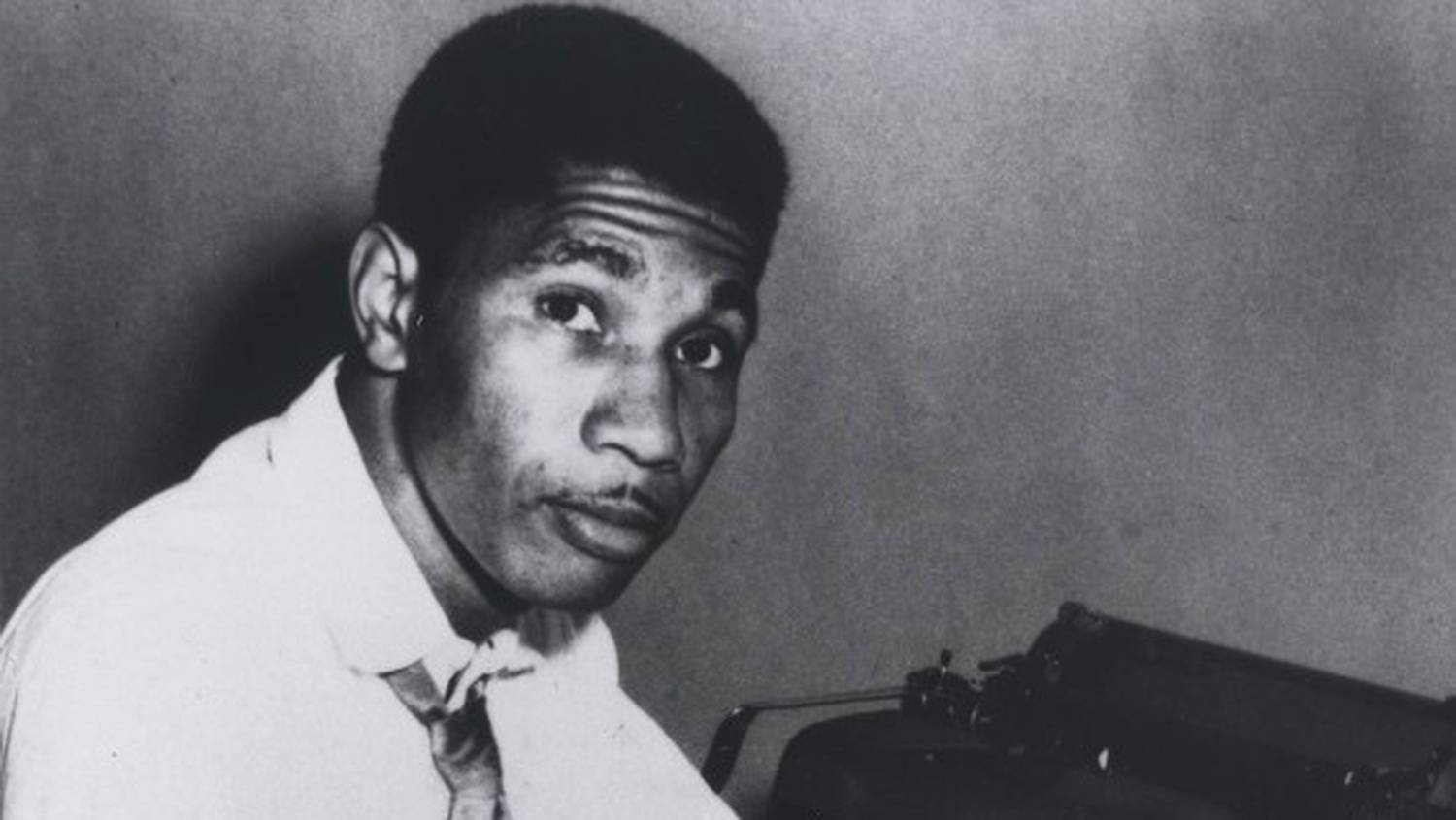
Medgar Evers remains one of the most courageous figures in America’s struggle for civil rights, a man whose unyielding commitment to justice helped lay the foundation for change in the Jim Crow South.
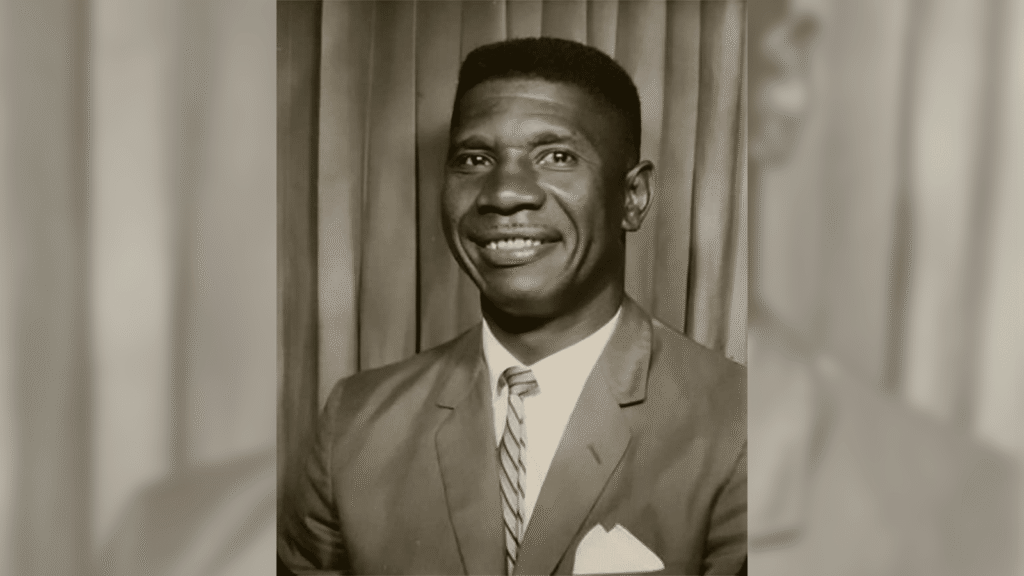
Born in 1925 in Decatur, Mississippi, Evers grew up in a time when racism was entrenched in every corner of Southern life. After serving honorably in World War II, he returned home determined to fight for the rights that he and other Black soldiers had risked their lives defending overseas.
In 1954, Evers became the NAACP’s first field secretary in Mississippi, a position that placed him at the center of some of the most dangerous and pivotal moments in the civil rights movement. He investigated racial violence, organized voter registration drives, and led boycotts aimed at ending segregation in schools, public spaces, and businesses.
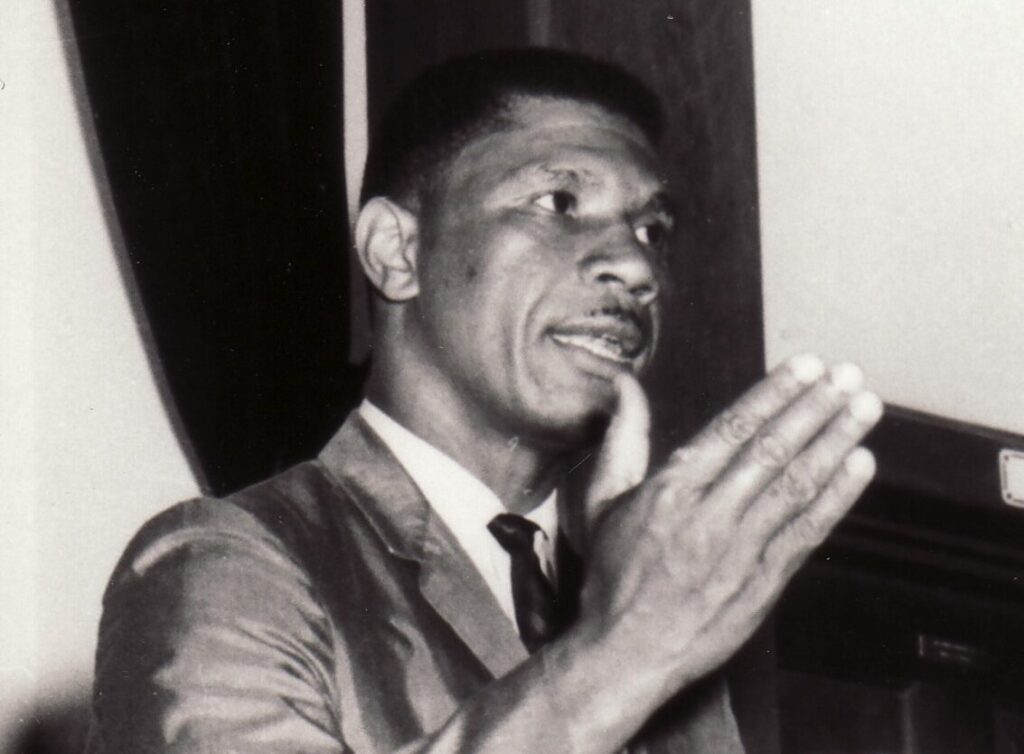
His most notable work came as he helped challenge the University of Mississippi’s policy of racial exclusion. His advocacy paved the way for James Meredith’s historic enrollment as the first Black student at the institution in 1962, a turning point that enraged segregationists across the South.
Tragically, Evers’s tireless efforts made him a target. On June 12, 1963, just hours after President John F. Kennedy’s televised address supporting civil rights, Evers was assassinated outside his home in Jackson, Mississippi, by a white supremacist. His death shocked the nation and became a rallying cry for the movement he had fought to advance.
oday, Medgar Evers is remembered not only as a leader but as a symbol of sacrifice and courage. His legacy endures through the institutions and movements that continue to pursue the equality he gave his life for, including Medgar Evers College in Brooklyn, New York, named in his honor.
Evers’s story reminds America that progress has always come through persistence, bravery, and the willingness to stand up to injustice, even in the face of deadly opposition.